The Hidden Disadvantages of Solar Street Lights: What You Need to Know Before Investing
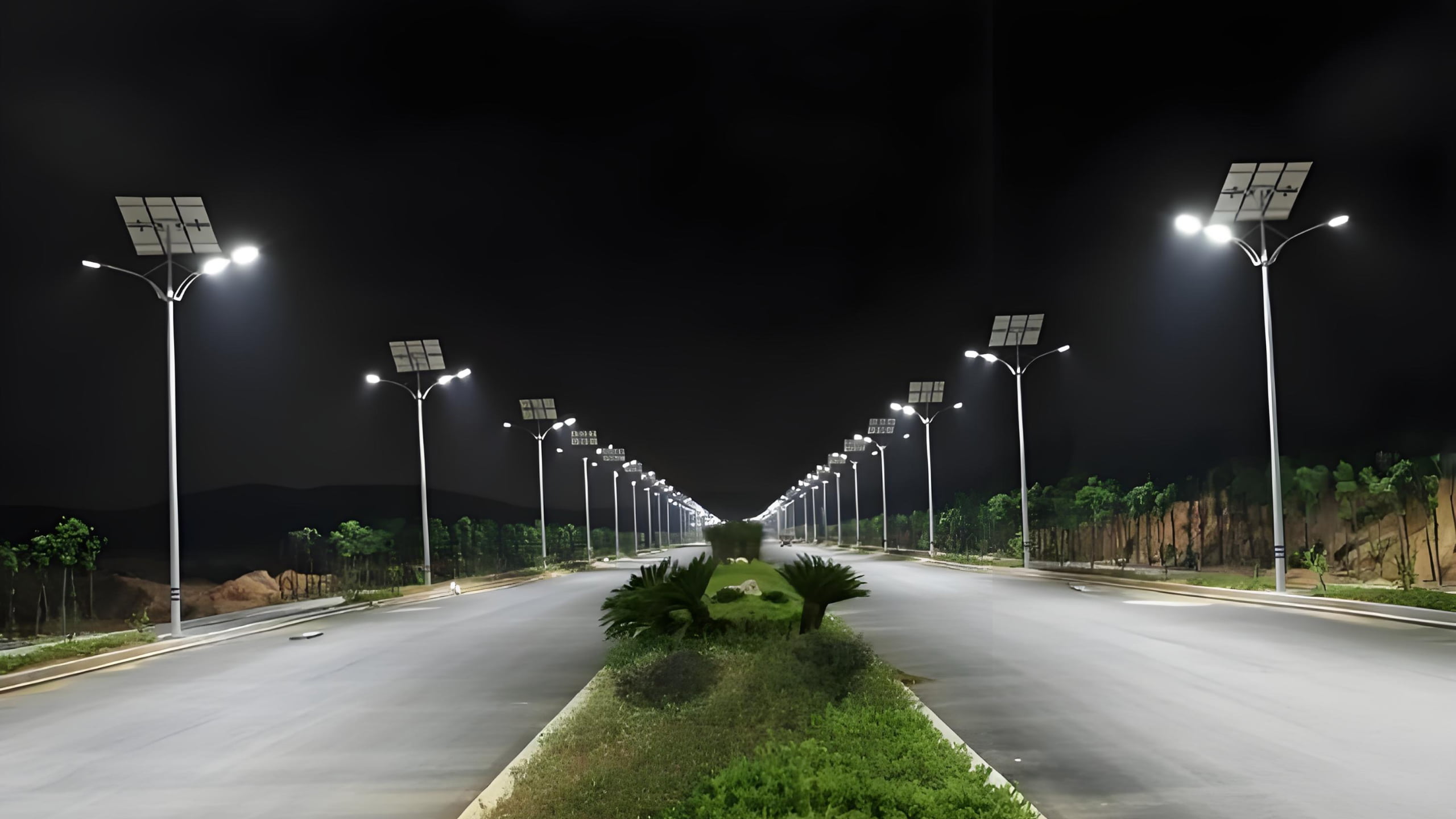
Solar street lights promise clean, sustainable illumination, but many users face unexpected challenges after installation. Poor weather performance, high costs, and maintenance issues can derail your lighting project—even in regions with abundant sunshine. These drawbacks often emerge months or years after installation, catching project managers off guard and leading to budget overruns or reduced functionality.
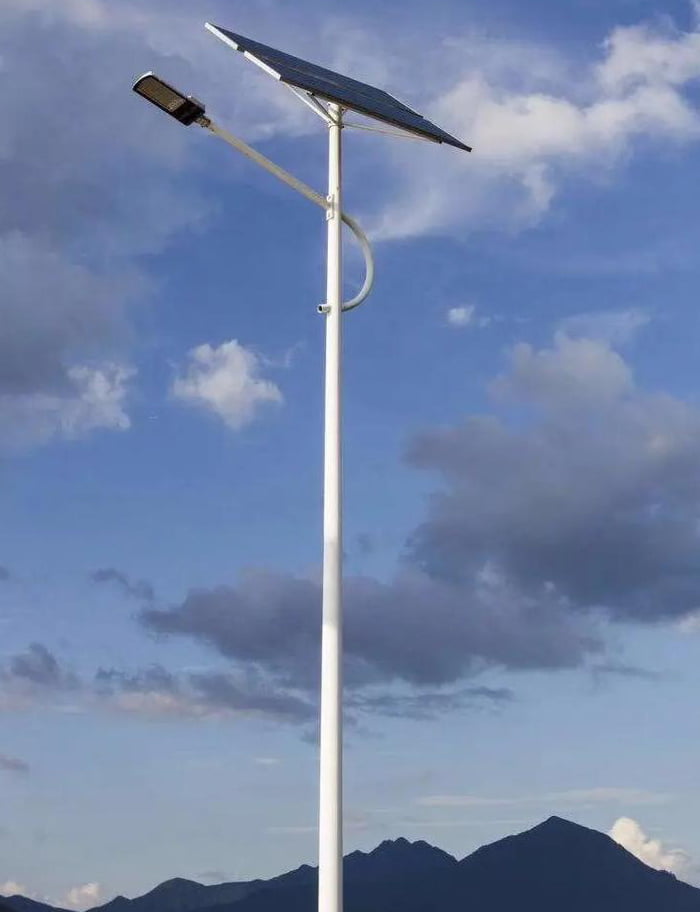
Solar street lights have several significant disadvantages including reduced performance during cloudy or rainy days, high initial investment costs, battery replacement expenses every 3-5 years, and maintenance difficulties especially in remote installations where accessing components requires specialized knowledge. Recognizing these limitations early helps set realistic expectations and ensures your project is designed to mitigate potential issues.
I've installed hundreds of solar lighting systems across different regions—from arid deserts to rainy coastal areas—and while they offer fantastic benefits (like zero electricity bills and reduced carbon footprints), understanding their limitations is crucial before making an investment. Many clients initially focus only on the environmental and long-term cost savings, overlooking the practical challenges that can impact day-to-day performance. Let's examine these disadvantages in detail, drawing on real-world experience to help you make informed decisions.
One often-overlooked aspect is the gap between manufacturer claims and real-world performance. For example, a solar light advertised to "operate for 7 days without sunlight" may only last 3-4 days in actual use, especially if the battery is not properly sized or the panel is shaded by trees or buildings. This discrepancy can lead to unexpected downtime, particularly in regions with unpredictable weather patterns. By addressing these limitations proactively—such as oversizing batteries or choosing adjustable-panel designs—you can minimize disruptions and ensure your solar lighting system meets your needs.
Performance Limitations of Solar Street Lights Under Adverse Weather Conditions
Solar street lights depend entirely on sunlight for power, making their reliability inherently tied to weather conditions. This creates significant challenges for consistent lighting in regions with frequent cloud cover, rain, snow, or short winter days—limitations that are often downplayed in marketing materials.
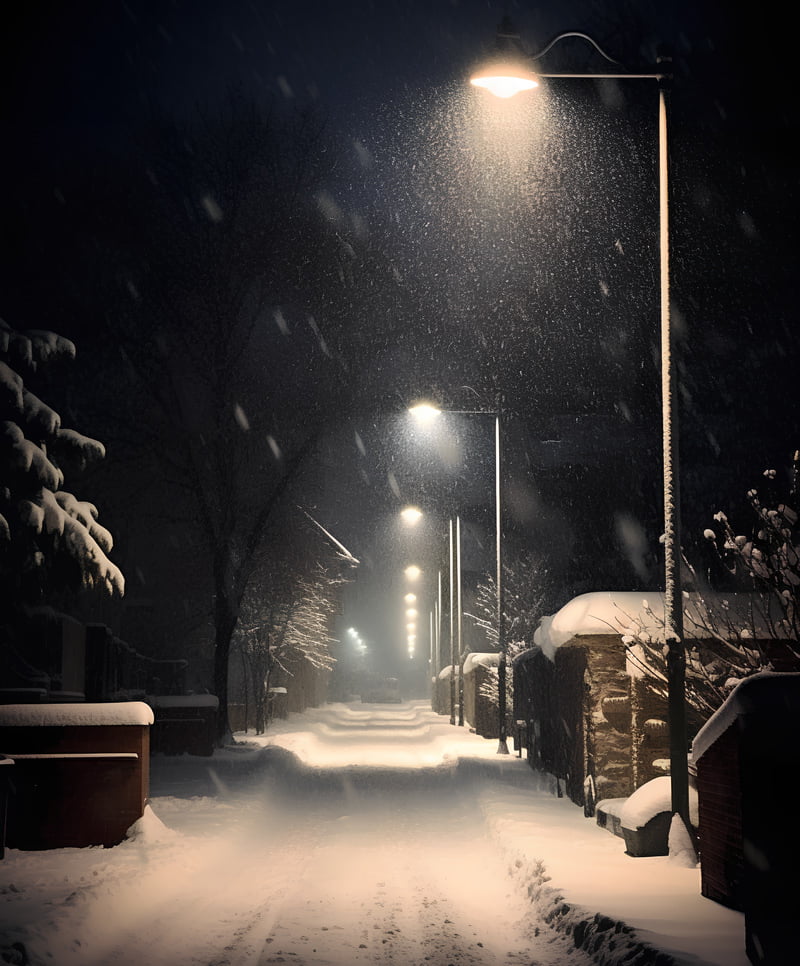
During cloudy or rainy days, solar panels generate significantly less electricity, reducing the overall performance of the lighting system. Many solar street lights struggle to maintain full brightness during extended periods of adverse weather, often reducing output (dimming to 30-50% brightness) or shortening operation time (turning off 2-3 hours earlier) to conserve energy. In extreme cases—like a week of continuous rain—some systems may shut down completely, leaving areas in darkness until sunshine returns.
In my experience installing solar lighting across different climate zones—from the rainy Pacific Northwest to the snowy Northeast—I've observed how weather directly impacts performance. The fixed angle of integrated solar lights (especially all-in-one models) exacerbates this issue, as panels cannot be optimized for maximum sun exposure. With many integrated fixtures limited to approximately 15° tilt angles, charging efficiency can be reduced by 30-50% compared to optimally positioned panels (set to 30-45° angles in mid-latitude regions). This means even on partially cloudy days, the system may not collect enough energy to power the light through the night [1][2].
Road orientation further compounds this problem. When roads run north-south, the panels on solar lights must face either east or west (to align with the road) rather than the optimal southerly direction (in the northern hemisphere). This misalignment can reduce daily energy collection by another 20-30%, making the system even more vulnerable to cloudy weather [2]. During consecutive cloudy days, systems designed without adequate energy reserves (e.g., undersized batteries) often fail to provide consistent illumination—forcing communities to rely on backup lighting or accept reduced safety after dark.
Snow and dust present additional challenges. A layer of snow on solar panels can block nearly 100% of sunlight, stopping energy collection entirely until the snow melts or is removed. In dusty regions (like parts of the Southwest U.S. or Central Asia), dust accumulation on panels can reduce efficiency by 15-25% over just a few weeks—requiring frequent cleaning to maintain performance. For remote areas with limited maintenance resources, this can lead to prolonged periods of reduced lighting functionality.
High Initial Investment as a Major Barrier to Solar Street Light Popularization
The upfront cost of solar lighting systems remains one of the biggest barriers to widespread adoption, even though they eliminate monthly electricity bills. For budget-constrained municipalities, schools, or communities, this initial expense can make solar a non-starter—despite long-term savings.
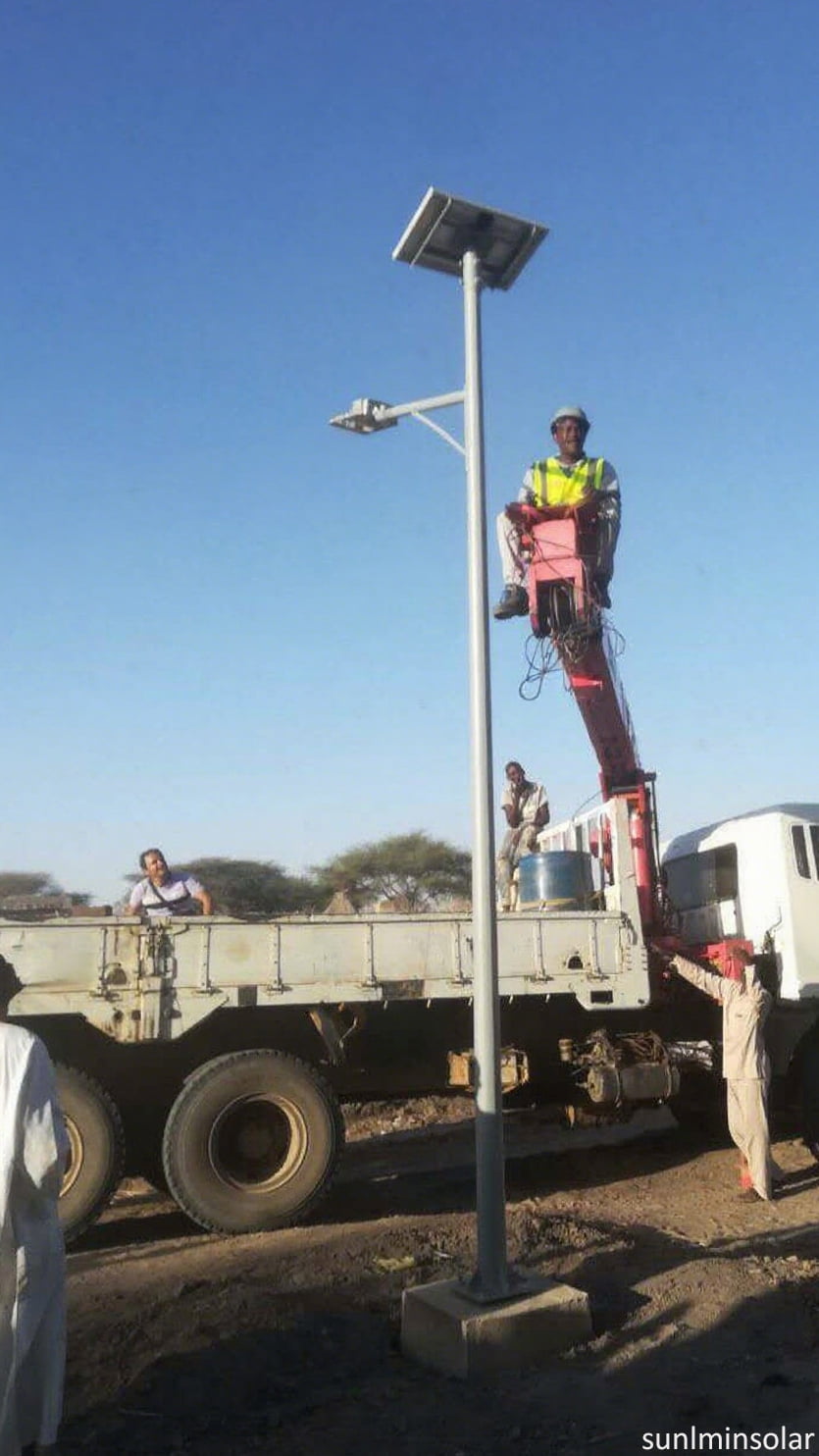
While solar street lights eliminate electricity bills (which can save $50-$150 per light per year), their initial purchase and installation costs significantly exceed traditional grid-connected lighting. A high-quality solar street light typically costs $300-$800 per unit, compared to $100-$200 for a traditional street light. High-quality components—especially lithium-ion batteries and monocrystalline solar panels—represent the largest portion of this investment, making budget constraints a common obstacle to choosing renewable lighting options.
When I first started recommending solar solutions to small-town municipalities, their initial reaction was often shock at the upfront price. A town looking to install 50 street lights might face a $25,000-$40,000 bill for solar, compared to $5,000-$10,000 for traditional lights. Even with long-term savings, the payback period (typically 5-8 years) can be difficult to justify for governments with short-term budget cycles or pressing needs like road repairs or school funding.
Despite integrated designs (like all-in-one solar lights) saving some material and installation costs, market prices for these units remain high—sometimes even exceeding split-system options with similar specifications [1]. This is partly due to the specialized engineering required to fit all components (panel, battery, controller, LED) into a single compact housing, as well as the premium for "plug-and-play" convenience. For projects with tight budgets, this often leads to a difficult tradeoff: choose a cheaper, lower-quality solar system (which may fail prematurely) or stick with traditional lighting (which incurs ongoing electricity costs).
Financing options can help bridge this gap, but they’re not always accessible—especially for rural or developing regions. Many banks view solar street lights as a "non-essential" infrastructure investment, making loans harder to secure. Grants from environmental organizations or government programs exist but are often competitive and come with strict requirements (like mandatory local hiring or specific performance metrics). This lack of accessible financing keeps solar lighting out of reach for many communities that could benefit most from its sustainability and cost-saving advantages.
Short Battery Lifespan and High Replacement Costs for Solar Street Lights
Battery replacement is the most predictable and significant recurring expense in solar lighting systems—an often-underestimated cost that can erode long-term savings. Unlike LEDs (which last 50,000+ hours) or solar panels (which last 20+ years), batteries degrade relatively quickly, requiring replacement every few years.
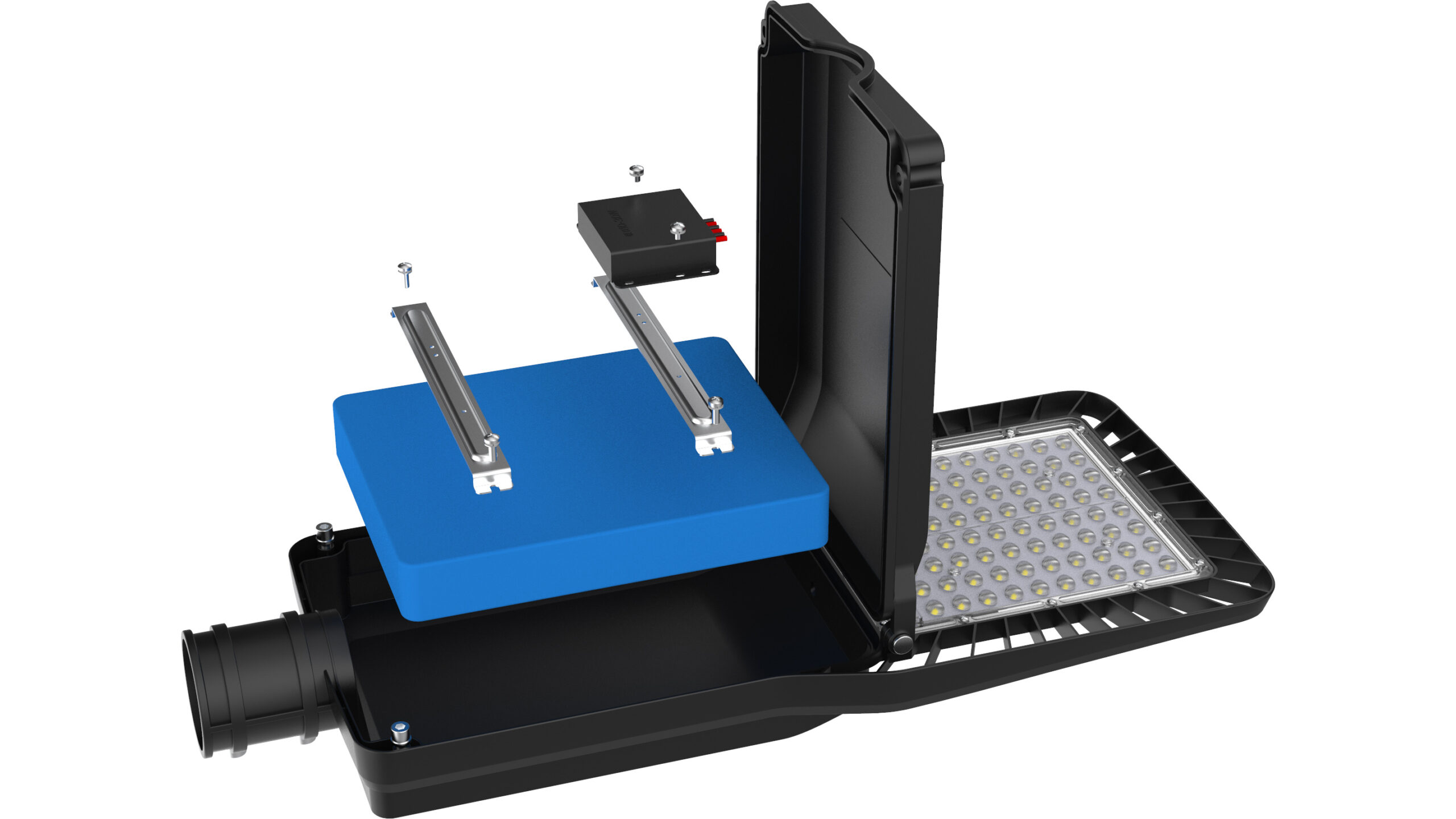
Solar street light batteries typically need replacement every 3-5 years for lead-acid/gel types or 8-15 years for lithium-ion batteries, representing a major maintenance expense. For a 50-light project, this means $2,500-$5,000 in replacement costs every 3-5 years (for lead-acid) or $4,000-$8,000 every 8-15 years (for lithium). This replacement cost significantly affects the total lifetime expense of solar lighting systems, especially in integrated designs where accessing the battery compartment requires removing the entire fixture—adding labor costs to the replacement bill.
In my maintenance work, battery replacement consistently represents the largest recurring expense for clients. I once worked with a school district that installed 30 budget solar lights with lead-acid batteries—only to face a $3,000 replacement bill just 3 years later. The district hadn’t planned for this cost, forcing them to divert funds from classroom supplies to keep the lights working. This experience highlights why it’s critical to factor battery lifespan and replacement costs into your initial budget and long-term planning.
The integrated nature of many modern solar lights exacerbates this issue. In split-system designs, you can replace a battery by accessing a ground-mounted box or a small compartment on the pole—no need to take down the entire light. But with all-in-one solar lights, the battery is sealed inside the main fixture, which is often mounted 6-12 meters high. This means replacing the battery requires a lift truck or scaffolding, doubling or tripling labor costs compared to split systems [1]. Some manufacturers have addressed this by designing all-in-one units with removable battery hatches, but these are often limited to higher-end models—adding to the initial cost.
Battery performance varies significantly by type and environmental conditions. Traditional gel or sealed lead-acid (SLA) batteries offer approximately 300 charge cycles at a 70% discharge depth, meaning they start to degrade after 3-5 years of regular use. Lithium-ion batteries (like LiFePO4) provide around 1,000 cycles at a 90-100% discharge depth, extending their lifespan to 8-15 years—but they cost 2-3 times more upfront [3]. Temperature extremes further shorten battery life: in hot climates (like Florida or Arizona), lead-acid batteries may only last 2-3 years, while in cold climates (like Minnesota or Canada), lithium-ion batteries can lose 20-30% of their capacity in freezing temperatures—reducing the light’s runtime on winter nights.
Difficulty in Maintenance and Fault Troubleshooting of Solar Street Lights in Remote Areas
The autonomous nature of solar lighting—one of its biggest advantages—also creates unique maintenance challenges, especially in remote installations. When a solar light fails in a rural village, a national park, or a remote construction site, accessing it for repairs can be time-consuming, costly, and logistically complex.
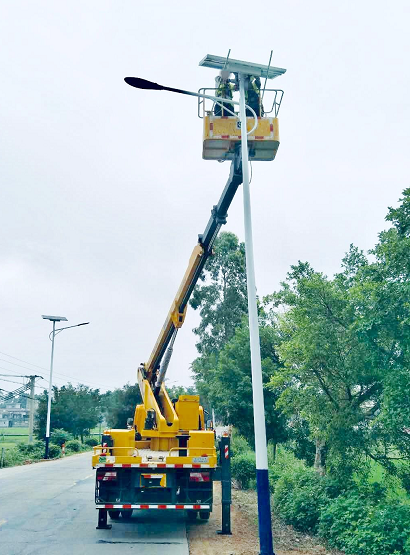
Solar street lights installed in remote locations present significant maintenance challenges when components fail. Troubleshooting requires specialized knowledge of solar systems (including how to test panels, batteries, and controllers), and the integrated design of modern fixtures often necessitates complete unit replacement rather than component repair—increasing service costs and downtime. In areas with limited roads or no electricity, even basic maintenance tasks (like cleaning panels or replacing batteries) can become major undertakings.
I've encountered numerous maintenance challenges when supporting remote solar installations. One project involved 20 solar lights in a national park in Alaska, where the nearest town was 200 miles away. When three lights failed during winter, we had to hire a snowmobile team to reach the site, bring replacement parts (which had to be shipped weeks in advance), and complete repairs in -20°F temperatures—all for a problem that would have taken an hour to fix in a city. The total cost of this maintenance call? Over $3,000—nearly the cost of a new solar light.
The integrated design of all-in-one solar lights adds another layer of difficulty. In split systems, you can diagnose issues by testing individual components: check if the panel is generating power, test the battery voltage, or inspect the controller for error codes. But with all-in-one units, these components are sealed inside a single housing, making it hard to identify which part is faulty without removing the entire fixture. In many cases, maintenance teams end up replacing the entire unit (at a cost of $300-$800) instead of repairing a $50 controller or $100 battery—wasting money and creating unnecessary e-waste [1].
Water intrusion is one of the most common failure points in remote installations, where harsh weather (like heavy rain, snow, or dust storms) can damage seals and allow moisture into the fixture. A minimum IP65 rating (protection against dust and low-pressure water jets) is essential, but even this may not be enough in flood-prone areas or regions with frequent heavy rain. I’ve seen solar lights fail within 6 months of installation due to water damage—often because the manufacturer cut corners on sealing materials to reduce costs. For remote sites, this means more frequent repairs and shorter system lifespans.
Motion detection systems, a common feature in solar lights to conserve energy, also present challenges in remote areas. These sensors often have limited range (5-8 meters) and sensitivity due to cost constraints, meaning they may not activate the light until a pedestrian or vehicle is directly beneath it—reducing their effectiveness as safety lighting. In remote areas with little foot traffic, this can lead to users feeling unsafe at night, even with solar lights installed. Calibrating these sensors requires specialized tools and knowledge, which are often lacking in rural maintenance teams—leaving the issue unaddressed.
Conclusion
Solar street lights offer remarkable benefits—clean energy, zero electricity bills, and easy installation in off-grid areas—but they come with significant drawbacks that must be considered before investing. Weather-dependent performance can lead to unexpected downtime in cloudy or snowy regions, while high initial costs and recurring battery replacement expenses can strain budgets. Maintenance challenges in remote areas, compounded by integrated designs that make repairs difficult, further add to the practical limitations of solar lighting.
Understanding these limitations is not about dismissing solar street lights—it’s about designing better projects. By choosing the right components (like lithium-ion batteries for longer life), oversizing systems to handle adverse weather, and factoring maintenance costs into long-term budgets, you can mitigate these disadvantages and ensure your solar lighting project is successful. For many communities, the sustainability and cost-saving benefits of solar still outweigh the challenges—but only when those challenges are planned for from the start.