Your city feels like an oven in summer, and old streetlights add to the heat. This urban heat island effect makes life uncomfortable and drives up energy costs.
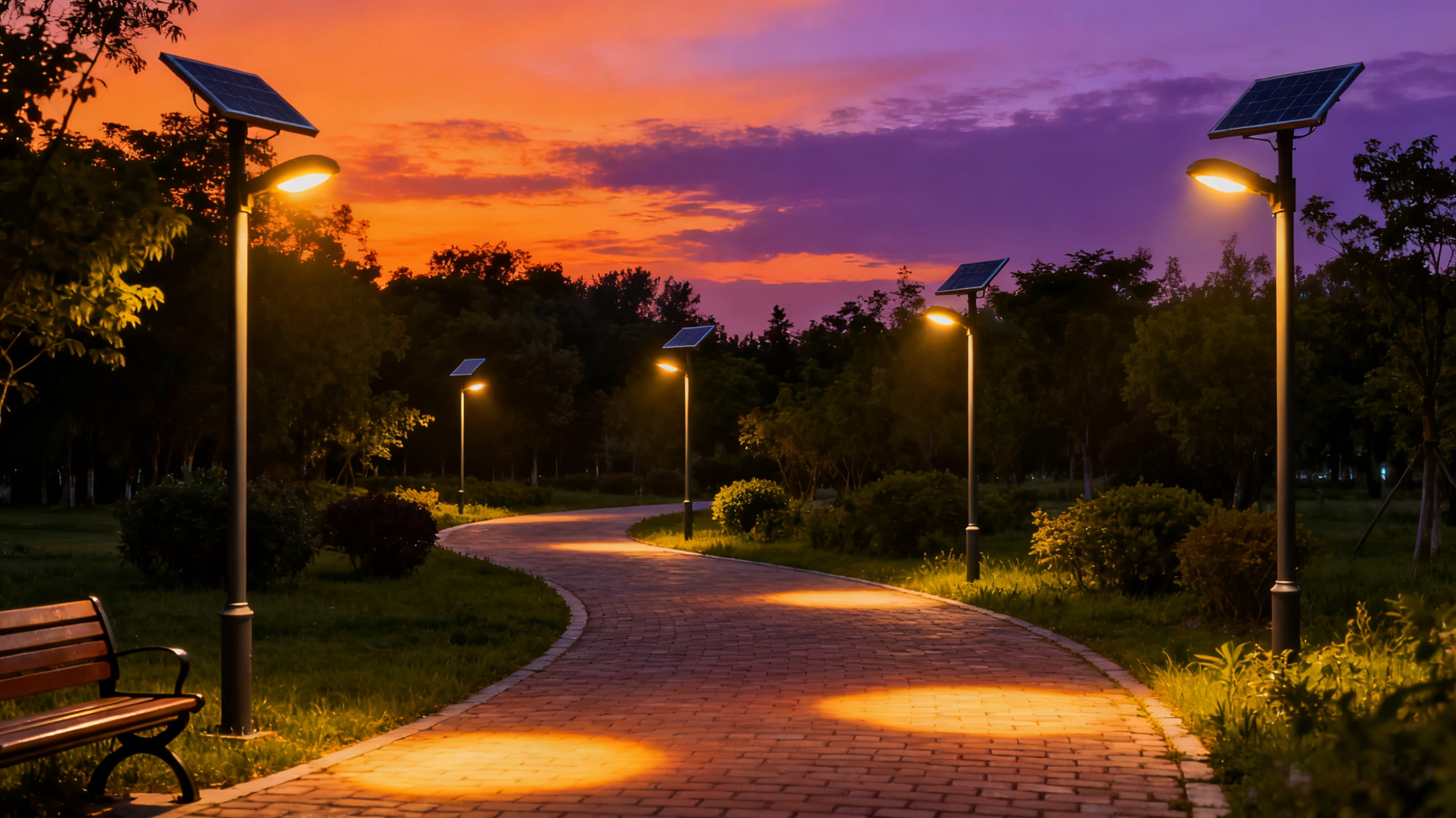
Solar streetlights reduce urban heat by using highly efficient, cool-running LEDs that emit no infrared heat. Being off-grid, they also eliminate the waste heat generated by power plants and transmission lines that traditional grid-tied lights rely on.
I remember walking through the factory in the early days of my career. You could feel the intense heat radiating from a single high-pressure sodium (HPS) bulb from several feet away. It was a tangible reminder that these lights were not just producing light; they were also very effective, and very inefficient, heaters. Today, when I handle a modern LED fixture, the difference is night and day. This shift from hot, inefficient technology to cool, efficient lighting is a small but significant step in cooling our cities.
How Can Solar-powered Streetlights Avoid the Thermal Footprint of Traditional Lighting?
You walk under an old orange-colored streetlight and can feel the heat on your face. You know this can't be efficient and must be contributing to the city's warmth.
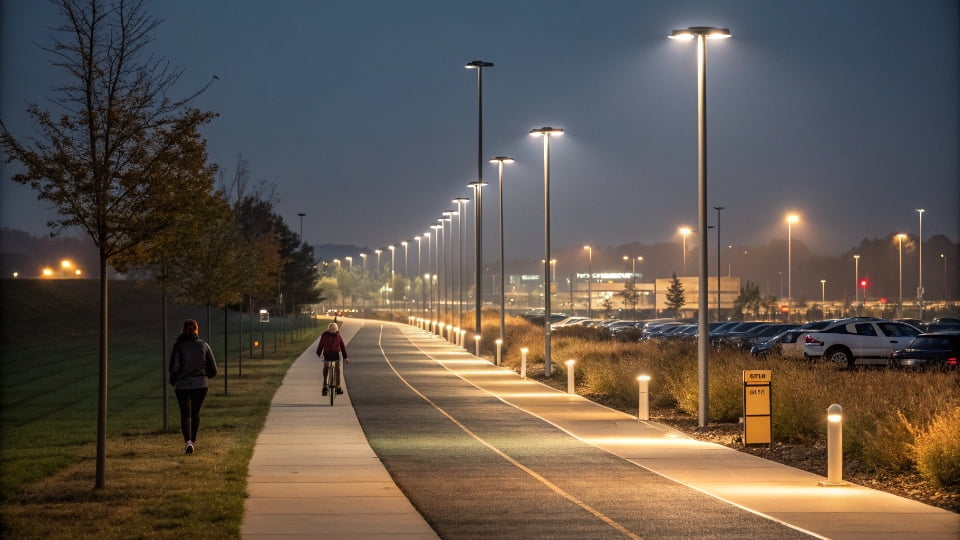
Traditional lights like high-pressure sodium waste up to 80% of their energy as heat. Solar streetlights use LEDs, which convert over 95% of their energy into light, producing virtually no radiant heat and drastically shrinking the thermal footprint.
The "heat" you feel from old streetlights is primarily infrared radiation. It's a massive waste product of an inefficient lighting process. For every 100 watts of electricity those old bulbs consumed, only 20 watts became visible light, while the other 80 watts were pumped into the surrounding environment as heat. This directly raises the ambient temperature on streets and sidewalks.
As a lighting professional, this inefficiency is staggering. We switched to LED technology because it is fundamentally different. LEDs create light through a solid-state process called electroluminescence, which is incredibly efficient and produces very little heat. The minimal heat that is generated is managed by the fixture's design, not radiated down onto the public.
| Light Technology | Energy to Light | Energy Wasted as Heat | Thermal Impact |
|---|---|---|---|
| High-Pressure Sodium (HPS) | ~20% | ~80% | High |
| Metal Halide (MH) | ~25% | ~75% | High |
| Light Emitting Diode (LED) | >95% | <5% | Negligible |
Choosing solar-powered LED lights means you stop heating the street and start lighting it efficiently.
Can Cooler Components in Solar Streetlights Help Mitigate Urban Heat Accumulation?
You see the large, heavy housing on an old streetlight and the slim, modern design of a new one. It makes you wonder if the internal parts of the old lights are also generating heat.
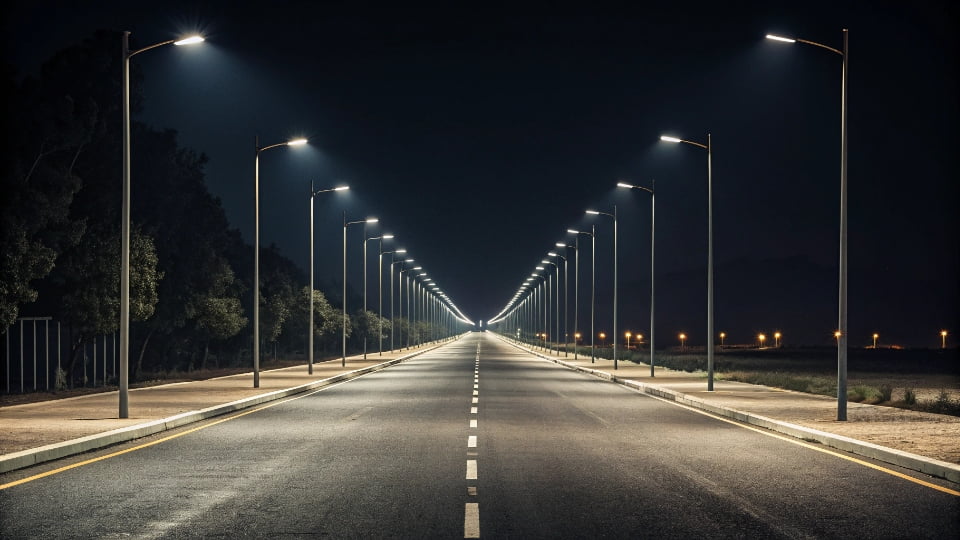
Yes. Modern LEDs and their electronic drivers operate at much lower temperatures than old magnetic ballast systems. This, combined with heat-dissipating fixture designs, means the entire unit adds less ambient heat to the immediate environment.
Inside every traditional HPS or metal halide lamp is a heavy, inefficient component called a magnetic ballast. Think of it as a large, buzzing transformer. Its job is to regulate the electricity flowing to the bulb, and it does so by generating a significant amount of waste heat, often reaching internal temperatures of over 200°F (93°C). This heat gets trapped in the bulky fixture housing and slowly radiates out, contributing to the urban heat island effect long after the sun has set.
In contrast, modern LED systems used in solar streetlights use a small, lightweight electronic "driver." It is far more efficient, converting power with minimal thermal loss. Furthermore, the fixtures themselves are engineered to be heat sinks. The fins and sleek profiles you see on LED lights are specifically designed to passively draw the small amount of heat away from the electronics and dissipate it into the air, keeping the components cool and extending their life. The result is a cooler fixture and a cooler street below.
Isn’t Lower Power Consumption of Solar Systems Key to Reducing Urban Heat Input?
The focus is often on the light fixture itself, but you know that power has to come from somewhere. Doesn't the power grid itself generate an enormous amount of heat?
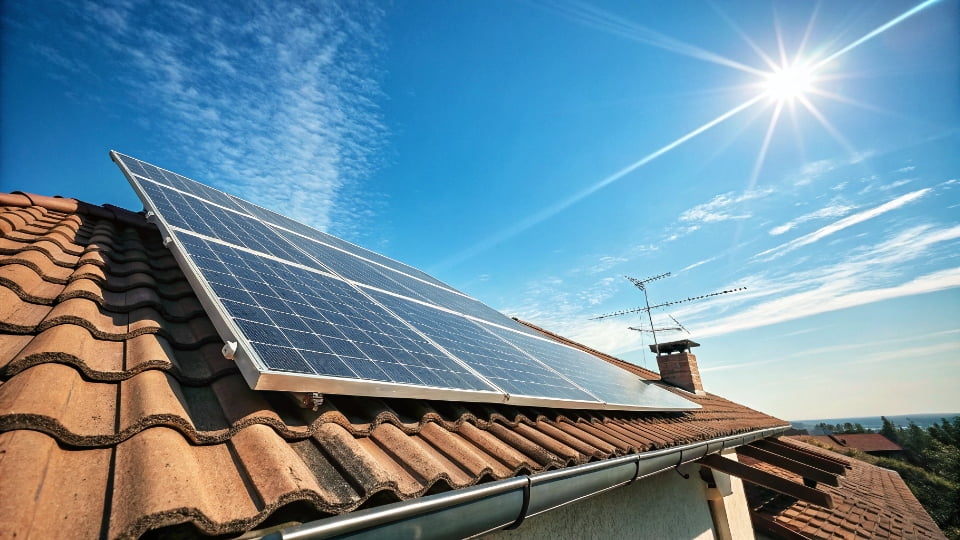
Absolutely. This is the biggest, yet most overlooked, factor. By being off-grid, each solar streetlight prevents the massive waste heat generated at a distant power plant and lost during electricity transmission, tackling urban heat at its source.
This is a concept we call "source energy," and it reveals the true thermal footprint of grid-tied lighting. A typical fossil fuel power plant is only about 33-40% efficient. That means for every one unit of electricity it sends to the grid, it has already generated two units of waste heat at the plant. Then, more energy is lost as heat in the transmission lines that carry the power to your city.
Let's break down the hidden heat of a traditional 150-watt streetlight:
That single 150-watt light is actually responsible for over 400 watts of total heat pollution. A solar streetlight's source energy calculation is simple. It produces power right where it's used. There is no power plant, no transmission lines. By choosing a solar streetlight, you eliminate that entire chain of waste heat.
How Well Do Solar Streetlights Complement Heat-Mitigating Urban Designs (e.g., Green Spaces)?
Cities are planting trees and creating parks to provide shade and cooling. But running power for lights in these new green spaces seems destructive and counterproductive.
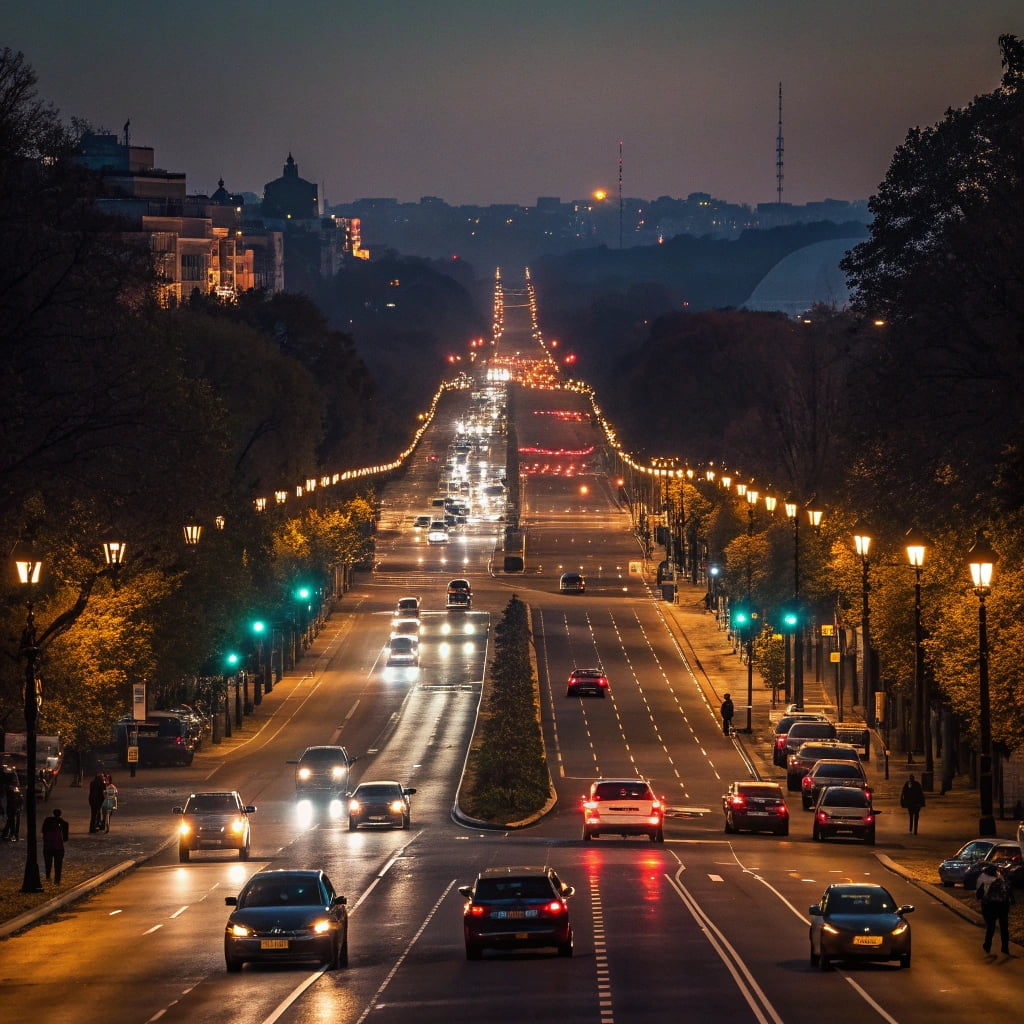
They complement them perfectly. Because solar streetlights require no trenching for electrical cables, they can be installed in parks, greenways, and near trees without damaging root systems. This allows cities to add both green infrastructure and safe lighting simultaneously.
I've worked on numerous projects where this was the deciding factor. A city would design a beautiful new park or a green corridor to help reduce the heat island effect, but then they would face the enormous cost and environmental damage of trenching. Digging trenches for electrical conduits severs mature tree roots, killing the very trees that provide the most cooling shade. It also compacts the soil and disrupts the local ecosystem.
Solar streetlights completely bypass this problem. They are self-contained infrastructure. We can place a light exactly where it is needed for safety and security without digging a single trench. This allows urban planners to pursue their greening strategies without compromise. It means we can preserve the mature tree canopy, which is our most effective natural defense against urban heat, while still providing the modern amenity of safe, reliable nighttime illumination. It’s a perfect partnership between technology and nature.
Conclusion
Solar streetlights fight urban heat directly with cool LEDs and indirectly by being completely off-grid. They are a smart, efficient technology for building cooler, more sustainable cities of the future. By cutting down on waste heat from fixtures, power plants, and transmission lines, and by working in harmony with green urban designs, these lights do more than just illuminate streets—they help make cities more livable for everyone.