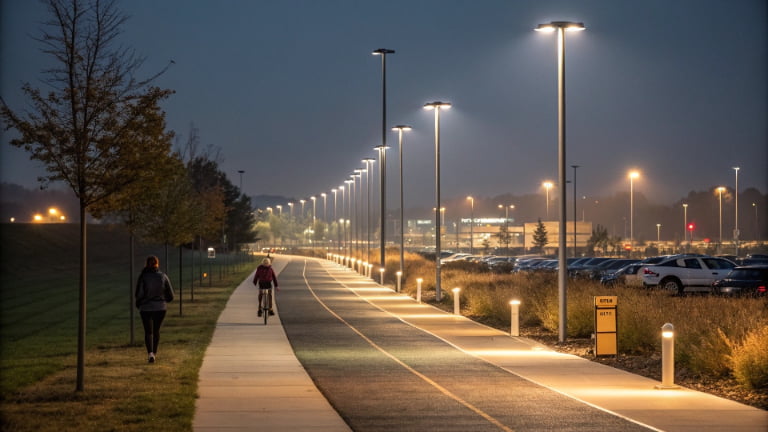
Selecting the wrong battery size for your solar streetlight can lead to system failure, wasted investment, and frequent replacements. Understanding proper sizing calculations ensures reliable performance and optimal lifespan.
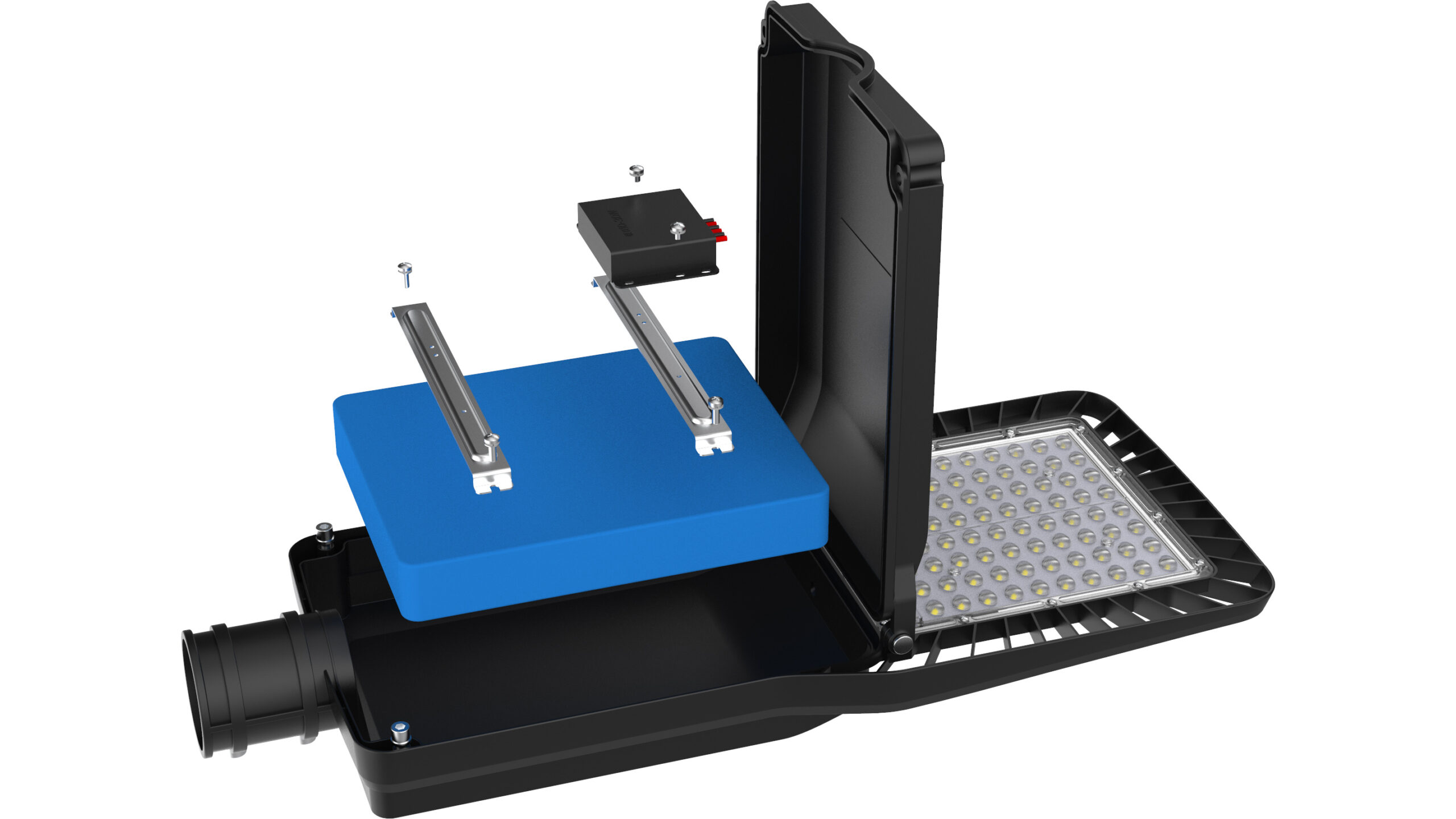
To calculate the battery size for a solar streetlight, determine the total daily energy consumption (watts × hours), account for efficiency losses and required backup days, then convert to amp-hours by dividing by the battery voltage. For proper sizing, factor in the battery's discharge depth (70% for gel batteries, 90-100% for lithium batteries).
I've designed hundreds of solar lighting systems, and proper battery sizing is critical to system longevity. Let me walk you through the calculation process and answer common battery-related questions.
Can I Use a 1000 mAh Battery in Solar Lights?
When considering small batteries for solar lighting, many wonder if consumer-grade options provide sufficient capacity for reliable operation.
A 1000 mAh battery is insufficient for solar streetlights, which typically require much larger capacities ranging from 20,000-60,000 mAh (20-60 Ah) at 12V to power high-brightness LEDs for extended periods. Such small batteries might work for decorative garden lights but cannot support streetlight applications.
When selecting battery capacity, I first calculate the system's energy requirements. For example, a typical solar streetlight using a 20W LED operating for 12 hours consumes 240 watt-hours daily. After accounting for system inefficiencies and backup days, this translates to much larger capacity requirements than 1000 mAh could provide.
Solar streetlights commonly use either gel (lead-acid) or lithium batteries with substantial capacity. While lithium batteries have significantly higher cycling capacity (approximately 1000 cycles compared to gel batteries' 300 cycles), both types require far more capacity than small consumer batteries offer. [5][6]
The advantage of lithium batteries in solar street lighting systems is their higher discharge depth capability (90-100% versus gel batteries' 70%), allowing more efficient use of their capacity. This means a lithium battery system can use a smaller capacity battery than a gel battery system for the same application. [1][5] For example, if calculations show you need a 12V 60Ah gel battery, switching to lithium might only require 12V 48Ah due to its higher efficiency and discharge depth. [1]
Can I Use a 3.7 V Battery Instead of 3.2 V in Solar Lights?
Battery voltage compatibility is crucial when considering replacements or system design modifications.
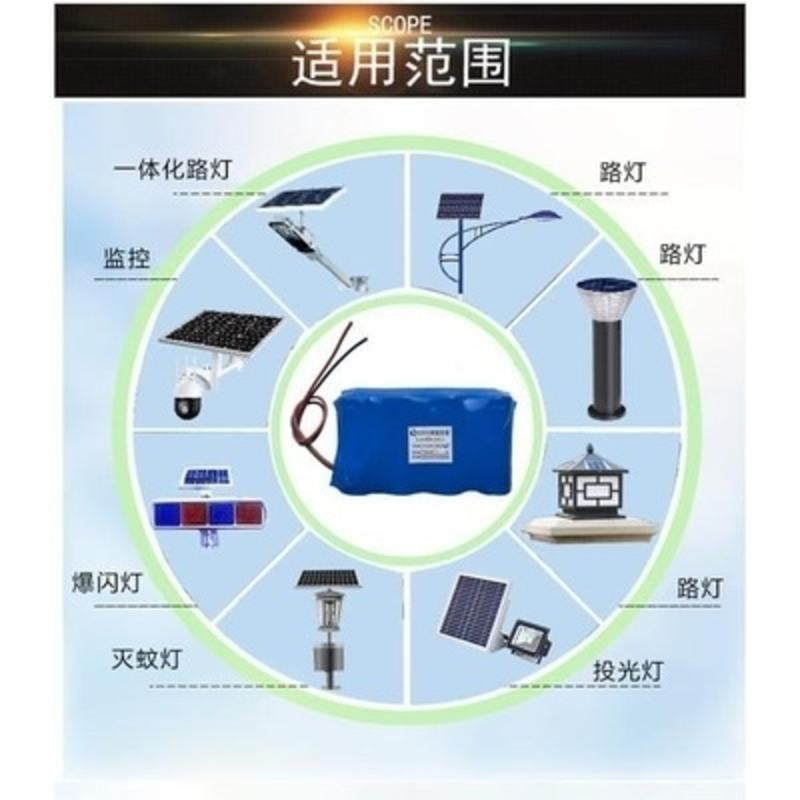
Using a 3.7V battery instead of 3.2V in solar lights is generally not recommended without system modification, as the voltage difference can damage the charge controller or reduce battery lifespan. Most solar streetlights operate on standard 12V systems using either 12V single batteries or multiple 3.2V/3.7V cells configured in series.
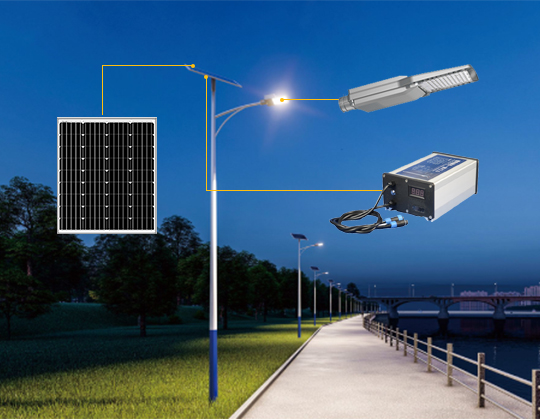
When designing solar lighting systems, I ensure the battery voltage matches the system requirements precisely. Solar street light batteries connect to charge controllers that regulate power from solar panels while protecting batteries from improper charging conditions. Using batteries with mismatched voltages can compromise this protection.
In solar street lighting applications, individual lithium cells (typically 3.2V for LiFePO4 or 3.7V for Li-ion) are usually configured in series to create 12V battery packs. [5] This voltage standardization ensures compatibility with controllers and LED drivers designed for this common system voltage.
The protection circuits included in lithium battery systems are specifically calibrated for their designed voltage, and substituting batteries with different voltage ratings can interfere with these protection mechanisms. [4] This is particularly important in outdoor applications where batteries are exposed to varying environmental conditions.
What Voltage Battery for Solar Street Lights?
Selecting the appropriate voltage for solar street light batteries ensures system compatibility and optimal performance.
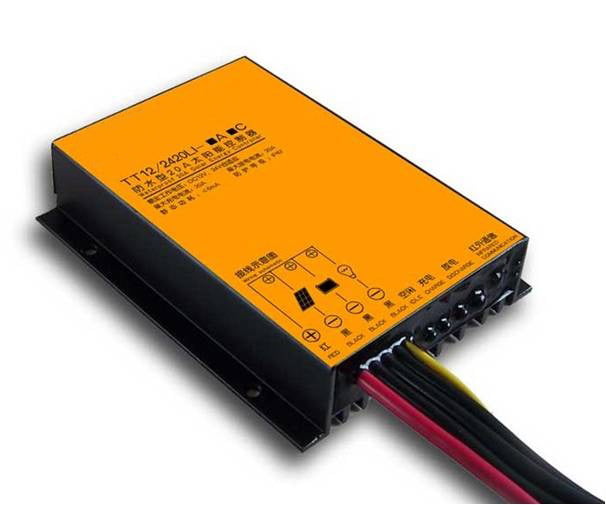
Solar street lights typically use 12V battery systems, regardless of whether they employ gel (lead-acid) or lithium batteries. This standard voltage has become the industry norm for solar lighting applications, allowing compatibility with commonly available controllers, LED drivers, and solar panels.
In my installations across various regions, 12V systems dominate the solar street lighting market. This standardization simplifies component selection and replacement. For gel battery systems, the controller typically has three sets of connections with six wires total, corresponding to the solar panel, battery, and light source's positive and negative terminals. [3]
The controller in solar street lighting systems uses the voltage difference from the solar panel to determine when to activate the lights. As sunlight diminishes, the voltage from the solar panel drops below a preset threshold, triggering the lighting system to turn on. [6] This photovoltaic sensing function relies on consistent voltage parameters throughout the system.
For larger applications requiring more power, multiple 12V batteries may be connected in parallel to increase capacity while maintaining the 12V system voltage. This approach preserves compatibility with standard components while providing the necessary energy storage for extended operation or higher-power lighting fixtures.
How Long Will a 20kW Battery Last?
Understanding battery duration helps in planning for reliability, especially in areas with extended periods of adverse weather.
A 20kW battery in a solar street lighting context would provide approximately 1,667 hours of operation for a 12W LED light or 417 hours for a 48W fixture. However, most solar street lights use batteries rated in amp-hours (Ah) rather than kilowatt-hours (kWh), with typical capacities ranging from 20Ah to 60Ah at 12V (0.24kWh to 0.72kWh).
When calculating battery duration, I consider both capacity and discharge limitations. For example, gel batteries shouldn't be discharged beyond 70% of their capacity to maintain longevity, while lithium batteries can safely use 90-100% of their capacity. [5] This difference significantly impacts effective runtime from the same nominal capacity.
Temperature also greatly affects battery performance and lifespan. Gel batteries struggle in cold conditions when installed above ground but perform well when buried below the frost line where ground temperatures remain more stable. For installations in regions with temperatures consistently below -15°C, ground burial provides a more suitable operating environment for lead-acid batteries. [3]
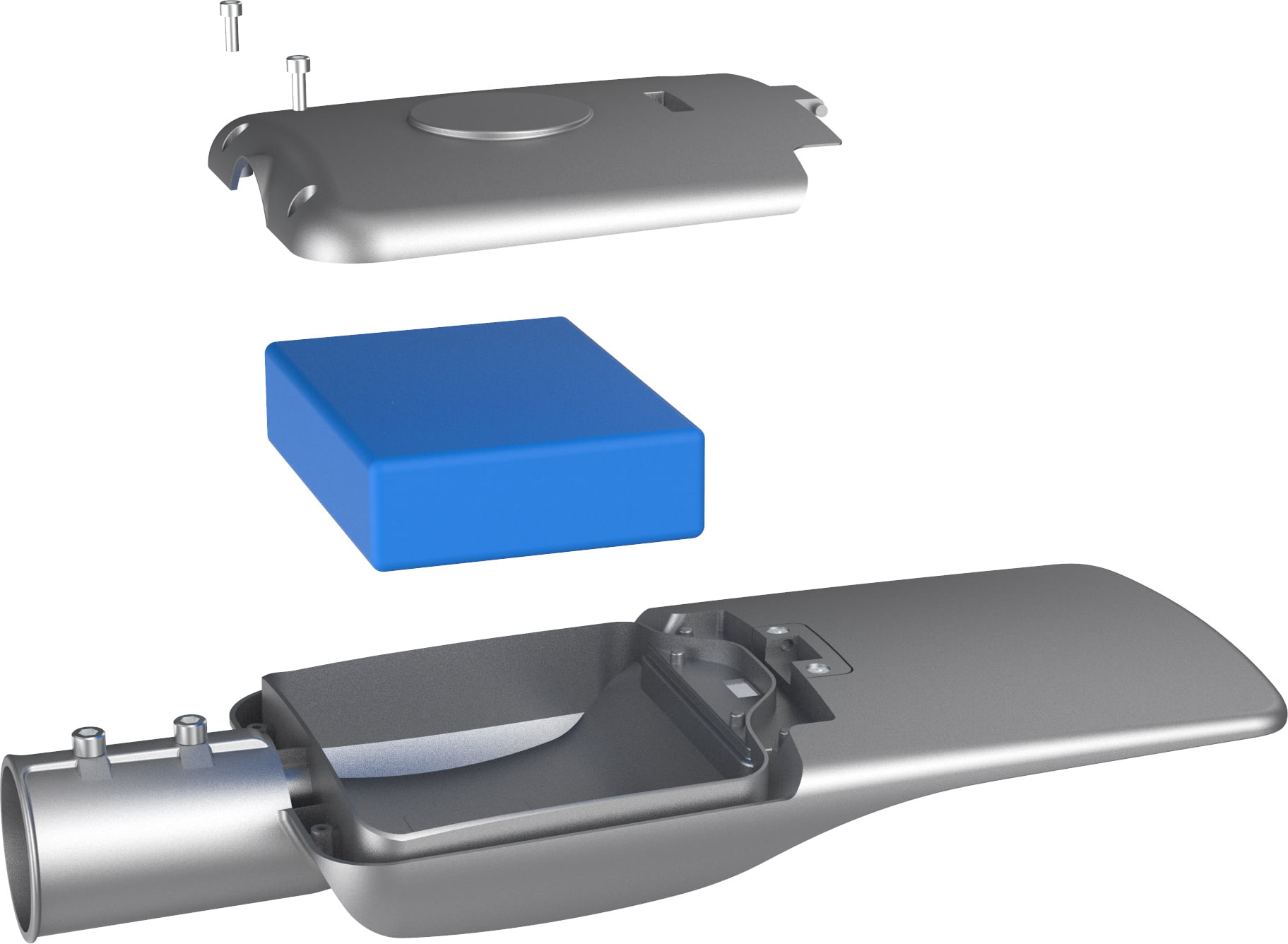
Lithium batteries generally handle cold weather better, functioning properly down to approximately -10°C without special accommodation. [4] However, their protection circuits can be vulnerable to moisture unless properly sealed, making them less ideal for ground burial. This is why most lithium batteries in solar lighting systems are mounted within the fixture or on the pole rather than buried. [1][4]
Conclusion
Calculating the appropriate battery size for a solar street light requires understanding daily energy consumption, backup requirements, discharge limitations, and environmental factors. By selecting the right voltage, capacity, and battery chemistry for your specific application, you can ensure reliable performance and maximize your system's service life.