You're planning a project and need to choose a solar street light, but the range of heights is confusing. You're worried that if you pick one that's too tall or too short, you'll end up with terrible lighting and an expensive mistake.
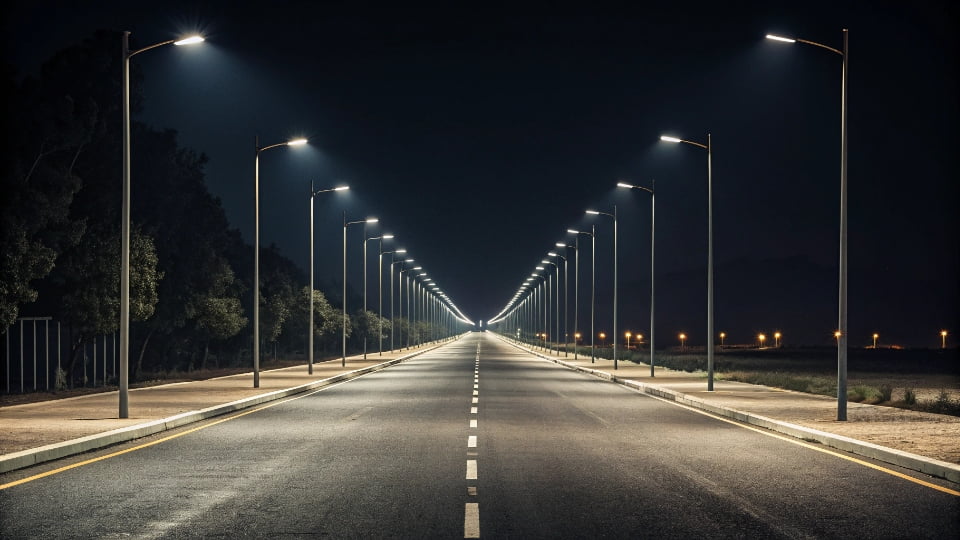
Solar street light poles typically range from 12 to 40 feet (about 4 to 12 meters). The correct height is determined by the specific application, with shorter poles used for pathways and taller poles for wider areas like roads and parking lots.
Throughout my career, I've learned that pole height isn't just a number; it's a critical design variable that directly impacts safety, performance, and cost. Getting it right means perfect, uniform light. Getting it wrong results in dark spots, glare, or light spilling where you don't want it. The goal is to match the pole height to the light fixture and the area you need to illuminate, creating a system that works in harmony.
Isn't There a Standard Height for Street Lights?
You look around and see lights of all different heights and wonder why there isn't just one simple, standard answer. It feels like a choice that should be straightforward, but the variety you see suggests it's more complicated.
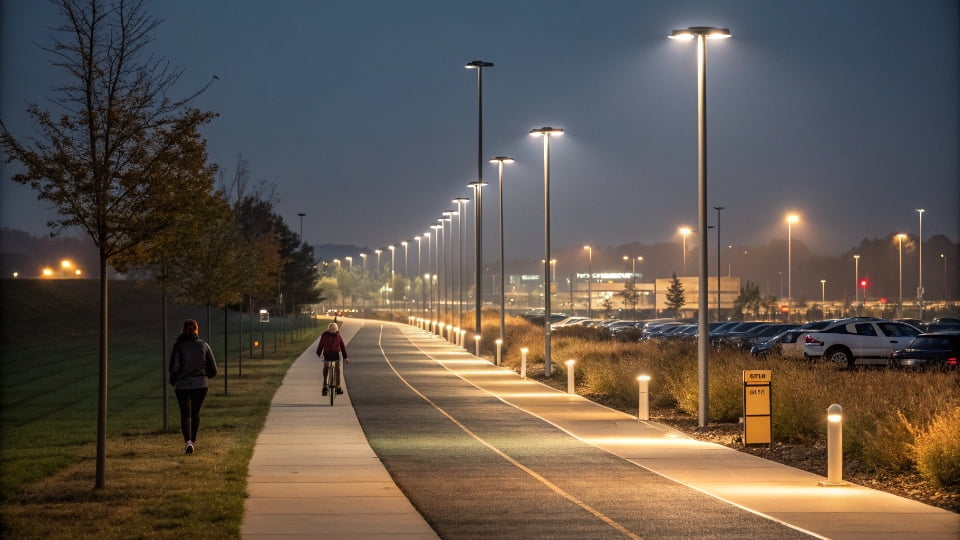
While there isn't a single universal standard, there are common height ranges recommended for specific applications. The "standard" is defined by the lighting task, not a one-size-fits-all rule.
In the lighting industry, we follow guidelines from organizations like the IES (Illuminating Engineering Society) to ensure safety and performance. These guidelines have led to common-sense standards based on where the light will be used. A tall pole on a narrow walkway would feel overwhelming and waste energy, while a short pole in a big parking lot would create pools of light and deep, unsafe shadows. We match the height to the environment.
| Application | Common Height Range (Feet) | Common Height Range (Meters) | Purpose |
|---|---|---|---|
| Pedestrian Paths / Bikeways | 12 - 16 ft | 4 - 5 m | Human-scale, low-glare, focused light. |
| Parking Lots / Site Lighting | 20 - 25 ft | 6 - 8 m | Broad coverage for open areas. |
| Local Roads / Collectors | 25 - 30 ft | 8 - 9 m | Wider light distribution for traffic. |
| Major Roads / Highways | 30 - 40 ft | 9 - 12 m | Maximum coverage and spacing between poles. |
Choosing a height from the right category is the first step toward a professional lighting design.
Aren’t There Factors Affecting Street Light Height?
You suspect that just picking a height based on a chart isn't the full story. You're right to be cautious, as several technical factors must work together for the system to be effective.
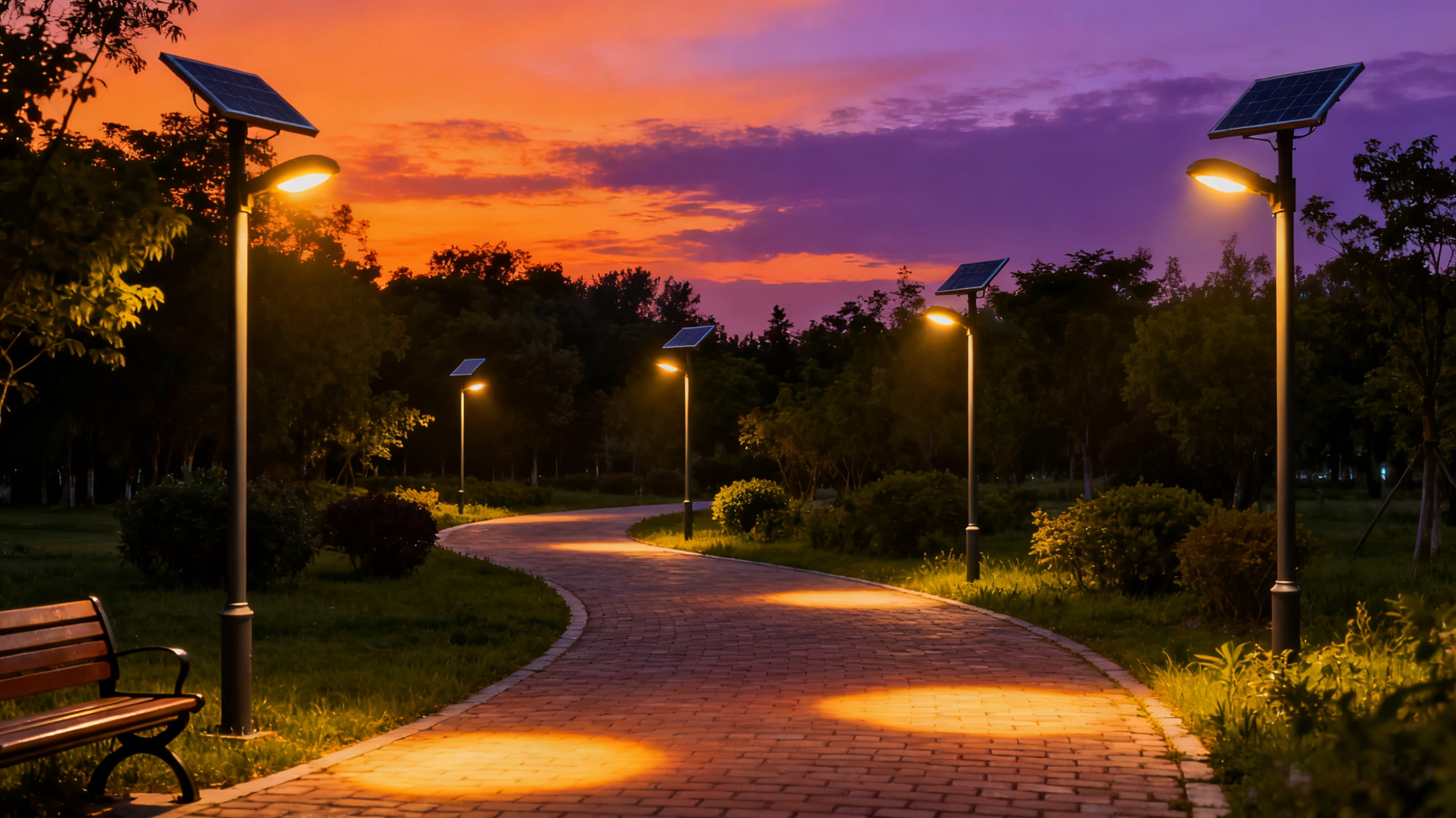
Yes, the pole height is directly tied to the fixture's wattage (lumen output), the light distribution pattern (optic), the width of the area being lit, and crucial safety factors like local wind load requirements.
This is where my experience in the factory becomes so important. A street light is a complete system, and all the parts have to be matched. A more powerful light fixture (higher lumens) can be mounted higher while still providing bright, useful light on the ground. Putting a low-power fixture on a tall pole is a recipe for dangerously dim conditions.
The fixture's lens, or "optic," is also critical. It shapes the light into a specific pattern on the ground (e.g., a long, narrow oval for a roadway). This pattern is designed to work from a specific range of heights. If you use the wrong height, you distort the pattern.
Finally, and most importantly, is safety. A taller pole acts like a giant lever in the wind. We must perform a wind load calculation (EPA - Effective Projected Area) based on the project's zip code to ensure the pole's thickness and foundation are engineered to withstand the worst storms that a location might face. This is a non-negotiable step.
How Could You Not Choose the Right Street Light for Your Needs?
You're trying to manage your budget, and it's tempting to choose a shorter, cheaper pole. You wonder what the actual consequences are if you make the wrong choice.
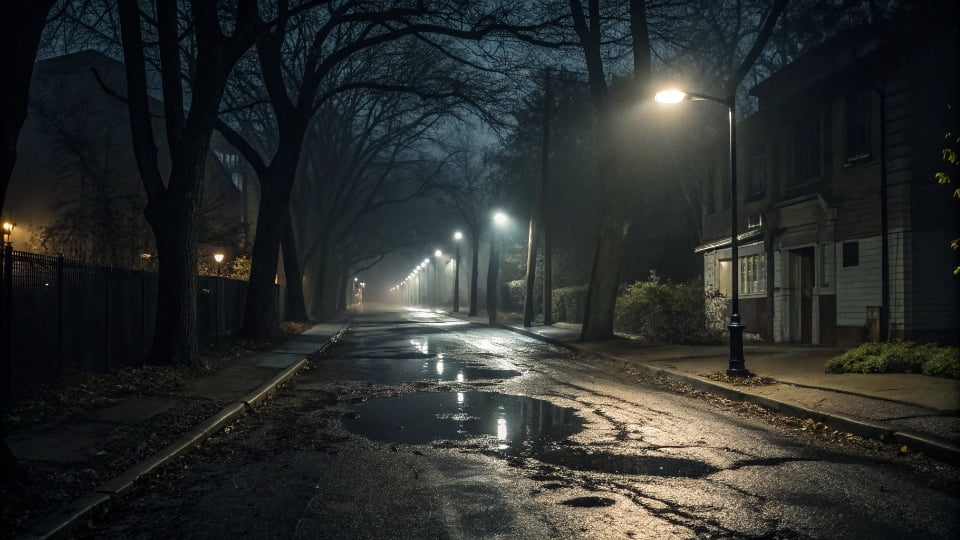
The most common mistake is choosing a pole that is too short for the area. This creates poor uniformity with bright "hot spots" directly under the light and deep, hazardous shadows between poles, ultimately failing the project's safety goals.
I've seen this happen when a customer focuses only on the upfront cost of the pole. They choose a 15-foot decorative pole for a parking lot because it's less expensive, but the result is a disaster. The light is harsh and creates glare for drivers because it's too close to eye level, and the spacing between poles is filled with darkness, creating security risks. To fix it, you end up needing to install more poles, which completely wipes out any initial savings.
Conversely, choosing a pole that's too tall for the fixture's power output results in dim, washed-out light that doesn't meet safety minimums. The key is to find the balance that delivers the required light levels with the greatest efficiency. The only way to do this with certainty is to run a professional lighting simulation, known as a photometric analysis, before you buy anything. This computer model shows you exactly what the results will look like.
Why Does a Professional Partner Matter?
You've learned the basics, but you're worried about missing a critical detail that only an expert would know. You wonder if trying to specify the project yourself is worth the risk.
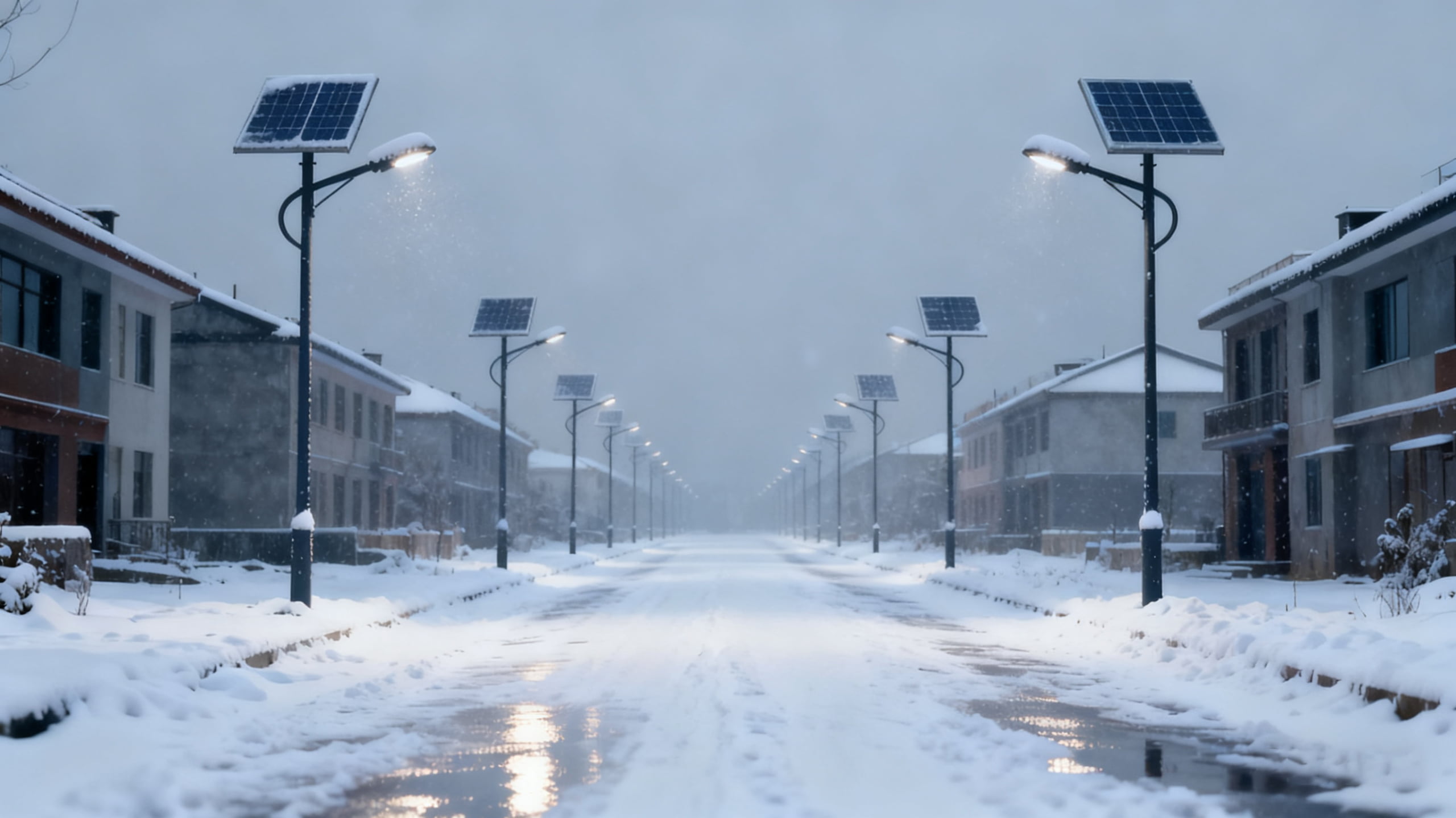
A professional partner doesn't just sell you a product; they provide a guaranteed outcome. We take the guesswork out of the process by performing a complete lighting analysis to ensure your project is safe, efficient, and compliant from day one.
When a client comes to me at Sunluminsolar, my first question isn't "How tall do you want your pole?" It's "What are you trying to achieve?" From there, my team and I provide a complete solution. We start by understanding the application—a parking lot, a local road, a park trail—and the safety standards for that environment.
Then, we create a photometric layout. This is a computer simulation that allows us to test different pole heights, fixture wattages, optics, and pole spacings. We can fine-tune the design to deliver the perfect amount of light with the fewest poles possible, saving you money while maximizing safety. We also handle the critical wind load engineering to ensure the poles are safe and meet local codes. This process eliminates risk. You aren't just buying a light; you are investing in a professionally engineered solution that is guaranteed to work.
Conclusion
Choosing the right solar street light height is a science. It's an engineering decision based on application, safety, and performance that ensures your investment provides reliable and effective illumination for years to come. By aligning pole height with the specific use case, fixture capabilities, and environmental factors, you avoid common pitfalls like glare, dark spots, and structural risks. Partnering with a professional to conduct photometric analysis and wind load calculations turns guesswork into certainty, delivering a lighting system that meets safety standards, optimizes energy efficiency, and provides long-term value.