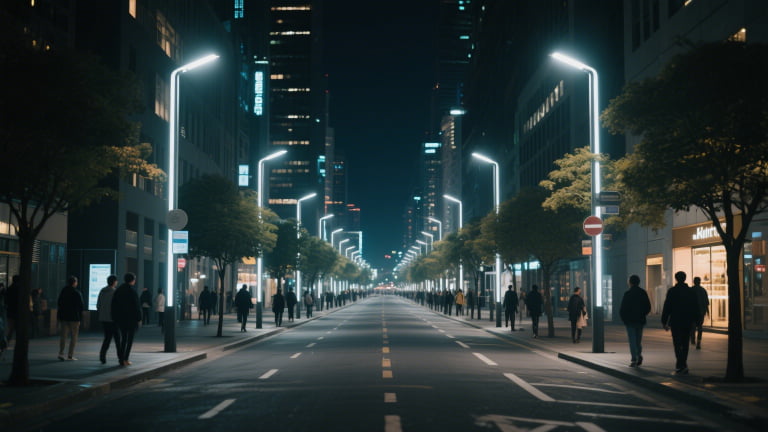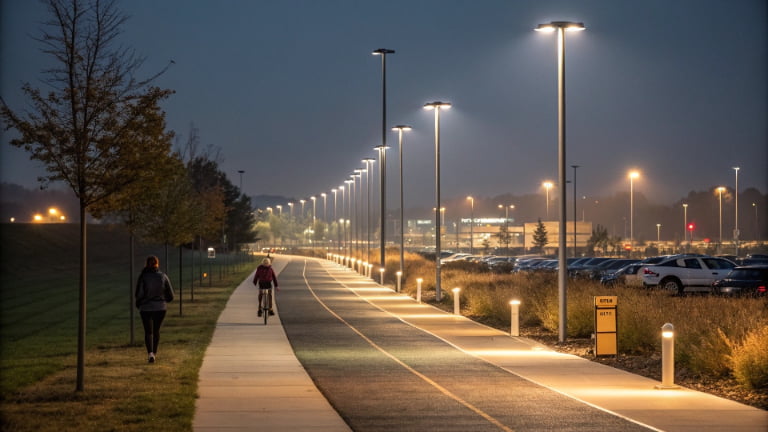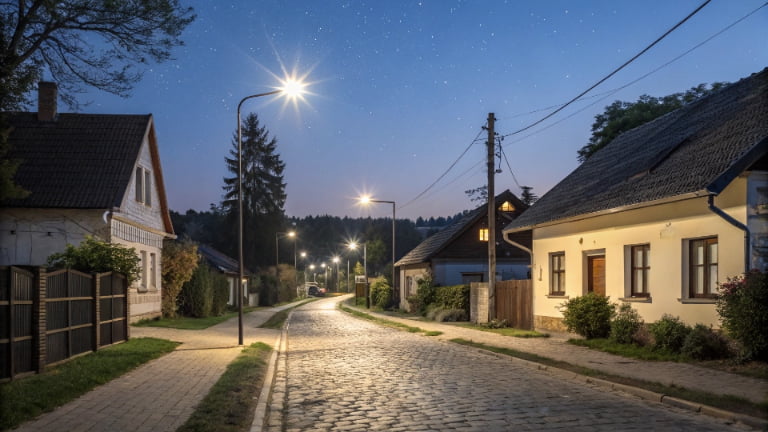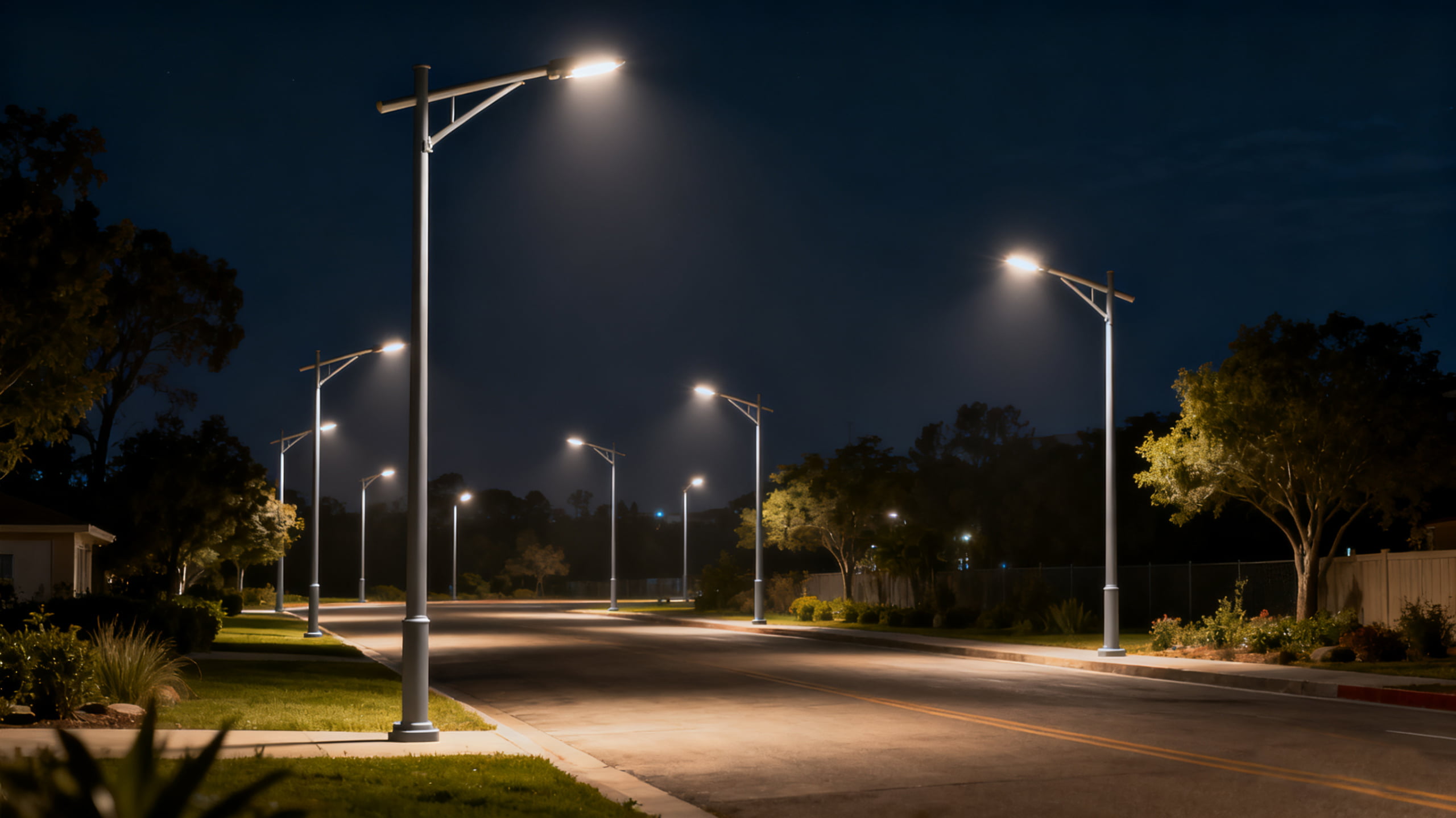
A new street light is installed, and suddenly your bedroom is lit up all night. You want the safety of a lit street, but the light trespass is ruining your sleep and privacy. You feel powerless.
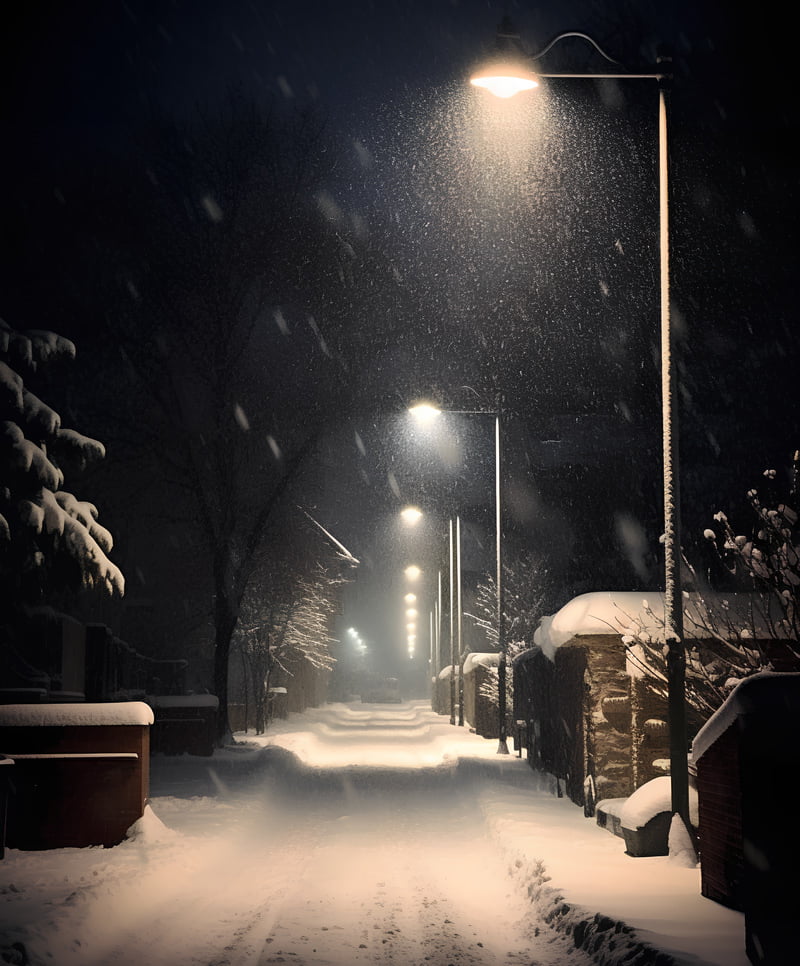
Isolating a street light involves two key concepts: blocking unwanted light using full cutoff fixtures and house-side shields, and ensuring electrical safety through proper grounding and insulation. Both are crucial for a well-designed lighting project.
This problem of "light spill" is something I deal with almost every week. I once had a client in a small town who completed a big installation. Everyone was happy about the safer streets, except for one homeowner whose house was right next to a new pole. The light poured into their child's bedroom. It became a huge issue for my client. They called me, frustrated and worried. This experience taught me that a successful project isn't just about lighting the street; it's about not lighting the areas where it isn't wanted. Let's break down how professionals solve this, starting with the basics.
What material can block out light?
You need to stop the light, so your first thought might be to put something in its path. But what material is safe and effective? Using the wrong material can be a waste of time, look terrible, or even be dangerous.
The best materials for blocking light are opaque and durable, like aluminum or steel. In professional street light shields, these metals are powder-coated to resist weather and heat, providing a long-lasting and complete block of light.
When I worked in the factory, I saw exactly why metal is the only real choice. Street lights get hot. An LED fixture might not feel as hot as an old bulb on the outside, but the internal components generate significant heat, which is transferred to the metal housing. If you try to attach a piece of wood or plastic as a makeshift shield, it could warp, melt, or even become a fire hazard. Professionals use materials that are designed for this environment.
Aluminum is the most common choice. It's lightweight, which is important when you're adding something to the top of a tall pole. It also doesn't rust and is excellent at dissipating heat. The material is always treated with a powder-coating finish. This isn't just paint. It's a dry powder that is electrostatically applied and then cured under heat, creating a hard finish that is much tougher than conventional paint. This coating protects the metal from rain, sun, and salt, ensuring the shield lasts as long as the street light itself.
| Material | Light Blocking Ability | Durability / Heat Resistance | Why It's Used (or Not) |
|---|---|---|---|
| Aluminum/Steel | 100% Opaque | Excellent | Professional standard; safe, durable, and effective. |
| Thick Plastic (HDPE) | Mostly Opaque | Poor to Fair | Can warp or degrade from heat and UV exposure. Not recommended. |
| Wood / Cardboard | Opaque (when dry) | Very Poor | Fire hazard, absorbs water, falls apart quickly. A very bad idea. |
So, while any solid object can technically block light, only professionally made metal shields are a safe and permanent solution.
How do you prevent light trespass?
A resident is complaining about light spilling onto their property. Now you have a problem to solve, but the real goal should have been to prevent it from ever happening. How do you stop light trespass before it starts?
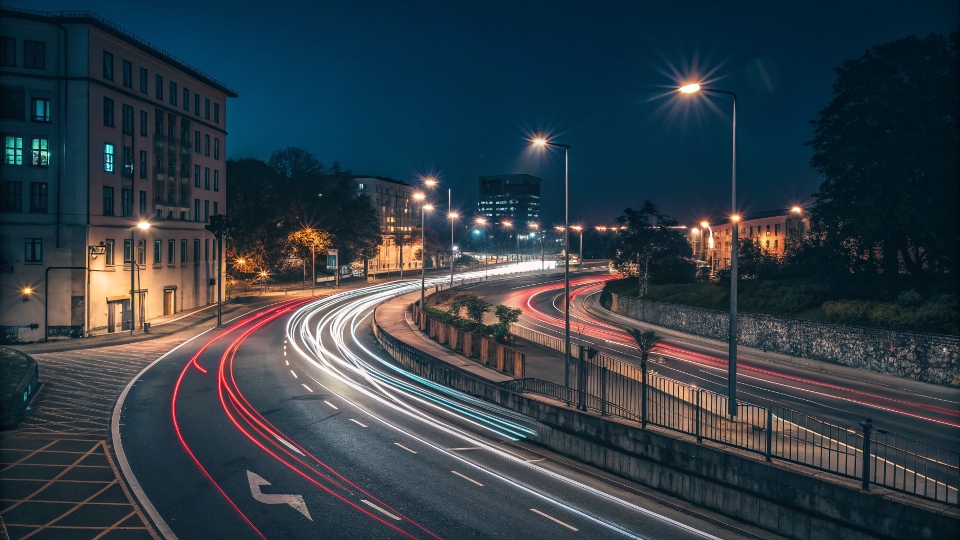
You prevent light trespass by using "full cutoff" or "dark sky friendly" fixtures. These designs have flat lenses and direct all light downward. Combining this with correct pole placement and aiming during the planning phase is the most effective strategy.
The best solution is always proactive, not reactive. In the case of my client with the angry homeowner, the problem was that they had used a fixture with an older "drop lens" design. That curved glass bowl looks nice, but it throws light everywhere, including upwards and sideways. The modern standard is the full cutoff fixture. These fixtures have a flat glass bottom, and the LEDs are recessed inside. This design ensures that almost no light is wasted by going up into the sky or sideways into a window.
During the design phase of a project, engineers use software like DIALux to create a lighting simulation. They input the road width, pole height, and spacing. The software then shows exactly where the light will fall and how bright it will be. This allows them to choose the right fixture and the right optics (the lens over the LEDs) to create a perfect carpet of light on the street without spilling over. Preventing light trespass isn't about blocking light after the fact; it's about controlling it at the source.
| Fixture Type | Description | Light Trespass Risk |
|---|---|---|
| Full Cutoff | Flat lens, all light directed downwards. | Very Low |
| Semi-Cutoff | Minimal light allowed above the horizontal plane. | Low to Medium |
| Non-Cutoff (Drop Lens) | Globe or bowl-shaped lens hangs below the fixture. | Very High |
I always advise my clients to specify full cutoff fixtures from the very beginning. It solves the problem before it even exists.
Do street light shields work?
You've already installed the lights, and now you have a light trespass problem. You can't replace all the fixtures, so you need a fix. You've heard about shields, but are they just a gimmick or do they really work?
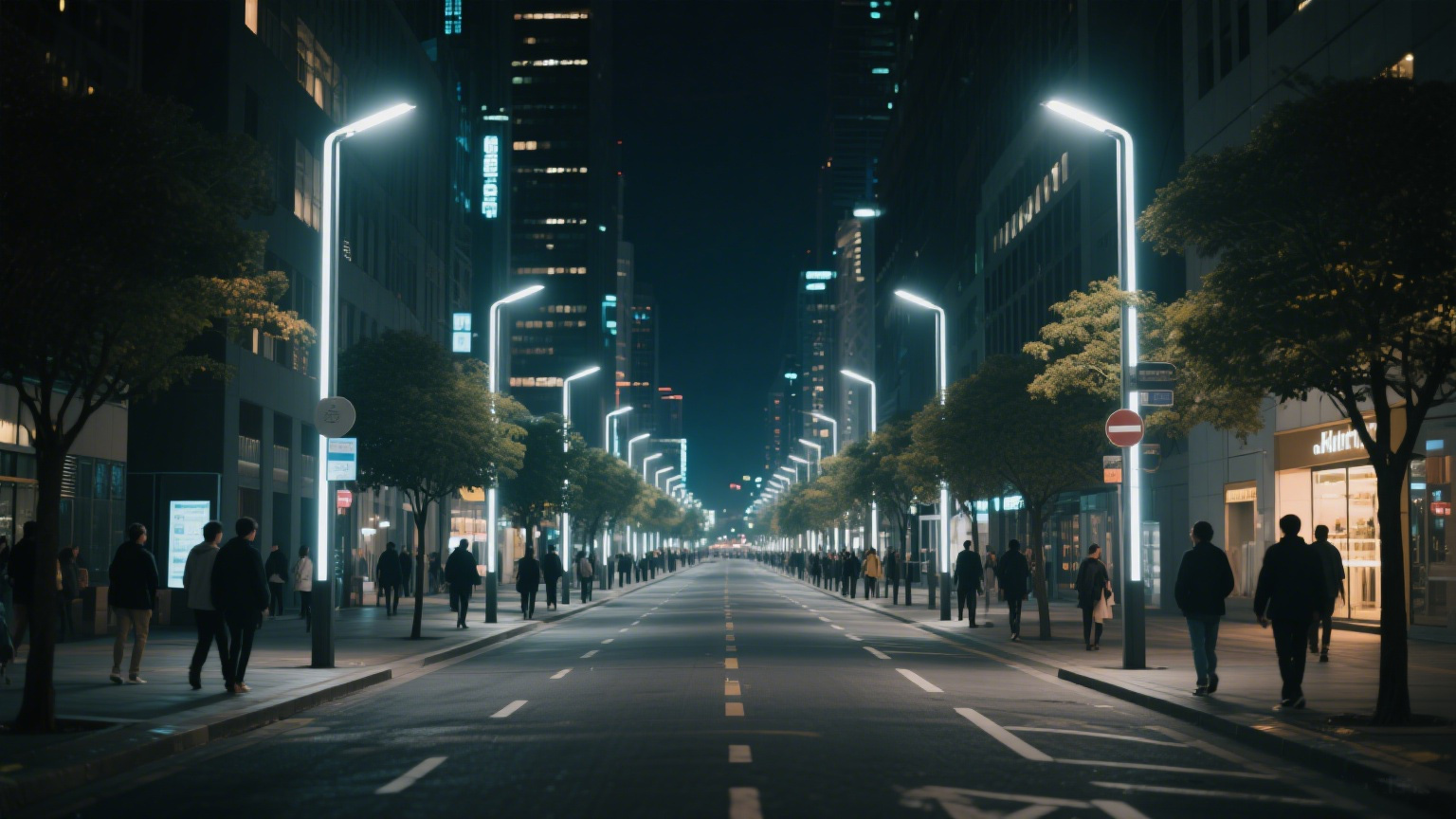
Yes, purpose-built street light shields are extremely effective. A "house-side shield" is a metal plate attached to the fixture that physically blocks light from spilling behind the pole, solving the most common light trespass complaints without affecting the light on the street.
Shields absolutely work, but you have to use the right one. After my client ran into their problem, we couldn't replace the 50 lights they had just installed. The solution was a retrofit shield. We ordered custom-made house-side shields for each fixture that was causing a problem. A house-side shield is a simple but brilliant device. It's a curved piece of powder-coated aluminum that bolts onto the side of the light fixture facing the house. It acts like a blinder, cutting off any light that would spill backward or sideways onto the property.
The installation took less than 15 minutes per light. The result was immediate. The homeowner was happy because their bedroom was dark again. My client was happy because the problem was solved for a very low cost. The street remained perfectly lit. There are other types of shields, too. Louvers are like a grill that can be installed to reduce glare at high angles, and visors or "eyebrows" can help limit the forward throw of the light. The key is to get a shield that is specifically designed for your model of street light. A universal or DIY shield might not fit correctly, could trap heat, or could even fall off. When sourced from the manufacturer, they are an engineered, proven solution.
What is an electrical shield?
You're discussing shields with an engineer or supplier, and they start talking about EMI and shielded cables. You're talking about blocking light, but they're talking about electricity. What is an electrical shield and how is it different?
An electrical shield is a conductive layer (like a foil wrap or braided mesh) inside a cable. Its job is to block electromagnetic interference (EMI), not visible light. It protects sensitive control signals for smart lighting from being disrupted by nearby power lines.
This is a very important distinction that shows how the word "shield" has two completely different meanings in the lighting industry. When we talk about blocking light, we mean a light shield. When an engineer talks about a shield, they often mean an electrical shield. I learned this difference on the factory floor when we were building the first "smart" street lights with remote controls.
Normal power cables don't need much shielding. But modern street lights often use control systems like DALI or 0-10V dimming. These systems use low-voltage signals sent along separate control wires. If you run these small signal wires next to a high-power electrical line inside the pole, the power line creates an invisible magnetic field (EMI) that can disrupt the control signal. It's like trying to have a quiet conversation next to a loud engine. The electrical shield is a metallic wrapper around the control wires that blocks this "noise," ensuring the dimming or on/off signals are received clearly by the light. So, a light shield isolates a home from light, while an electrical shield isolates a control signal from noise. Both are forms of "isolation," but they solve completely different problems.
Conclusion
Isolating a street light means controlling where light goes and ensuring electrical signals are clean. By planning with full cutoff fixtures and using house-side shields when needed, you can solve any light trespass issue.