When solar street lights begin to dim earlier than usual or fail to illuminate entirely, the battery is usually the culprit. Despite high-quality components elsewhere, batteries are typically the first to fail in solar lighting systems, leaving many owners unsure about replacement options.
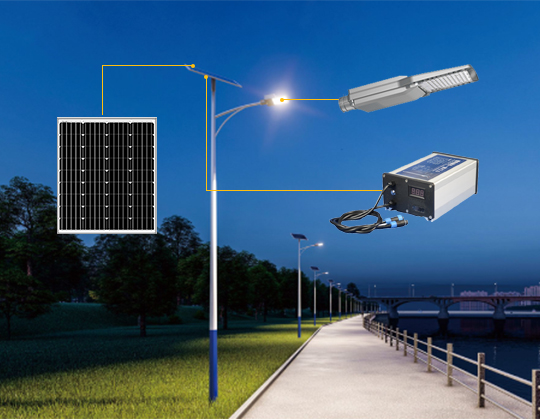
Solar street light batteries can be replaced, though the process differs based on design. All-in-one systems require removing the entire fixture, split systems involve accessing specific components, and two-body systems need partial disassembly. The procedure requires identifying battery type, disconnecting power, replacing the battery, and testing system operation.
I've replaced hundreds of solar street light batteries over the years, and understanding your specific system is crucial before beginning any replacement. Let me guide you through everything you need to know about solar light battery replacement.
Can Solar Light Batteries Be Replaced?
Many owners assume entire fixtures must be replaced when batteries fail, but this is rarely necessary if you understand your system configuration.
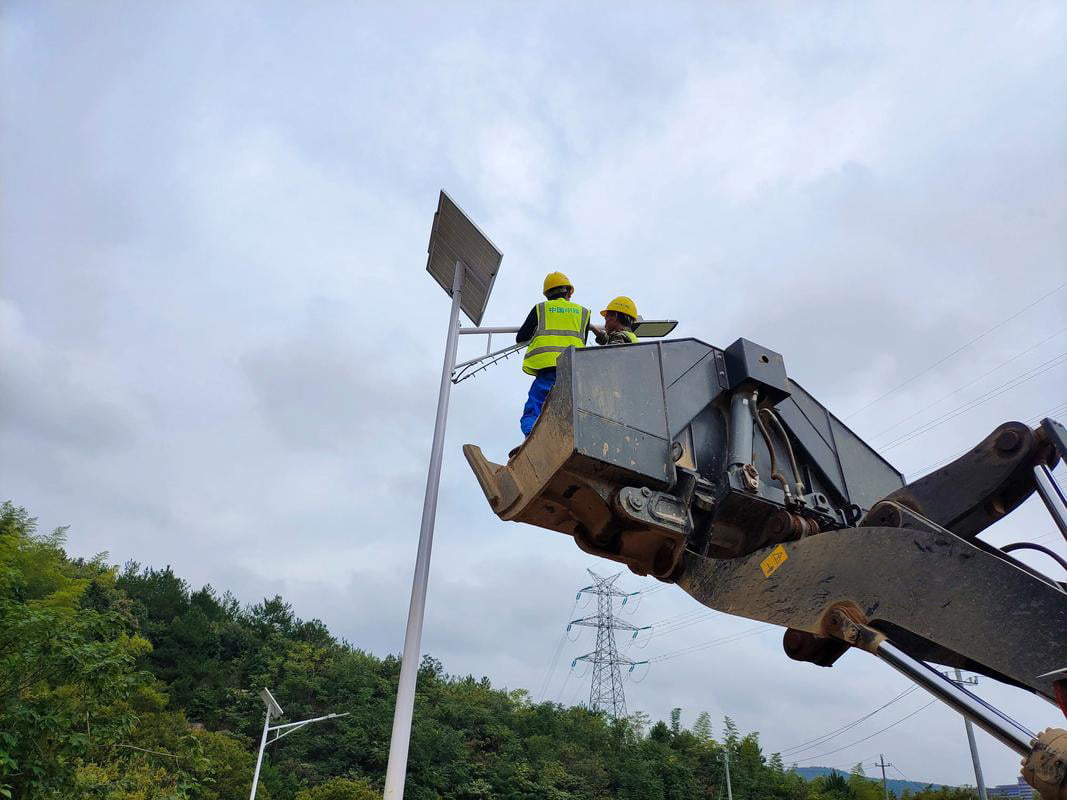
Yes, solar light batteries can be replaced in all system designs, though accessibility varies significantly. Split systems offer the easiest battery access, two-body designs require partial disassembly, and all-in-one integrated systems present the most challenges since all components are housed together.
The replacement difficulty depends largely on your solar street light design. For split systems, batteries are typically either ground-buried or pole-mounted. Ground-buried gel batteries require excavation for replacement, while pole-mounted lithium batteries are more accessible via maintenance doors or external housing. [1][2]
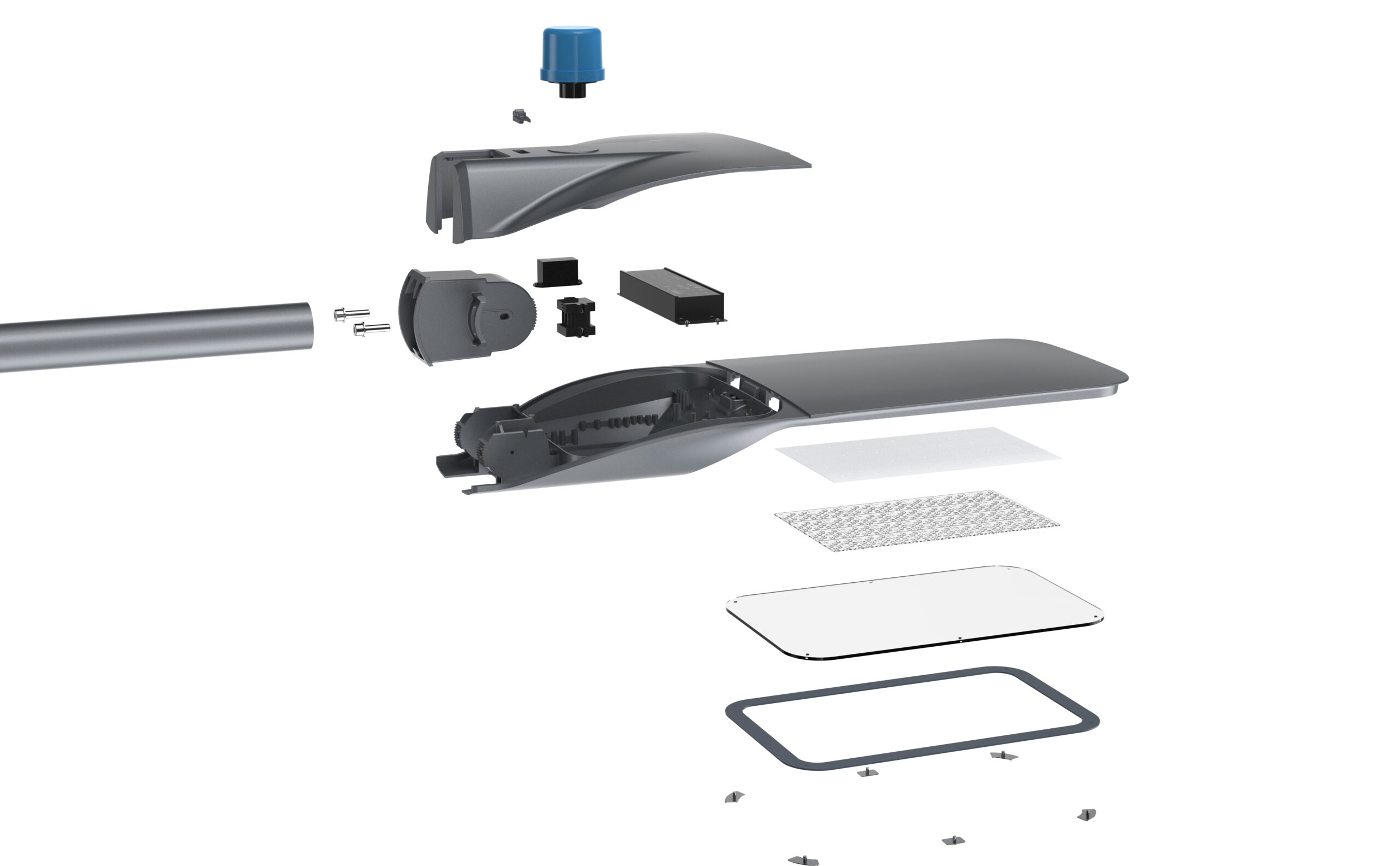
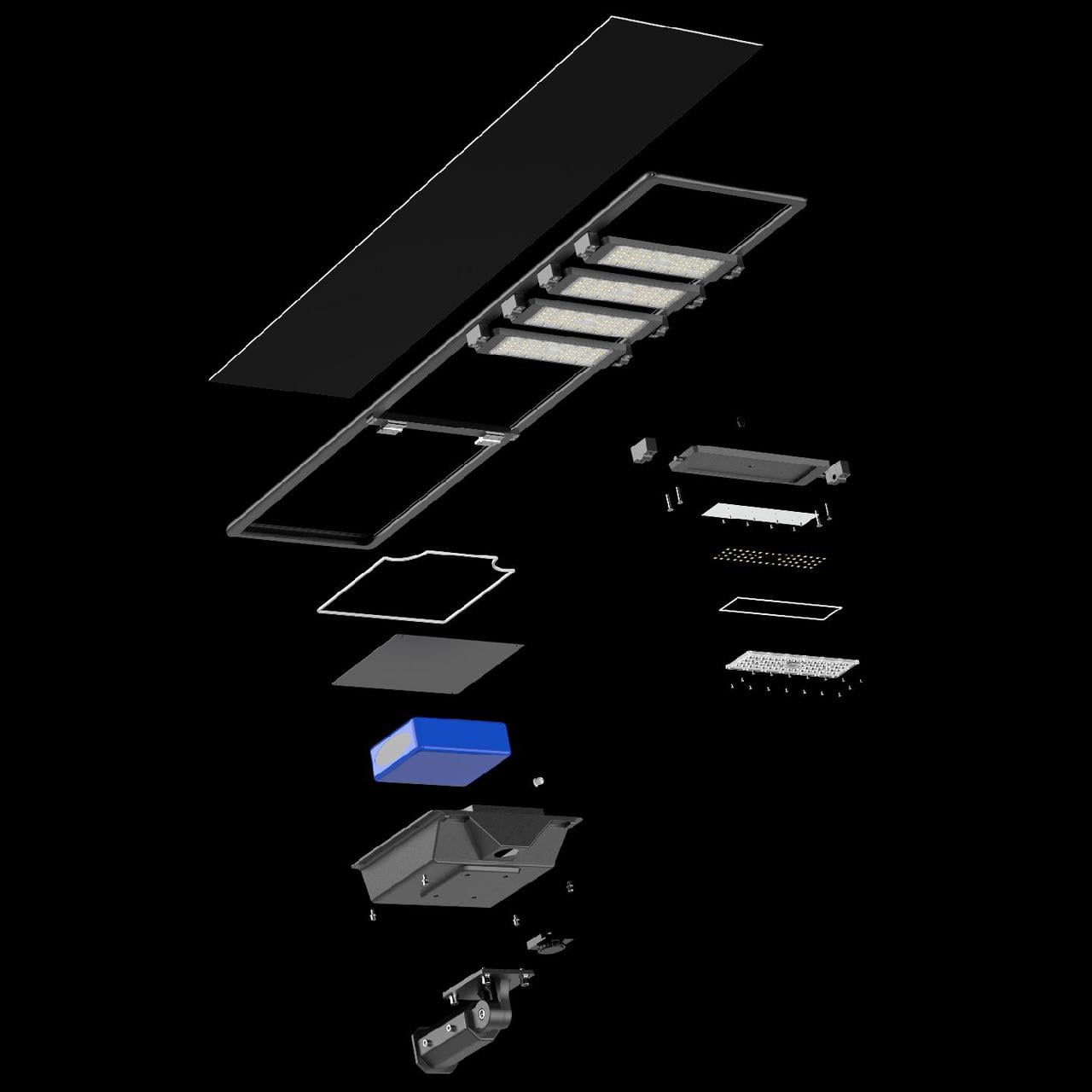
For two-body designs (where batteries, controller and light source are integrated into one unit with separate solar panels), the battery compartment is built into the light fixture. These systems use lithium batteries due to their compact size and lightweight characteristics. [3]
All-in-one designs present the greatest challenge since all components—including solar panels—are integrated. When battery replacement is needed, the entire unit often must be removed from the pole. [4]
I've found that understanding the wiring configuration before disconnecting anything is essential. Gel battery controllers typically have three sets of six wires corresponding to the solar panel, battery, and light source's positive and negative terminals. Incorrect connections can damage components or prevent proper operation. [1]
What Is the Lifespan of a Solar Street Light Battery?
Battery lifespan is a critical factor in maintenance planning and overall system cost-effectiveness.
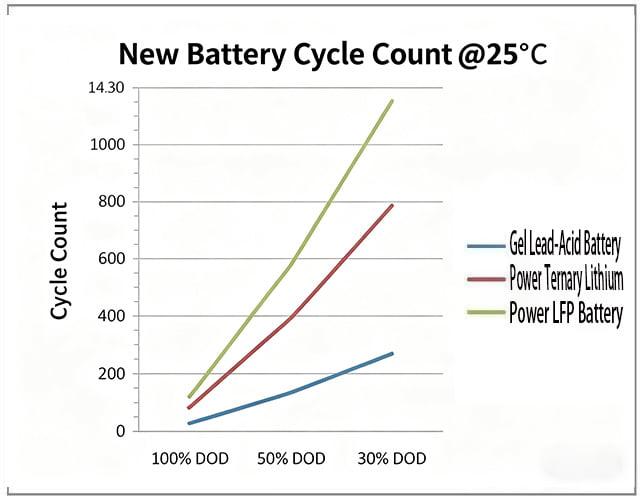
Solar street light batteries have varying lifespans depending on type: gel (lead-acid) batteries typically last 3-5 years with approximately 300 charge cycles at 70% discharge depth, while lithium batteries last 8-15 years with roughly 1000 charge cycles at 90-100% discharge depth. Environmental conditions, especially temperature extremes, significantly impact these estimates.
Temperature is particularly important for battery longevity. Gel batteries struggle in cold conditions when installed above ground but perform well when buried below the frost line where ground temperatures remain more stable. For installations in regions where temperatures consistently remain below -15°C, ground burial provides a more suitable operating environment for lead-acid batteries. [1][2]
Lithium batteries generally perform better in cold conditions, functioning properly down to approximately -10°C without special accommodation. [6] However, their protection circuits can be vulnerable to moisture unless properly sealed, making them less ideal for ground burial. [3]
When I evaluate systems for battery replacement, I consider installation date and performance history. Diminished capacity often presents as shorter operating times before the light dims or shuts off completely, particularly during consecutive cloudy days when charging is limited.
Is It Worth Replacing Rechargeable Batteries in Solar Lights?
The economics of battery replacement versus system replacement is a common consideration for solar street light owners.
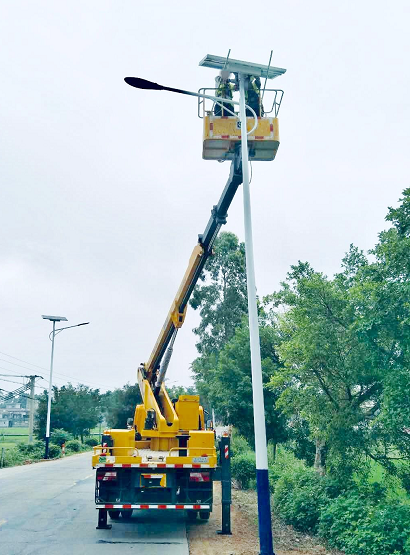
Replacing batteries in solar street lights is generally worthwhile, particularly for high-quality systems with functioning components. While lithium batteries cost 40-50% more than gel batteries initially, their longer lifespan (8-15 years versus 3-5 years), higher discharge depth (90-100% versus 70%), and reduced maintenance requirements often provide better long-term value.
For split systems, replacing just the battery preserves your investment in other components. Lithium batteries have significantly higher cycling capacity (approximately 1000 cycles compared to gel batteries' 300 cycles), meaning fewer replacements over the system's lifetime. [6]
Accessibility affects replacement costs significantly. Gel batteries typically require excavation for replacement, increasing labor costs. However, their metal content (lead) can be recycled, potentially offsetting some expense. [1] Pole-mounted lithium batteries avoid these excavation costs entirely.
The environmental impact is another consideration. Gel batteries contain lead and sulfuric acid that require professional recycling to prevent environmental contamination. These heavy metals pose significant pollution risks if improperly disposed of. [1] While lithium batteries also require recycling, they pose fewer immediate environmental hazards.
I've found that two-body and all-in-one systems present more challenging economic decisions since battery compartments are integrated into the fixture design. For these systems, battery replacement difficulty must be weighed against the cost of entire system replacement.
Can I Put Regular AA Batteries in My Solar Lights?
Many wonder if consumer batteries could serve as temporary replacements for specialized solar light batteries.
Regular AA batteries cannot replace dedicated solar street light batteries. Solar lighting systems utilize either gel (lead-acid) or lithium batteries with 12V rating and high amperage capacity (typically 48-60Ah). Consumer batteries lack sufficient capacity, voltage, and recharge capability to power street-scale lighting systems.
Solar street light batteries are specifically designed for deep cycling applications, allowing repeated discharge and recharge without significant degradation. These specialized batteries connect to charge controllers that regulate incoming power from solar panels and protect the batteries from overcharging or excessive discharge.
The physical size difference alone makes consumer batteries impractical—solar street light batteries are substantially larger to provide sufficient capacity. For example, a typical 12V 60Ah gel battery is approximately twice the volume and three times the weight of an equivalent capacity lithium battery, with both being many times larger than consumer batteries. [6]
When replacing solar street light batteries, use only those specified for your system. For split systems with gel batteries, ensure the replacement has compatible voltage and amperage ratings. For lithium battery systems, compatibility with the existing battery management system is essential to prevent damage and ensure proper charging.
In my installation work, I've seen that systems designed for lithium batteries typically include protection circuits and specialized connectors that prevent incorrect connections. These safety features are missing when attempting to use consumer batteries, potentially creating hazardous conditions. [1]
Conclusion
Replacing solar street light batteries requires understanding your specific system design, selecting appropriate battery types, and following proper installation procedures. With lifespans of 3-5 years for gel batteries and 8-15 years for lithium options, timely replacement maintains system performance while preserving your investment in other components.