You need to find a great street light manufacturer in China, but all you find are generic lists. This is confusing, and you don't know who to trust with your project and money.
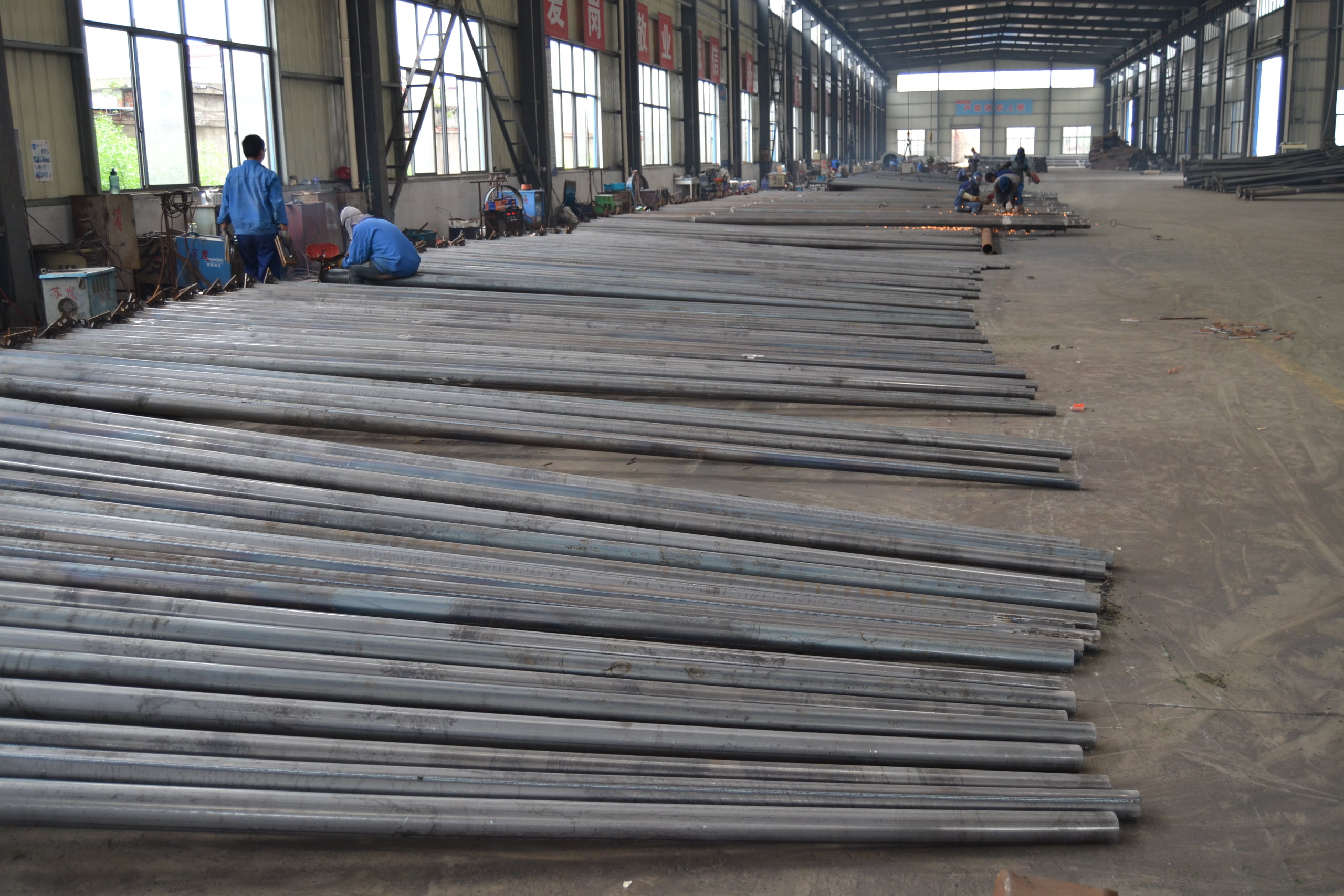
Instead of a simple list, the key is to understand what makes a manufacturer "top-tier." The best partners have strong R&D, international certifications like ISO9001 and CE, strict quality control processes, and a proven history of reliable service. They act as partners, not just suppliers.
When I first started in this industry, working on the factory floor, I thought the biggest names were always the best. But when I started my own trading company, I learned a more important truth: the "best" factory is the one that is best for your specific project. A list of ten names can't tell you that.
So, while I'm going to give you a list of the industry's big players to start with, the most valuable part of this article is the framework that follows. This is the insider knowledge that will help you evaluate these companies and find your own top manufacturer.
An Introduction to China's Top 10 Lighting Manufacturers?
You probably came here for a list of names to start your search, and it's helpful to know the major players. This list contains some of the biggest and most respected names in China's lighting and electrical industry.
Here is an introduction to 10 prominent lighting and electrical manufacturers in China. These brands are major forces in the industry. However, it is crucial to understand their specialties to see if they align with your needs as an international buyer looking for a direct factory partner.
As you can see, this list is diverse. It includes global giants, huge domestic brands, and major electrical component suppliers. These aren't all dedicated street light factories for export. Some focus on their own brand for the domestic market, while others are stronger in electrical parts than complete lighting systems. The sections that follow will teach you how to analyze this list and find a partner who is a perfect fit for your business model, not just a famous name.
- Philips Lighting (Signify): A leader in LED lighting technology, promoting the development of intelligent and connected lighting.
- Unilumin: Specializes in LED high-definition energy-saving display screens and lighting products, holding numerous patents.
- NVC Lighting: A leading brand in the Chinese lighting industry, focusing on commercial lighting and providing high-efficiency, energy-saving solutions.
- DELIXI: A Sino-French joint venture covering power distribution, industrial control automation, and home electricals.
- OPPLE Lighting: A high-tech enterprise involved in the R&D and production of LED and traditional light sources and fixtures.
- Yaming Lighting: A "China Time-Honored Brand" that integrates R&D, manufacturing, marketing, and engineering services.
- CHINT: Adheres to green and low-carbon development, deeply rooted in the low-voltage electrical industry for many years.
- Guangyu Lighting (GYLED): Focused on the research, development, and production of LED lighting products.
- Chengxu Electric: A high-tech enterprise whose products include road lighting fixtures, landscape lights, and more.
- Dingxin: An enterprise specializing in the R&D and manufacturing of outdoor lighting products, holding several national patents.
These brands have outstanding performance in the street light industry and are reliable choices.
What really defines a "top" partner for your business?
You see "top-rated" on every website, but what does it mean for you? Looking at the list above, you see global brands and huge industrial companies. How do you evaluate them and know who is truly the best partner for your project?
A top partner is defined by their commitment to quality, innovation, and support that matches your needs. This means they have in-house R&D teams, a multi-stage quality control (QC) system, and internationally recognized certifications like ISO9001 to prove their processes are sound.
The difference between a famous brand and a great OEM/ODM partner is what happens behind the scenes. This is how you should judge any company. Do they invest in research and development for the products you need? Or is their focus elsewhere? An R&D team means they can solve problems and create custom products. More importantly, their quality control must be relentless. It is not just a quick check at the end. It is a comprehensive process that ensures reliability in the field.
| Quality Control Stage | A Top Partner Does This | An Average Manufacturer Skips This |
|---|---|---|
| Incoming Materials | Tests all raw materials (aluminum, LED chips, drivers) before they enter production. | Trusts their supplier's specs without verification. |
| In-Process Checks | Has checkpoints on the assembly line to catch errors early. | Only checks the final product, meaning mistakes are missed. |
| Final Product Testing | Conducts aging tests (running the light for 24-48 hours) and waterproof tests on every light. | Does a quick "power-on" test for a few seconds. |
When you contact a manufacturer, ask them about these specific processes. Their answers will tell you more about their suitability as a partner than their famous name.
How do you verify a manufacturer's quality from afar?
You're thousands of miles away from China. You have a list of big names, but how do you know if their quality is real or if they are even the right type of company to work with? It feels like a big risk to send money.
You can verify any manufacturer remotely by asking for key documents, scheduling a live video factory tour, and always ordering a sample. These steps allow you to check their legitimacy, see their operations, and test the product quality yourself before placing a bulk order.
Trust is crucial, but you must always verify. First, ask for their business license, ISO9001 certificate, and product reports like CE or RoHS. A real factory provides these instantly. Next, tell them you want a video call to see their street light production. Some of the giants on the list are huge conglomerates; you need to see the actual division that makes the products you want. If they can't show you a dedicated street light assembly line, they may not be the direct manufacturer you're looking for. Finally, the most important step: order a sample. I never let a client place a large order without testing a sample first. The sample tells you everything about the build quality, materials, and performance. This is the ultimate test of any potential partner, big or small.
Should you choose a huge brand or a specialized factory?
As you research the list, you'll see huge brands like Philips and NVC, and more specialized companies. The giant factory seems reliable, but the specialist seems more focused. Which is better? Choosing the wrong type can cause big problems.
The right choice depends entirely on your project's needs. Huge brands are powerful but may not focus on OEM/ODM partnerships. Specialized factories are ideal for custom projects, lower order quantities, and when you need a more personal, collaborative relationship.
I've worked with both types extensively. Large, established brands have incredible distribution networks and R&D budgets. However, they are often focused on selling their own brand through their own channels. It can be difficult to establish a flexible OEM partnership with them. On the other hand, specialized street light factories thrive on flexibility and service for international clients. They are often more willing to work on custom designs (ODM) and accept lower Minimum Order Quantities (MOQs). When you call them, you might speak directly to the engineer. This access is invaluable for complex projects. I had a client who needed a historically styled street light. A large brand wasn't interested, but a specialized factory worked with us for weeks to perfect the design. Think about your project: do you need a supplier, or do you need a partner?
Conclusion
Finding a top manufacturer isn't about using a generic list of big names. It's about knowing how to analyze those names, verify their capabilities, and find the one that operates as your true project partner.