You might think a street light is just a light on a pole for a road. But this view is too simple. It makes you miss out on chances to increase safety, create beauty, and build smarter cities.
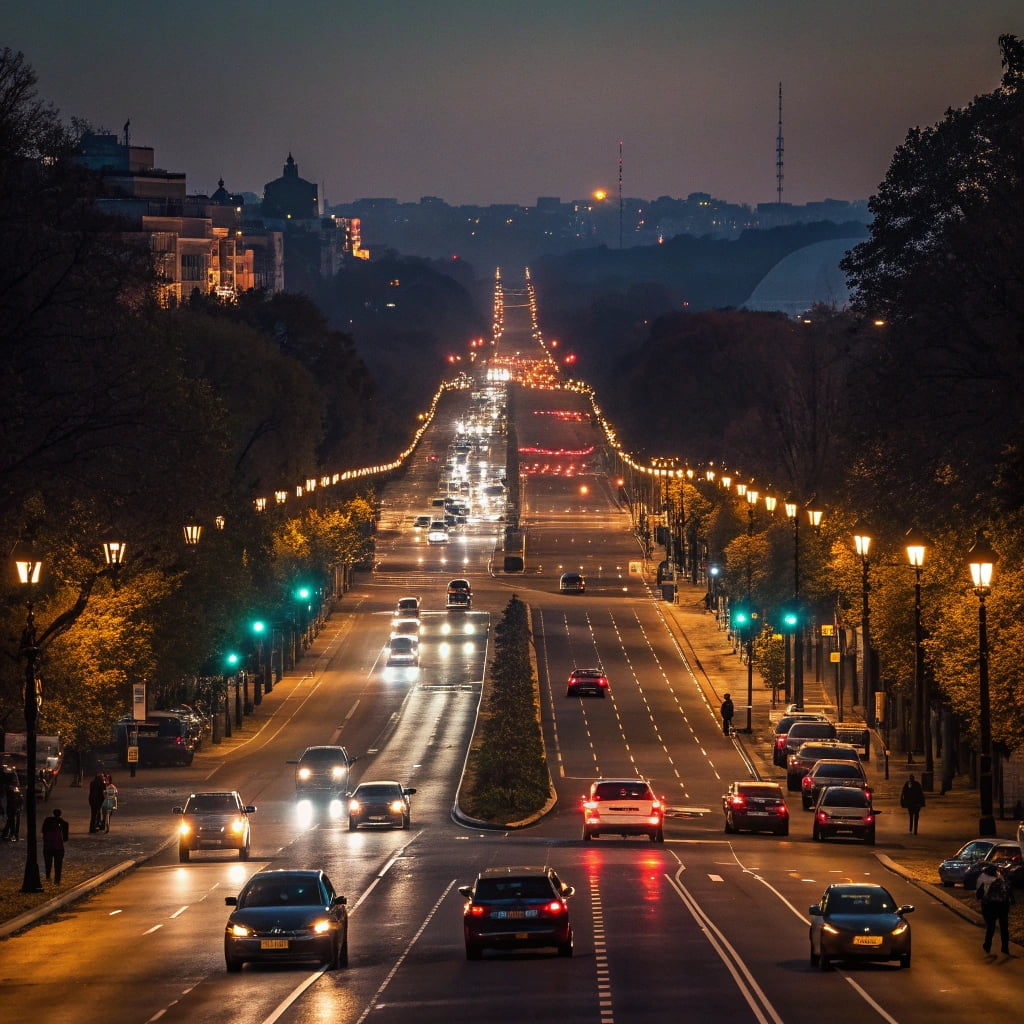
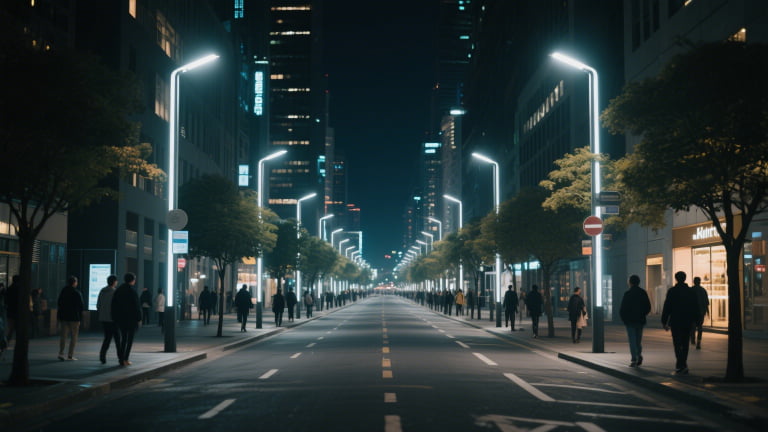
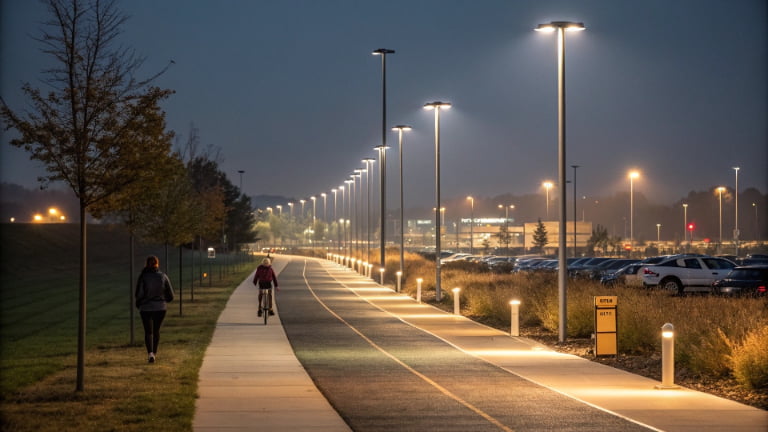
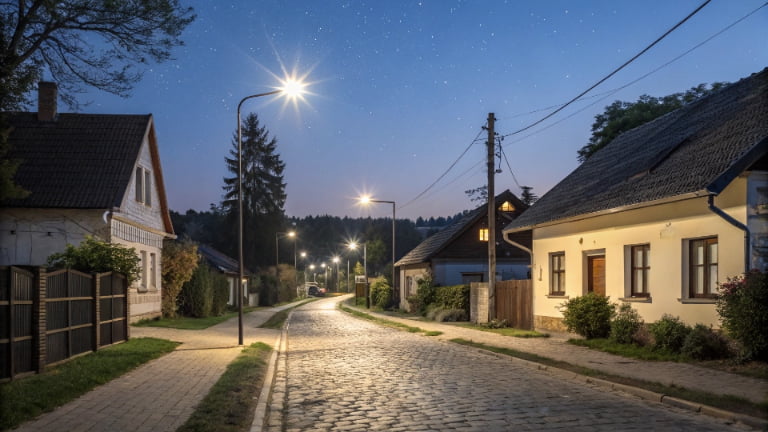
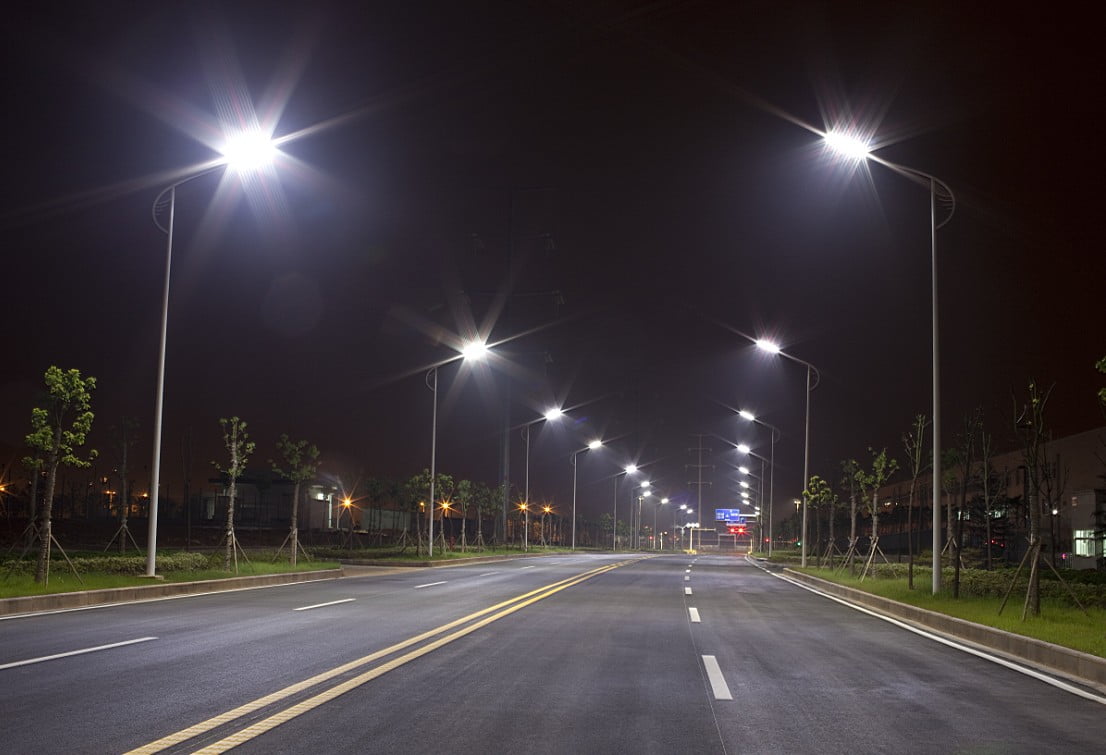
Street lights have many applications beyond roads. They provide security for public parks and parking lots, enhance architecture with aesthetic lighting, guide traffic on highways, and act as hubs for smart city technology like Wi-Fi, sensors, and cameras.
When I started my career on the factory floor, I saw a street light as just a product we had to assemble and test. We focused on lumens and wattage. But when I started my own trading company and saw these lights installed worldwide, my whole perspective changed. I saw them transform dark, unsafe alleys into welcoming paths. I saw them used to highlight the beauty of a historic bridge. This article isn't just about what street lights are; it's about what they can do for a community. Let's explore some of the deeper questions my clients often ask me.
What are the disadvantages of LED street lights?
Everyone talks about how great LED street lights are, and they are fantastic. But some clients feel hesitant when they hear about the potential downsides. Ignoring these can lead to project delays or choosing the wrong product.
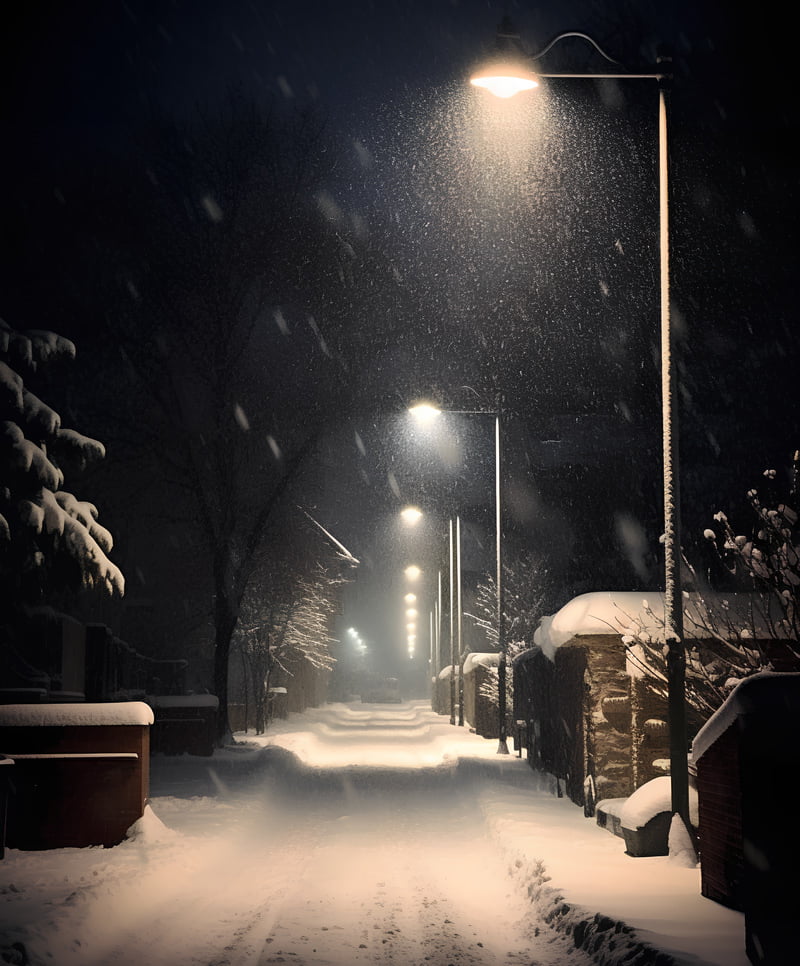
The main disadvantages of LED street lights are their higher initial purchase cost, sensitivity to high heat which can reduce their lifespan, the potential for glare and blue light pollution if not designed properly, and more complex repairs compared to older lamp technologies.
Let's break these down, because understanding them is key to making a good choice. The initial cost is the first hurdle for many clients. Yes, an LED fixture costs more upfront than an old high-pressure sodium (HPS) lamp. But I always tell them to look at the total cost over five years. The energy savings from LEDs are huge, often over 60%. Plus, they last so much longer that maintenance costs drop almost to zero. The initial investment is usually paid back in just a couple of years.
Heat sensitivity is a major factor that separates good manufacturers from bad ones. I learned this on the factory floor. LEDs don't produce infrared heat like a bulb, but the electronic components get hot. Without a well-designed heat sink to pull that heat away, the LED chips will degrade and fail early. This is the biggest reason cheap, no-name lights don't last. Always ask a supplier about their thermal management design.
Finally, there's glare and blue light. Early LEDs were often very "cool" white (5000K or more), which can be harsh and disrupt human sleep and wildlife. Today, the industry standard is moving towards warmer temperatures like 3000K or 4000K. Good optics are also crucial to direct light onto the ground where it's needed, not into people's eyes.
What are the applications of LED lights?
You see LED technology in modern street lights, but that is just the beginning. Thinking of LEDs as just a replacement for old bulbs is a missed opportunity. Their unique features open up a whole new world of possibilities.
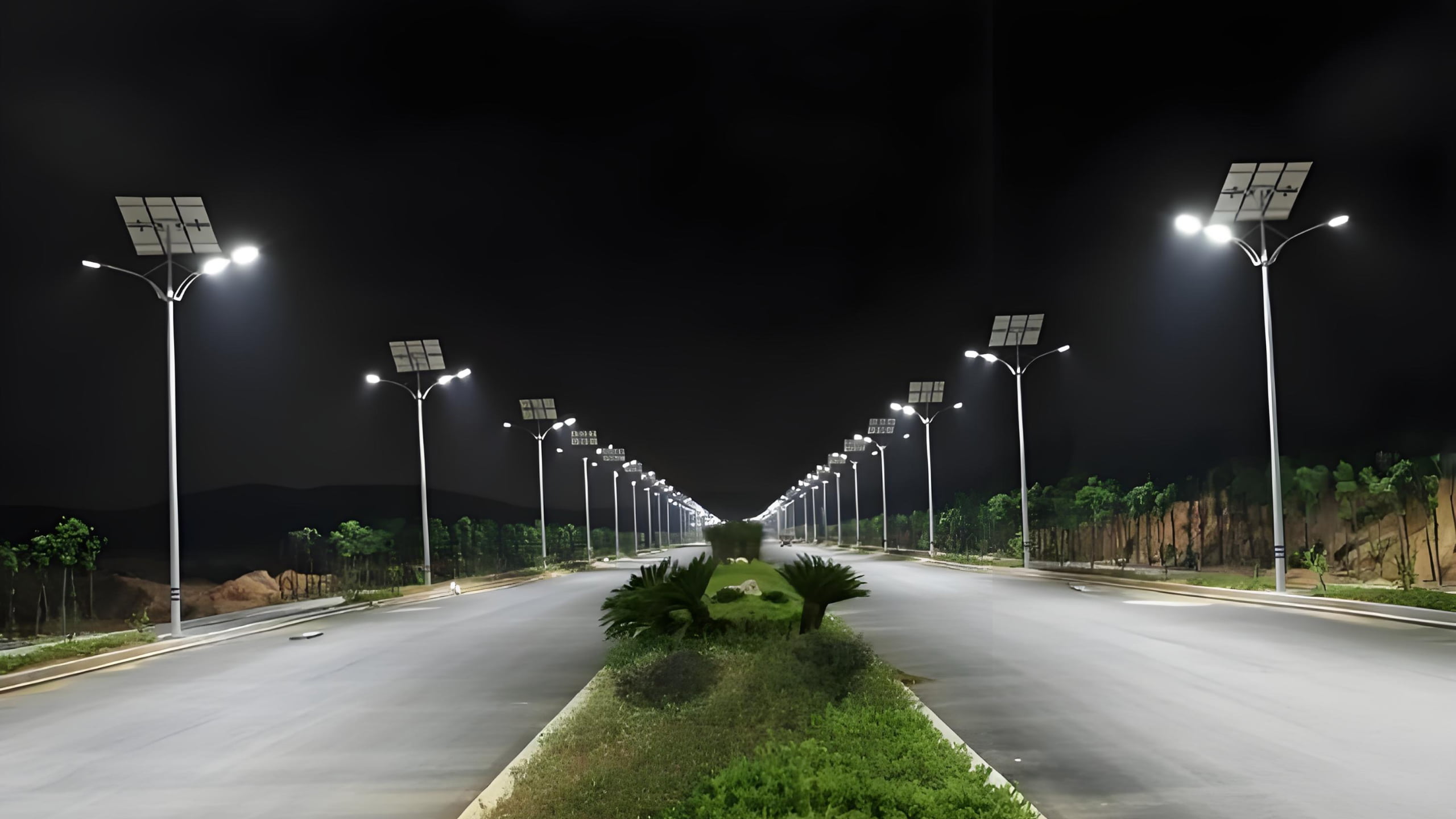
The applications of LED lights go far beyond simple illumination. Their digital nature allows for smart city integration with sensors and cameras, dynamic architectural and landscape lighting with color-changing abilities, and high-performance lighting for specialized areas like tunnels and sports stadiums.
The true power of the LED is that it's a piece of electronics, not just a light source. This is what unlocks its most exciting applications. The biggest trend I see with my clients is the move toward Smart City Integration. The street light pole is becoming a very valuable piece of city infrastructure. Because LEDs are low-power and digitally controlled, it's easy to add other technologies to the same pole. I have helped clients spec out projects that include:
- Public Wi-Fi Hotspots: Providing internet access in public squares.
- Environmental Sensors: Monitoring air quality, temperature, and noise levels.
- Security Cameras: Integrated directly into the light pole for a cleaner look and easier installation.
- EV Charging Stations: Using the existing electrical infrastructure of the pole to power electric car chargers.
Another huge area is Architectural and Landscape Lighting. Old lamps were big and clunky. LEDs are tiny. This means you can build them into very small, discreet fixtures. You can use them to "wash" a building's facade with light, light up a narrow garden path, or create beautiful scenes in parks. Because you can also get them in any color (RGB or RGBW), you can create dynamic light shows on bridges or buildings for holidays and special events. This was simply not possible before LEDs.
| LED Feature | Enabled Application | Benefit for a City |
|---|---|---|
| Digital Control (DALI/0-10V) | Smart Dimming, Remote Management | Massive energy savings, reduced maintenance |
| Compact Size | Architectural Lighting, Pathway Lights | Enhanced aesthetics, improved safety in parks |
| Full Color Spectrum (RGBW) | Bridge & Facade Illumination | Increased tourism, city beautification |
| Low Power Draw | Integration of Cameras, Wi-Fi, Sensors | Smart city capabilities on existing infrastructure |
How many lumens do I need for a street light?
This is one of the most common and important questions I get. Choosing the right lumen output feels like a guess, but if you get it wrong, you either create unsafe dark spots or waste a lot of money and energy.
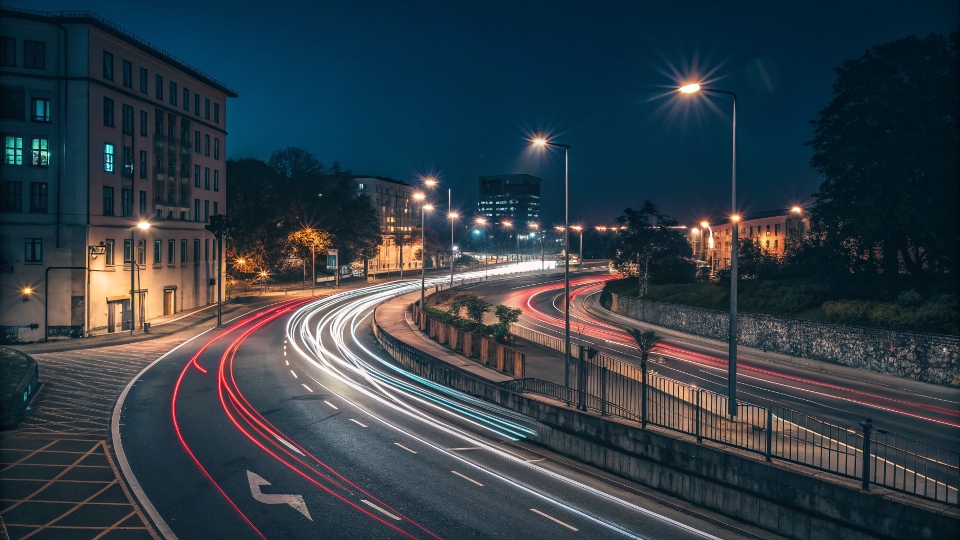
The required lumens for a street light depend entirely on the application. A residential street may only need 5,000 to 10,000 lumens per fixture, while a major highway or intersection could require 25,000 to 40,000 lumens. Key factors are pole height, pole spacing, and road width.
There is no single correct answer for lumens. A good supplier should not just sell you a light; they should ask about your project to help you choose the right one. When a client asks me this question, I always ask them for more details. The most important factors are:
- Application Type: What are you lighting? A quiet residential street needs a much lower light level (lux) than a busy commercial road or a highway interchange. Parking lots and pedestrian pathways have their own standards.
- Pole Height: The taller the pole, the more lumens you need to get enough light down to the ground. A light on a 6-meter pole might only need 8,000 lumens, but the same application with a 12-meter pole might need 20,000 lumens or more.
- Pole Spacing: The further apart your poles are, the more powerful each light needs to be to illuminate the area in between without creating dark spots.
It's also about more than just raw lumens. The optics, or lens of the light, is just as important. The lens shapes the light and directs it. A Type II lens is for long, narrow roads, while a Type III lens pushes light further forward to cover a wider street. I once had a client who bought very high-lumen lights but with the wrong optics. They ended up with bright spots directly under the poles and darkness in between. We fixed it with a lower-lumen light that had the correct lens, which spread the light evenly and saved them money.
Here is a very general guide:
| Application | Typical Pole Height | Common Lumen Range |
|---|---|---|
| Pedestrian Paths / Parks | 4m - 6m (13-20 ft) | 4,000 - 8,000 lm |
| Residential Streets | 6m - 8m (20-26 ft) | 8,000 - 15,000 lm |
| Collector Roads / Urban Streets | 8m - 10m (26-33 ft) | 15,000 - 25,000 lm |
| Major Roads / Highways | 10m - 12m+ (33-40 ft+) | 25,000 - 40,000+ lm |
How much area will 1000 lumens light up?
People often try to understand lumens by relating them to a specific area, but the number "1000 lumens" can be misleading. You can't visualize what it means for your space without more context.
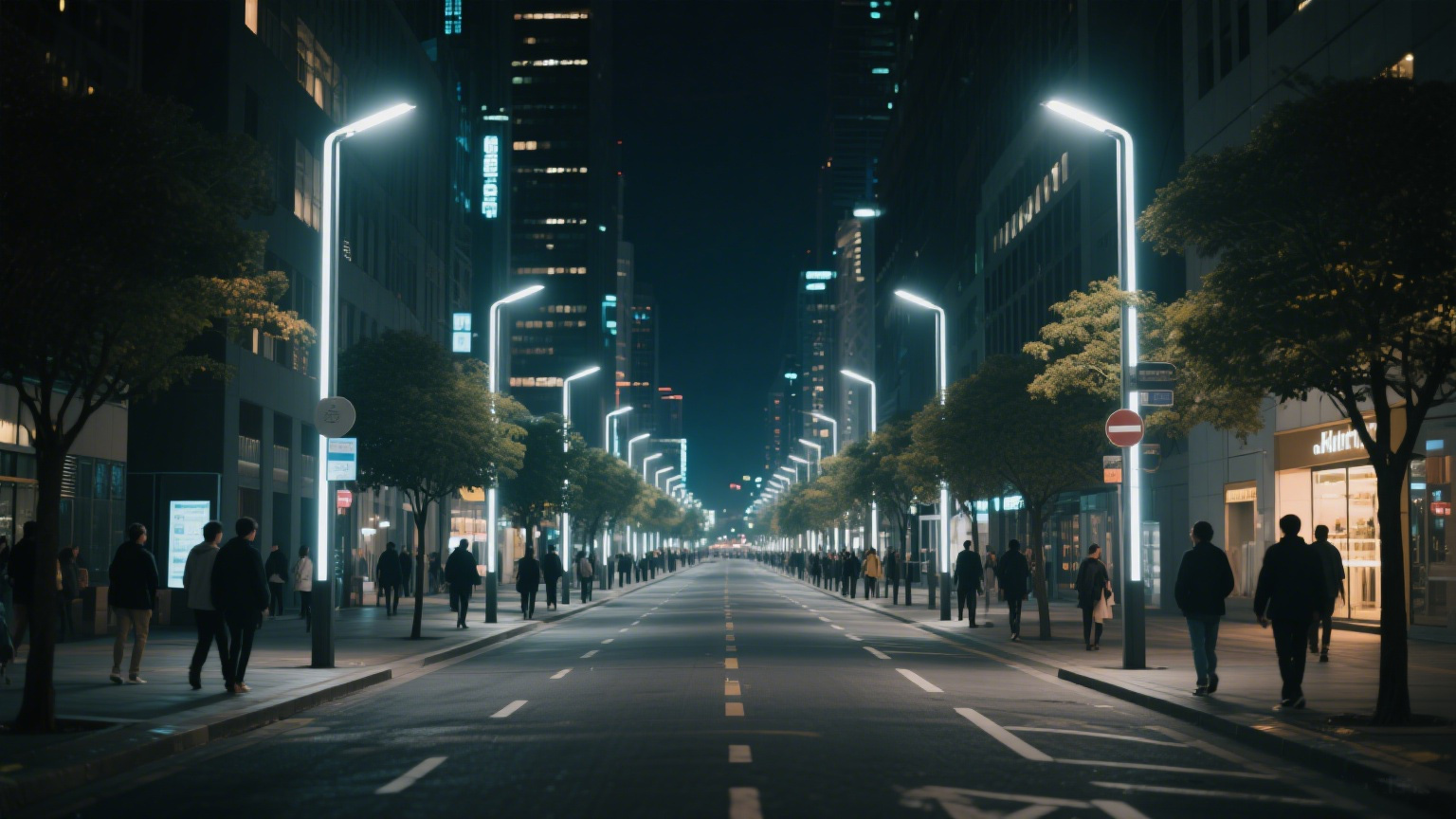
1000 lumens is insufficient for any true street lighting. It is roughly the brightness of a 75-watt incandescent bulb and might adequately light a very small area like a doorway or a few steps (about 5-10 square meters) to a safe level from a low height.
This question highlights the difference between lumens and lux. Lumens is the total amount of light a source produces. Lux is the amount of that light that actually lands on a surface (1 lux = 1 lumen per square meter). The amount of area 1000 lumens can light up depends entirely on how high you mount the light and how much you spread the beam.
Think of a flashlight. If you focus the beam into a tiny, tight circle, that circle is intensely bright (very high lux). If you widen the beam to light up a whole wall, the wall is only dimly lit (very low lux). In both cases, the flashlight is producing the same number of lumens. The same principle applies here. If you mount a 1000-lumen light 3 meters high, it might light a small circle on the ground to a decent brightness. If you mount that same light on a 10-meter street light pole, the light reaching the ground will be so spread out and faint that it would be practically useless and unsafe.
To put it into perspective, a residential street typically requires an average of 10-15 lux on the road surface. Let's say the area between two poles is 30 meters long and the road is 7 meters wide. That's 210 square meters. To achieve 15 lux, you need:
210 m² x 15 lux = 3,150 lumens
That's over 3,000 lumens that need to reach the ground. Since you lose some light to the air and optics, the fixture itself would need to be much higher, probably around 5,000-8,000 lumens. This simple calculation shows why 1,000 lumens is fine for a porch light, but it's not nearly enough for a street light.
Conclusion
Street lights do much more than just light up roads. Understanding their diverse applications, technical details like lumens and lux, and potential drawbacks helps you plan projects that are safer, smarter, and more beautiful.