What is All in One Solar Street Light?
Traditional street lighting installation is complex and expensive. Many projects struggle with wiring costs, trenching expenses, and ongoing electricity bills—especially in remote areas where grid access is limited or non-existent. These challenges often delay infrastructure projects and increase long-term operational costs for communities and local governments.
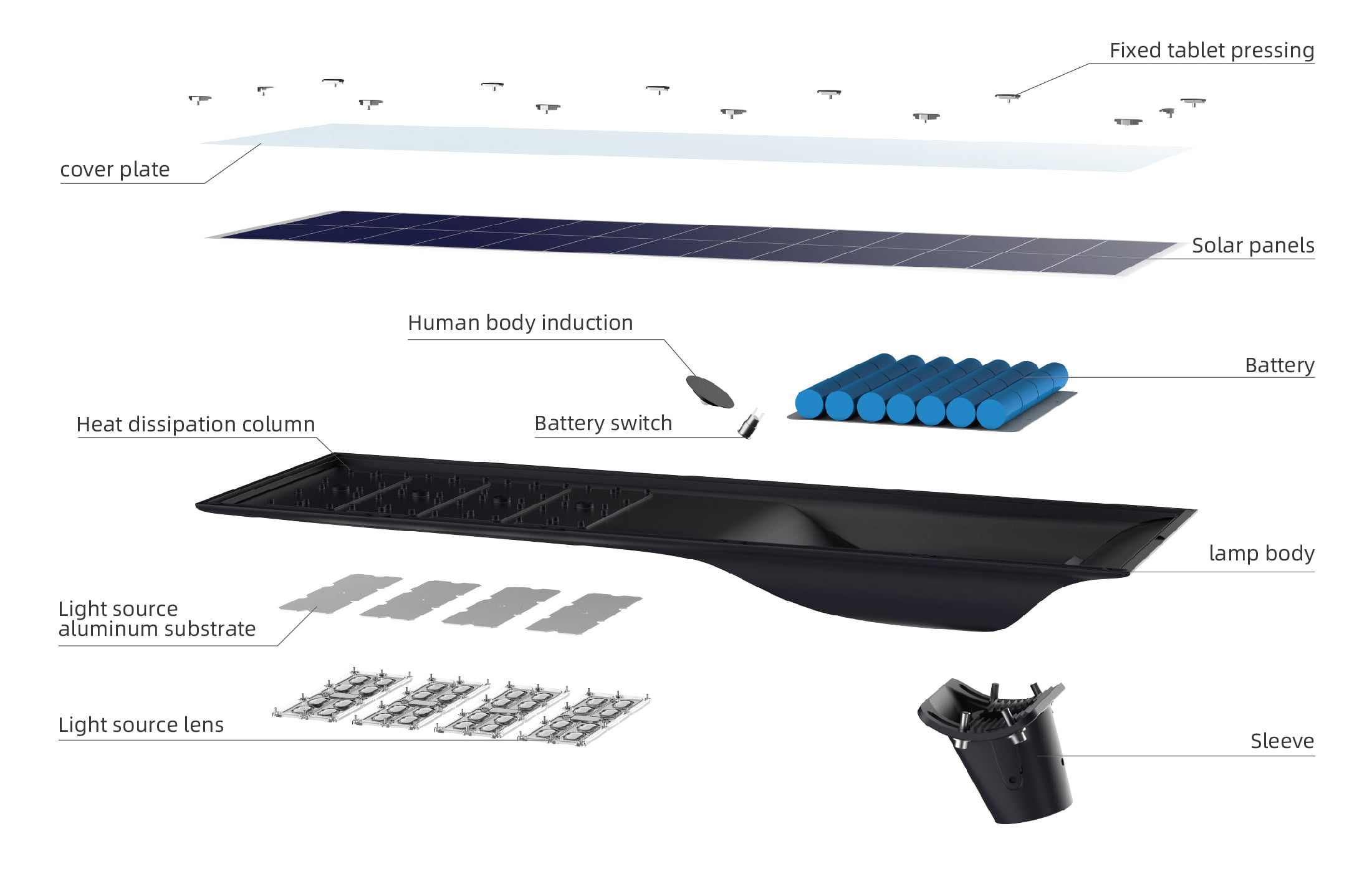
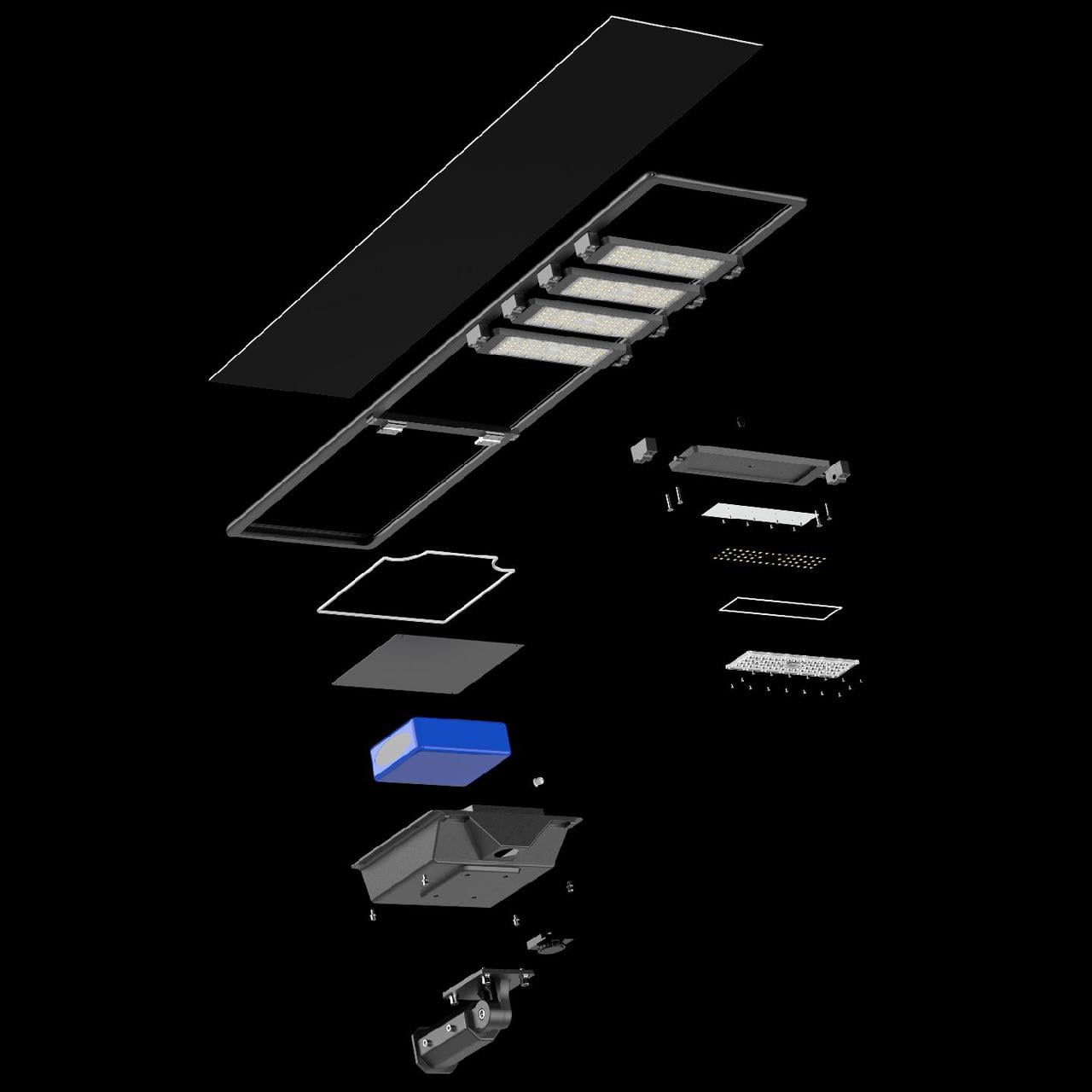
An all-in-one solar street light integrates solar panels, battery storage, controller, and LED light into a single compact unit. This self-contained system operates independently by converting sunlight to electricity during the day and providing illumination at night. Unlike traditional grid-tied lights, it requires no connection to municipal power, eliminating monthly electricity fees and the need for extensive wiring.
When I first encountered these systems, I was skeptical about their performance—worried that combining all components into one unit might compromise efficiency or durability. However, after seeing them successfully deployed across various environments, from rural villages in Southeast Asia to suburban parks in North America, I've gained appreciation for their design. Let's explore what makes them special and how they address common pain points in lighting projects.
One of the biggest advantages of all-in-one solar street lights is their simplicity. For small-scale projects—like lighting a community park or a rural village road—they eliminate the need for hiring specialized electricians or coordinating with utility companies. This not only speeds up installation but also reduces labor costs by 30-50% compared to traditional street lights. I’ve worked with local governments in Africa where a team of 2-3 people with basic hand tools installed 50 all-in-one units in just two days—something that would take a week or more with split-type solar systems.
Another key benefit is their portability. Because all components are housed in a single fixture, all-in-one lights are easier to transport to remote locations. In regions with poor road infrastructure, where large solar panels or battery boxes might be difficult to move, these compact units can be carried by truck, boat, or even on foot to hard-to-reach areas. This flexibility has made them a go-to solution for emergency lighting—such as after natural disasters when grid power is knocked out and communities need immediate illumination for shelters, medical facilities, or relief distribution points.
Core Differences Between All-in-One Solar Street Lights and Regular Solar Street Lights?
The main difference is in component integration. All-in-one systems house solar panels, batteries, controllers, and LEDs in a single fixture, creating a plug-and-play solution. In contrast, regular (split-type) solar street lights separate these components: solar panels are mounted on independent brackets or poles, batteries are stored in separate boxes (often buried or mounted on poles), and controllers may be installed in a third location—requiring wiring between each part.
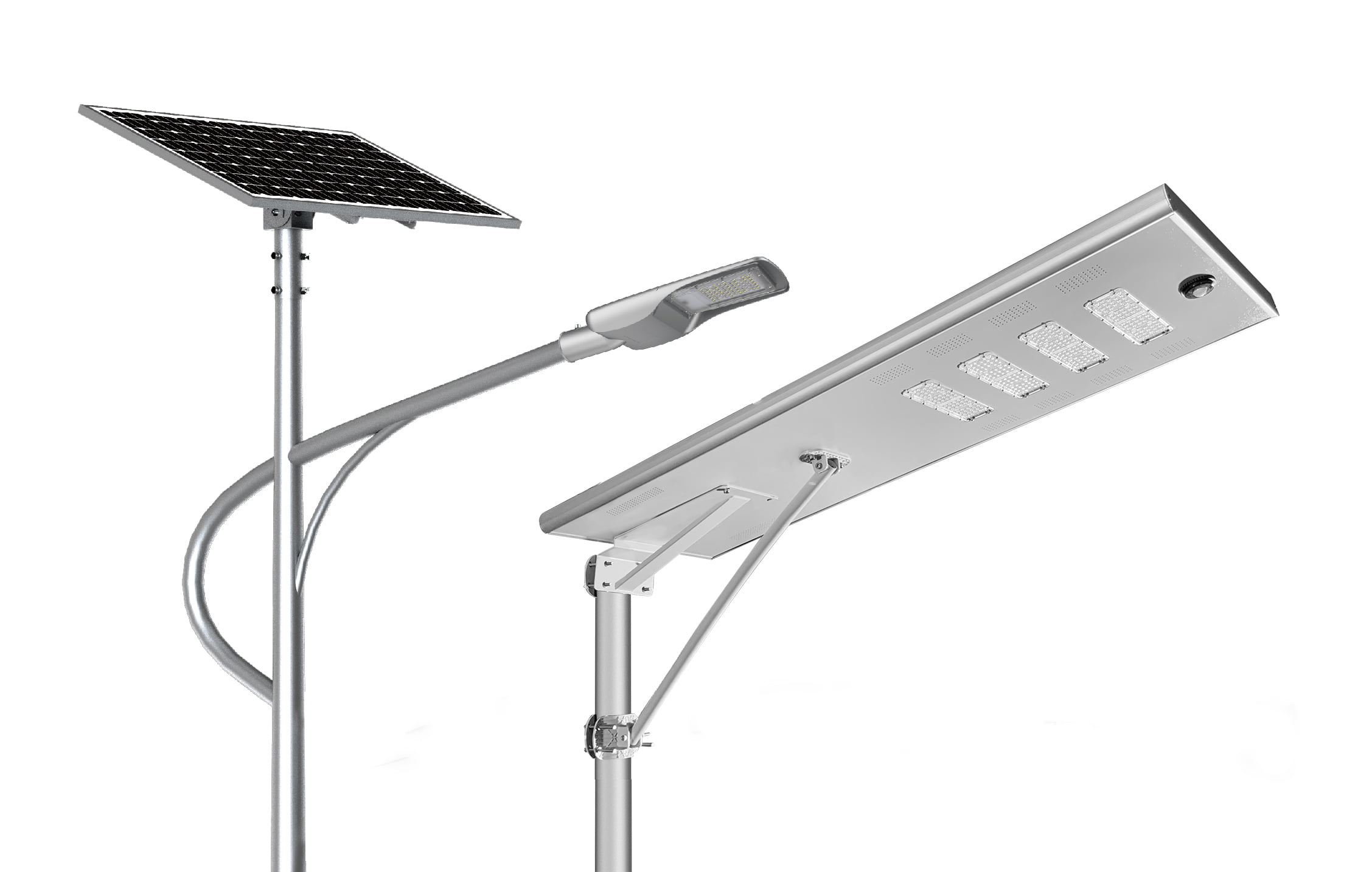
This design distinction creates several practical differences: all-in-one lights require no wiring, install faster, and ship more compactly. However, their fixed panel position cannot be optimized for sun exposure, and component sizes are limited by the housing dimensions. Split systems, while more complex to install, let you adjust panel tilt for maximum sunlight capture and use larger batteries for longer backup times—critical in areas with frequent cloudy weather.
I recently shipped 200 all-in-one units to a remote location in East Africa, where transportation space was limited. The units fit in half the container space needed for split systems, cutting shipping costs by 40%. On-site, the installation team finished the project in just three days without hiring electricians—simply mounting each unit on pre-installed poles and activating the controller with a single button. In comparison, a similar-sized split-system project in the same region took two weeks to complete, with most of the time spent running wires between panels, batteries, and lights.
But this integration has tradeoffs. The fixed solar panel on most all-in-one models maintains only about 15 degrees of tilt, while optimal angles in mid-latitude regions (like parts of China or the U.S.) should be 30-45 degrees to capture sunlight. This positioning can reduce charging efficiency by 30-50% during winter months when the sun is lower in the sky. Road orientation affects performance too: on east-west roads, panels might adequately face the equator, but on north-south roads, panels end up facing east or west—further compromising efficiency by missing peak sunlight hours.
Split systems also offer more flexibility in component sizing. If a project requires longer backup time (e.g., 7+ days of cloudy weather), you can install a larger battery bank with a split system—something that’s not possible with all-in-one units, where battery size is limited by the fixture’s housing. For high-traffic roads that need brighter light (2000+ lumens), split systems can accommodate higher-wattage LEDs and larger solar panels to power them, while all-in-one units typically top out at 1500 lumens due to space constraints.
How the Intelligent Control System of All-in-One Solar Street Lights Works?
The intelligence built into these systems makes them adaptable to varying weather conditions and usage needs— a key advantage over basic solar lights that only turn on/off based on light levels. This adaptability ensures that the lights remain functional even when sunlight is limited, and that energy is not wasted during low-traffic hours.
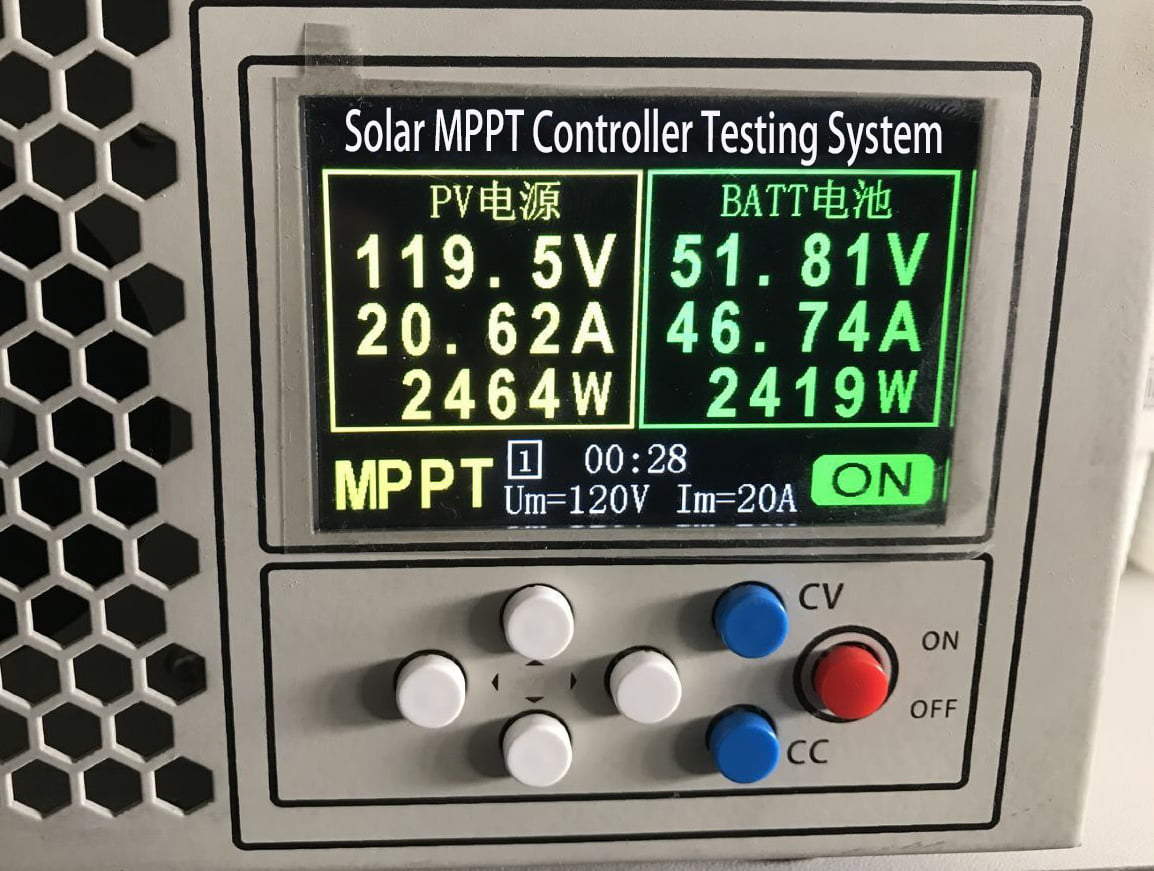
The controller manages energy flow between components, offering multiple operating modes: constant brightness, time-controlled dimming, motion sensing, and emergency power conservation during extended cloudy periods. Modern systems use MPPT (Maximum Power Point Tracking) technology to maximize solar charging efficiency—this adjusts the voltage and current from the solar panel to capture the maximum possible energy, even when sunlight is weak. MPPT controllers are a significant upgrade from older PWM (Pulse Width Modulation) controllers, increasing charging efficiency by 15-30%—a big difference in regions with limited daily sunshine.
Advanced controllers also protect batteries by preventing harmful deep discharges (which shorten battery life) and overcharging (which can cause overheating or damage). For example, if the battery drops below 20% capacity, the controller automatically dims the LED to 50% brightness, ensuring the light stays on for essential use rather than shutting down completely. This adaptability ensures continued operation even after 3-5 consecutive cloudy days—critical for regions with unpredictable weather, like monsoon-prone areas in South Asia.
Most systems include motion detection to conserve energy, though these sensors often have limited range (5-8 meters) due to cost constraints. The typical setup: lights operate at 30-40% brightness during low-traffic hours (like 10 PM to 5 AM), then increase to full brightness for 30-60 seconds when the sensor detects nearby movement (such as a pedestrian, cyclist, or car). This balances safety and energy efficiency—avoiding waste while ensuring visibility when needed. I’ve had clients in residential areas report that this mode cuts energy usage by 40% compared to keeping lights at full brightness all night, extending battery life and reducing the need for frequent charging.
Many newer models include remote monitoring capabilities via Bluetooth or cellular connectivity. This allows operators to check battery status, energy production, and fixture health from a central location or mobile app. For example, a city maintenance team can receive alerts if a light’s battery is failing or if the solar panel is covered in dust—enabling proactive repairs instead of waiting for residents to report outages. Some systems even let you adjust operating modes remotely: if a park hosts a night event, you can temporarily disable dimming to keep lights at full brightness for the duration, then switch back to energy-saving mode afterward. This level of control was unheard of in basic solar lights just a few years ago and has made all-in-one systems more versatile for dynamic use cases.
Service Life and Maintenance Key Points of All-in-One Solar Street Lights?
Understanding maintenance requirements and service life helps set realistic expectations about long-term costs— a critical factor for budget-conscious projects, such as those funded by local governments or non-profits. Unlike traditional street lights, which may require regular bulb replacements or wiring repairs, all-in-one solar systems have fewer moving parts, but their integrated design means that component failures can be more impactful if not addressed proactively.
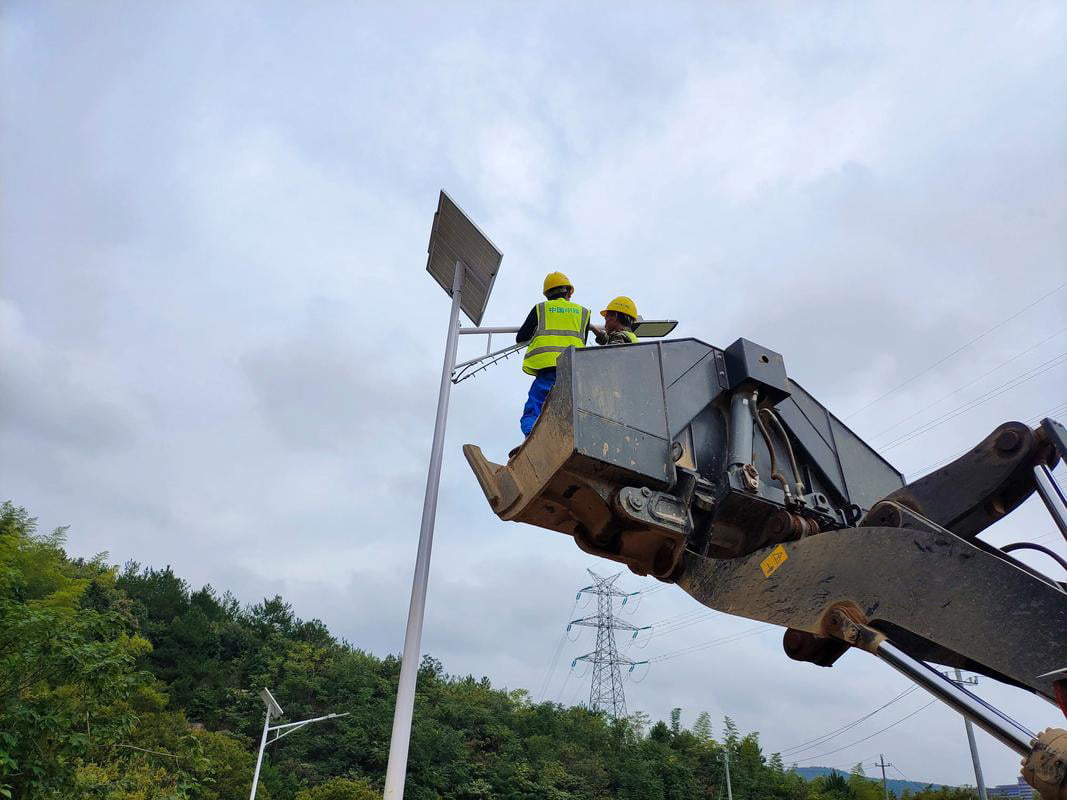
All-in-one solar street lights typically last 5-8 years as a system, with components having different lifespans. Batteries usually need replacement first (3-5 years), while LED modules last 50,000+ hours (equivalent to 5-7 years of daily use). Maintenance primarily involves panel cleaning and checking seals for water intrusion—tasks that can be done with basic tools and minimal training. This longevity makes them a cost-effective choice over time, especially when compared to traditional lights that may need bulb replacements every 1-2 years and incur ongoing electricity costs.
The integrated design presents unique maintenance challenges. When a component fails (e.g., a dead battery or faulty LED), removing the entire unit is often necessary—unlike split systems where you can replace just the faulty part without taking down the whole fixture. This increases service costs over time, especially for lights mounted on tall poles (8+ meters) that require lift equipment. To mitigate this, some manufacturers design all-in-one units with removable battery compartments: instead of taking down the entire light, you can open a hatch on the fixture to swap out the battery—cutting maintenance time by 60% and reducing the need for specialized equipment. I always recommend checking for this feature when selecting a model, as it can save significant time and money over the system’s lifespan.
Battery replacement is inevitable despite manufacturer claims of "10-year life." The type of battery matters: lithium-ion batteries (common in high-end models) last 4-5 years, while lead-acid batteries (used in budget units) may only last 2-3 years—especially in hot climates where high temperatures accelerate degradation. For example, in desert regions like the Middle East, lead-acid batteries in all-in-one lights often need replacement after just 18 months, while lithium-ion batteries still perform well after 4 years. I always advise clients to factor battery replacement costs into their long-term budget: a typical lithium-ion battery for an all-in-one light costs $50-$100, and replacing 100 units every 4 years adds up to $5,000-$10,000— a small price to pay for continued functionality, but one that should be planned for.
Regular panel cleaning is another key maintenance task. Dust, dirt, bird droppings, or leaves on the solar panel can decrease efficiency by 5-25% depending on local conditions. In dry, dusty regions (like parts of the Middle East or Western U.S.), panels should be cleaned every 2-3 months; in rainy areas, seasonal cleaning (2-3 times a year) is usually enough. A simple wipe with a damp cloth and mild detergent is sufficient—no special equipment needed. I’ve seen projects where regular cleaning improved energy production by 20%, extending battery life and reducing the need for emergency dimming during cloudy days. It’s a small task, but one that has a big impact on overall performance.
Water intrusion causes most premature failures. All-in-one units rely on seals to keep rain, snow, and moisture out of the internal components (battery, controller, LED). Over time, these seals can degrade due to UV exposure or temperature fluctuations. I always examine housing design for proper seals and drainage: an IP65 rating is the minimum (protects against dust and low-pressure water jets), but IP67 provides better long-term protection (can withstand temporary submersion in water—useful in flood-prone areas). During inspections, check for signs of water damage (e.g., rust, foggy LED covers, or a swollen battery) and replace seals if they show cracks or wear. Catching water intrusion early can prevent costly component failures— a swollen battery, for example, can damage the controller if not replaced, leading to a complete system failure that costs 3-4 times more to fix than a simple seal replacement.
Development Potential of All-in-One Solar Street Lights in Smart Cities?
All-in-one solar lights are evolving beyond simple illumination—they’re becoming multi-functional nodes in smart city infrastructure. Their strategic placement (along roads, in parks, and in public squares) and independent power supply make them ideal for hosting additional technology without relying on the grid. This transformation is turning basic lighting fixtures into "smart poles" that contribute to urban sustainability, safety, and connectivity—key goals for modern cities looking to reduce their carbon footprint and improve quality of life for residents.
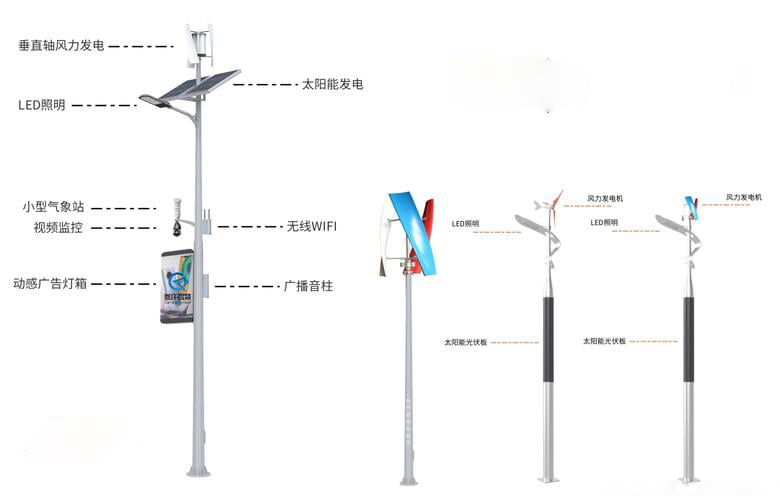
Advanced models now incorporate environmental sensors, traffic monitoring, Wi-Fi hotspots, security cameras, and emergency communication systems. Their strategic positioning throughout urban areas makes them ideal platforms for smart city technology deployment—turning a basic lighting fixture into a "smart pole" that collects data, improves connectivity, and enhances public safety. This integration is cost-effective because it leverages existing infrastructure (the light pole) instead of building new poles for each smart device—reducing installation costs by 50-70% compared to deploying standalone sensors or cameras.
I recently completed a project with a mid-sized city in Europe where 200 all-in-one solar lights were equipped with air quality sensors (measuring PM2.5, CO2, and ozone levels) and temperature/humidity monitors. The data is sent to a city dashboard and made accessible to residents via a mobile app—helping people make informed decisions about outdoor activities (e.g., avoiding parks on high-pollution days) and allowing city officials to identify pollution hotspots and adjust policies (like restricting traffic in certain areas). The lights also include Wi-Fi hotspots, providing free internet access in public spaces—benefiting residents without home internet and boosting tourism in downtown areas by letting visitors stay connected while exploring.
Other applications include traffic monitoring: cameras mounted on all-in-one lights can track vehicle and pedestrian flow, helping cities optimize traffic signals and identify congested areas. For example, a city in Asia used this data to adjust the timing of traffic lights on a busy road, reducing commute times by 15% during rush hour. In residential neighborhoods, motion-activated security cameras on the lights deter vandalism and theft—with footage accessible to local police if an incident occurs. Some models even include emergency call buttons: if a pedestrian needs help, they can press a button on the light to connect to a city emergency response center—critical for areas with limited cell phone coverage, like parks or suburban trails.
The modular approach of modern all-in-one systems allows cities to start with basic lighting and add capabilities through field upgrades rather than complete replacement. For example, a city might initially install standard all-in-one lights, then add Wi-Fi modules or sensors 2-3 years later as their smart city budget grows. This scalability makes all-in-one solar attractive for developing smart city initiatives with limited initial budgets—avoiding the need to invest in expensive infrastructure upfront. It also future-proofs the system: as new smart technologies emerge (like 5G small cells or advanced environmental sensors), cities can upgrade their existing lights instead of replacing them, reducing e-waste and long-term costs.
Despite their limitations, all-in-one systems work best in specific applications: areas with abundant sunshine (tropical and equatorial regions, where fixed panels still capture enough sunlight), pathways where pedestrian traffic is primary (parks, residential streets, campus walkways), gardens, and small communities. Their modest light output (typically 300-1500 lumens) is sufficient for these uses—compared to split systems that can handle 2000+ lumens for major roads. Additionally, their easy installation makes them practical for areas where grid connection would be prohibitively expensive, such as remote villages, campgrounds, or construction sites. As smart city technology continues to advance, I expect all-in-one solar lights to play an increasingly important role—bridging the gap between basic infrastructure and connected urban environments, and helping cities become more sustainable, efficient, and livable.
Conclusion
All-in-one solar street lights offer simple installation and zero operating costs, making them ideal for quick deployment in suitable locations. Though they have limitations in panel orientation (fixed tilt reduces efficiency in some regions) and light output (not ideal for major roads), they excel in applications where convenience outweighs maximum performance—such as parks, residential streets, and remote areas. Their evolution into smart city nodes (with sensors, Wi-Fi, and cameras) further enhances their value, turning basic lighting into a multi-functional tool for urban management. For projects prioritizing speed, cost savings, and scalability, all-in-one solar street lights are a practical and forward-thinking solution that aligns with global goals of sustainability and inclusive infrastructure development.