You hear the term "induction" with solar lights and feel confused. Is it an old lamp type or a new smart feature? This confusion can lead you to buy the wrong product or miss out on important energy - saving technology.
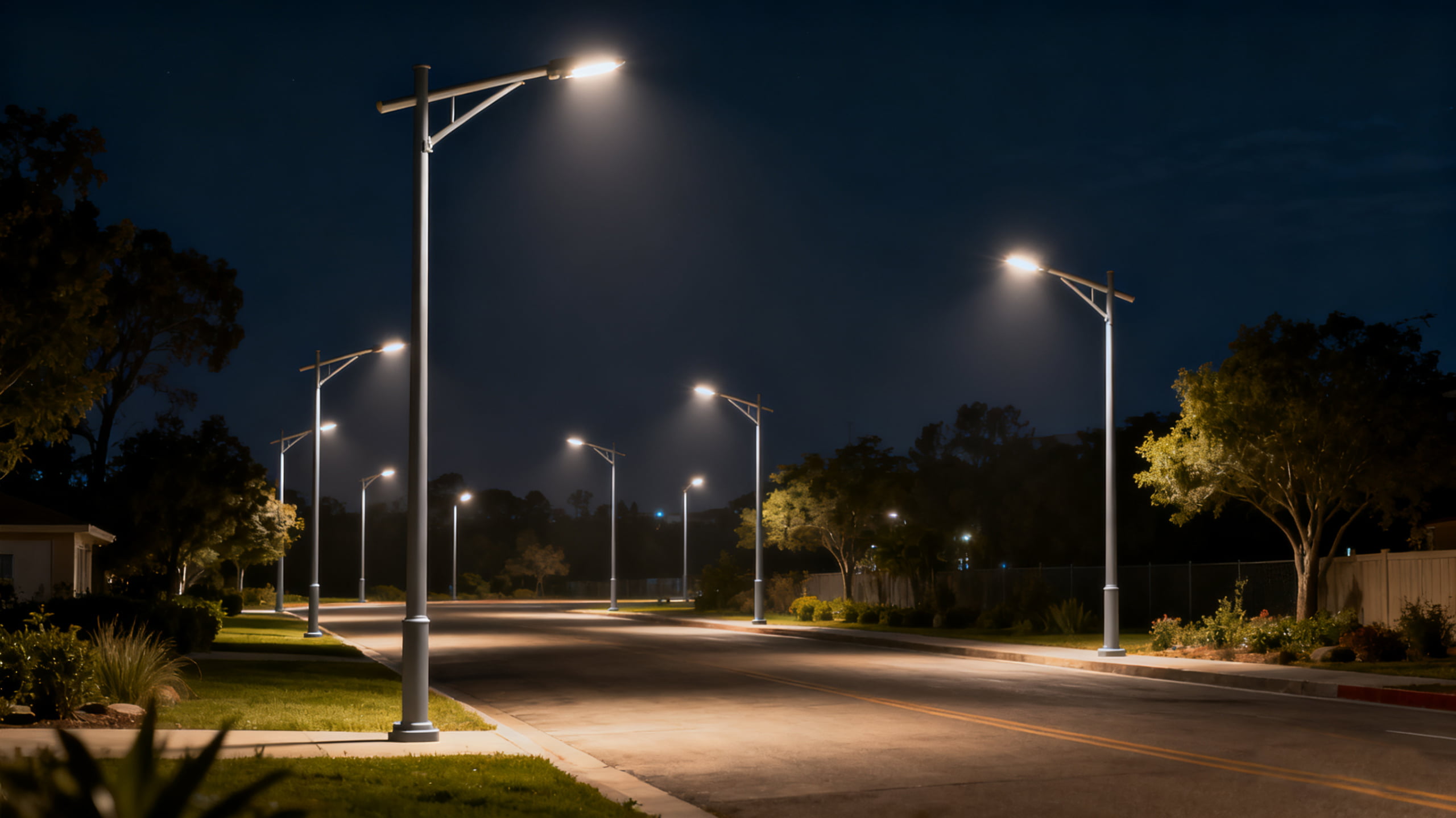
Induction in modern solar street lights refers to motion induction, using sensors like PIR or microwave to detect movement. This feature allows the light to brighten when someone approaches and dim down to save power when no one is around.
This is a point of confusion I clear up for clients all the time. Years ago, when I was first working in the factory, we actually made something called an "induction lamp." It was a type of fluorescent bulb technology. But that technology is now obsolete. Today, when we talk about "induction" in the context of a smart, modern solar street light, we are almost always talking about motion sensors. This smart feature is a game - changer for energy efficiency, but it's just one piece of the puzzle. To really understand its value, you first need to understand how the entire solar light system works from the ground up.
What are the core components of a solar street light?
A solar light looks like one single unit, but viewing it that way is a mistake. This mindset prevents you from spotting the low - quality parts in a cheap model that are guaranteed to fail you in the middle of winter.
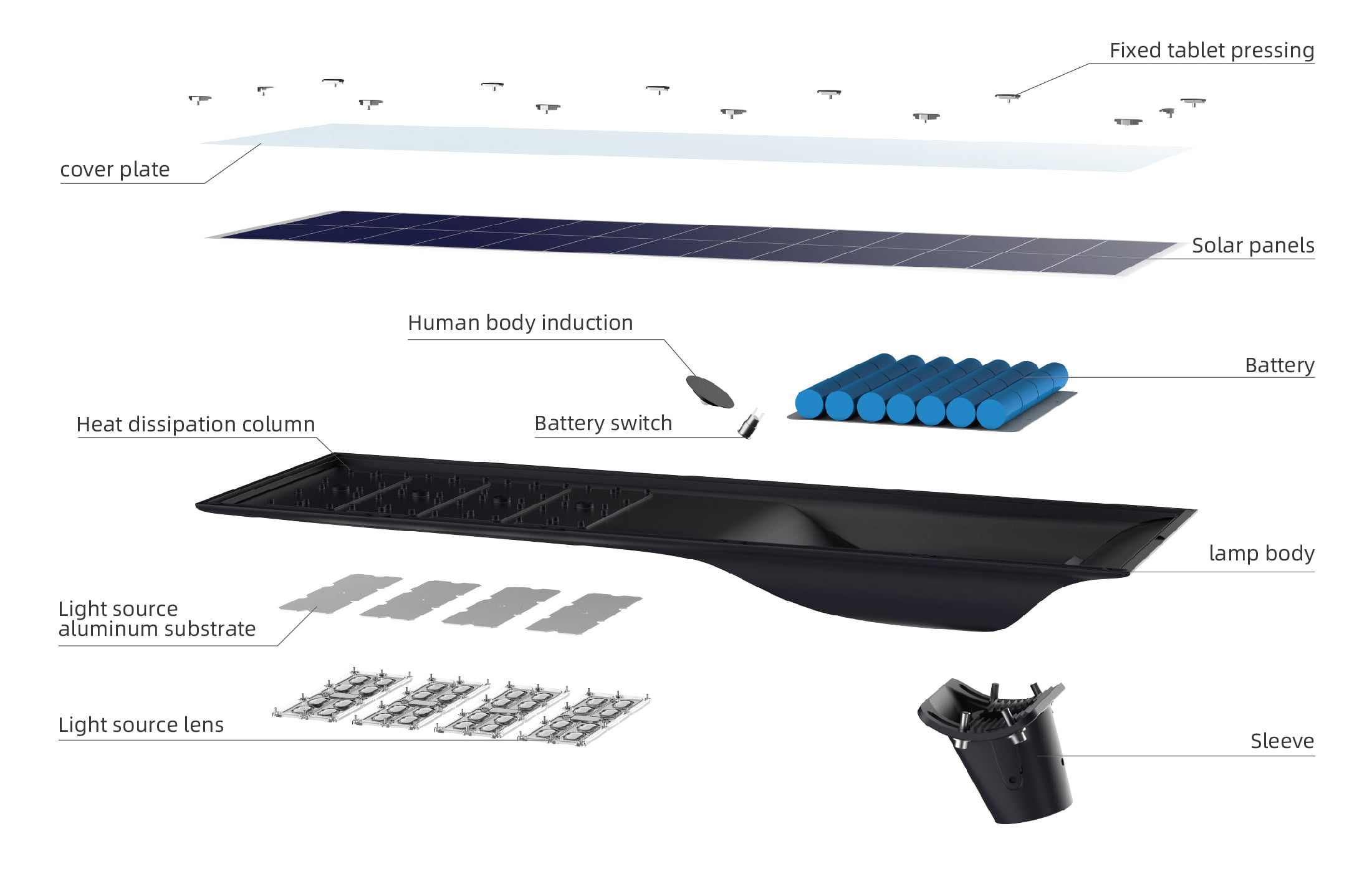
The core components are the solar panel (converts sunlight to energy), the battery (stores energy), the LED lamp (produces light), the controller (manages power), and the light pole (provides support). The quality of each part determines the system's reliability.
Thinking about these parts separately is the most important lesson I can teach. A chain is only as strong as its weakest link, and a solar street light is the same. The cheap light that failed my client in the story I told before had a poor - quality battery, and that single weak link made the entire investment worthless. Let's look at what separates good from bad for the most critical parts.
- The Solar Panel: You'll see two main types: monocrystalline and polycrystalline. Monocrystalline panels are dark black and are more efficient, especially in low - light or cloudy conditions. They cost a little more, but for a reliable street light, they are the only choice.
- The Battery: This is the heart of the system. The best technology by far is Lithium Iron Phosphate (LiFePO4). It's safer, has a much longer lifespan (8 - 10 years), and performs better in a wider range of temperatures than older lead - acid or even standard lithium - ion batteries. Always demand a LiFePO4 battery.
- The Controller: This is the brain. It manages the charging and discharging of the battery. A good controller uses Maximum Power Point Tracking (MPPT) technology, which is about 20 - 30% more efficient at converting solar energy than the older, cheaper Pulse Width Modulation (PWM) type. This extra efficiency is critical in winter.
| Component | Good Quality | Poor Quality | Why it Matters |
|---|---|---|---|
| Panel | Monocrystalline | Polycrystalline | Better performance on cloudy days. |
| Battery | LiFePO4 | Lead - Acid, Ternary Lithium | Longer life, safer, better in heat. |
| Controller | MPPT | PWM | Squeezes more power from the panel. |
How does a solar street light actually work?
You know the sun powers it, but the automatic cycle seems like magic. Without understanding the simple process, you will not know if the light is working correctly or how to identify a problem when it appears.
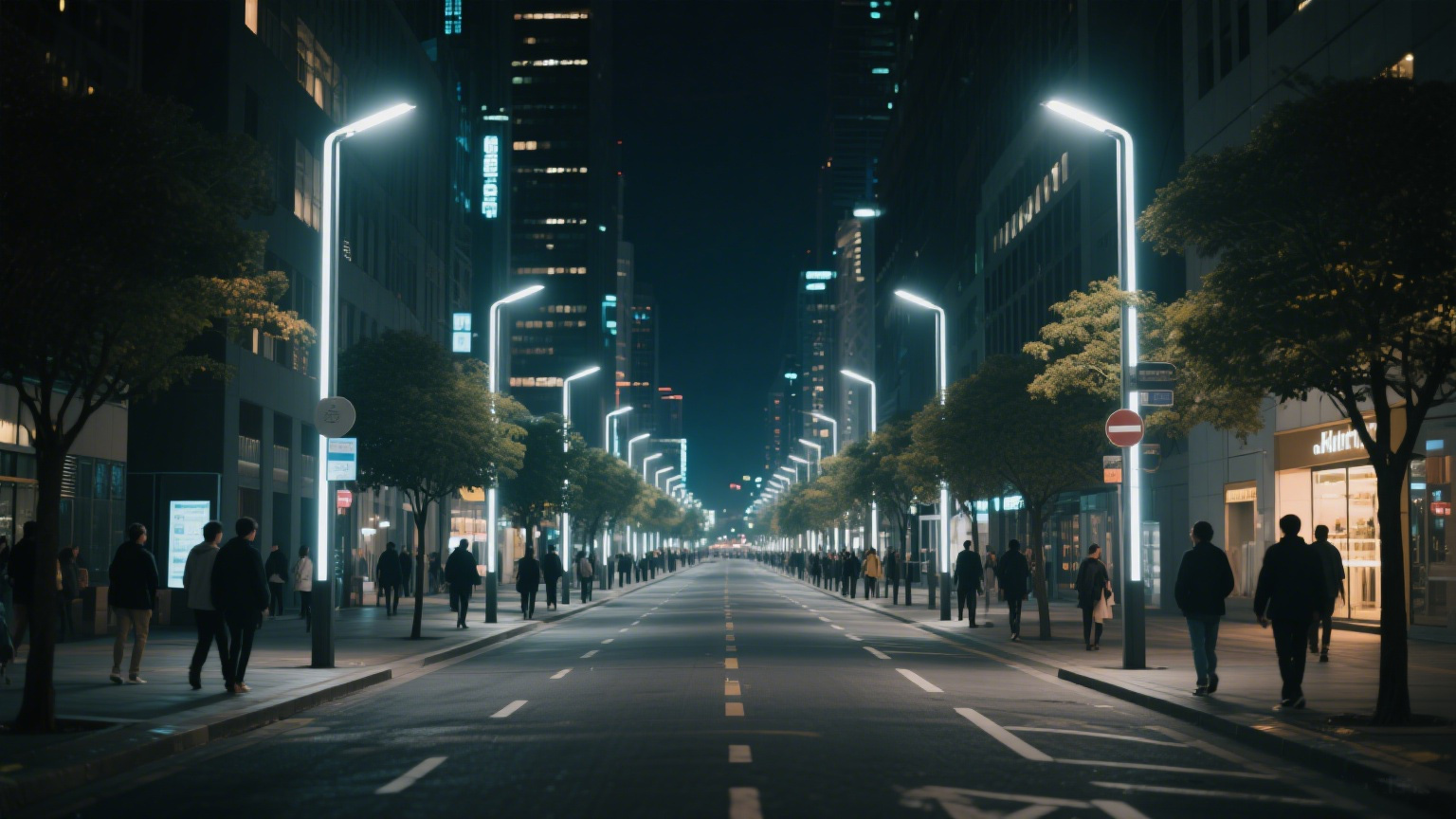
During the day, the solar panel charges the battery via the controller. At night, the controller senses the darkness and automatically powers the LED lamp using the stored energy from the battery. This cycle repeats daily without human intervention.
The process is simple and very reliable when you have good components. The controller is the key to this whole operation. Here is a step - by - step breakdown of what happens:
- Daytime: The Charging Phase. As soon as the sun rises, its photons strike the solar panel. The panel starts generating a DC electrical current. This current flows to the controller. The controller's first job is a gatekeeper. It regulates this power, converts it to the correct voltage, and uses it to charge the battery. A smart MPPT controller is constantly adjusting to get the absolute maximum power from the panel as the sun's angle and clouds change. It also protects the battery from overcharging.
- Nighttime: The Discharging Phase. As the sun sets, the voltage from the solar panel drops to nearly zero. The controller detects this. It's the signal to switch modes. It automatically disconnects the solar panel circuit and connects the battery circuit to the LED lamp. The stored energy from the battery now flows to the lamp, turning it on.
- The "Induction" Function. This is where the motion sensor comes in. The controller can be programmed with a specific lighting mode. For example, it will keep the light at 30% brightness all night. When the induction sensor detects a car or person, it sends a signal to the controller. The controller immediately increases the power to the LEDs, bringing them to 100% brightness. After the movement stops for a set time (e.g., 30 seconds), it signals the controller to dim the light back down to 30%. This simple action can save over 50% of the battery's energy overnight.
What are the advantages and application scenarios of solar street lights?
You might think solar street lights are only for remote places without an electricity grid. This limited view makes you miss huge opportunities to save money, time, and hassle on almost any lighting project.
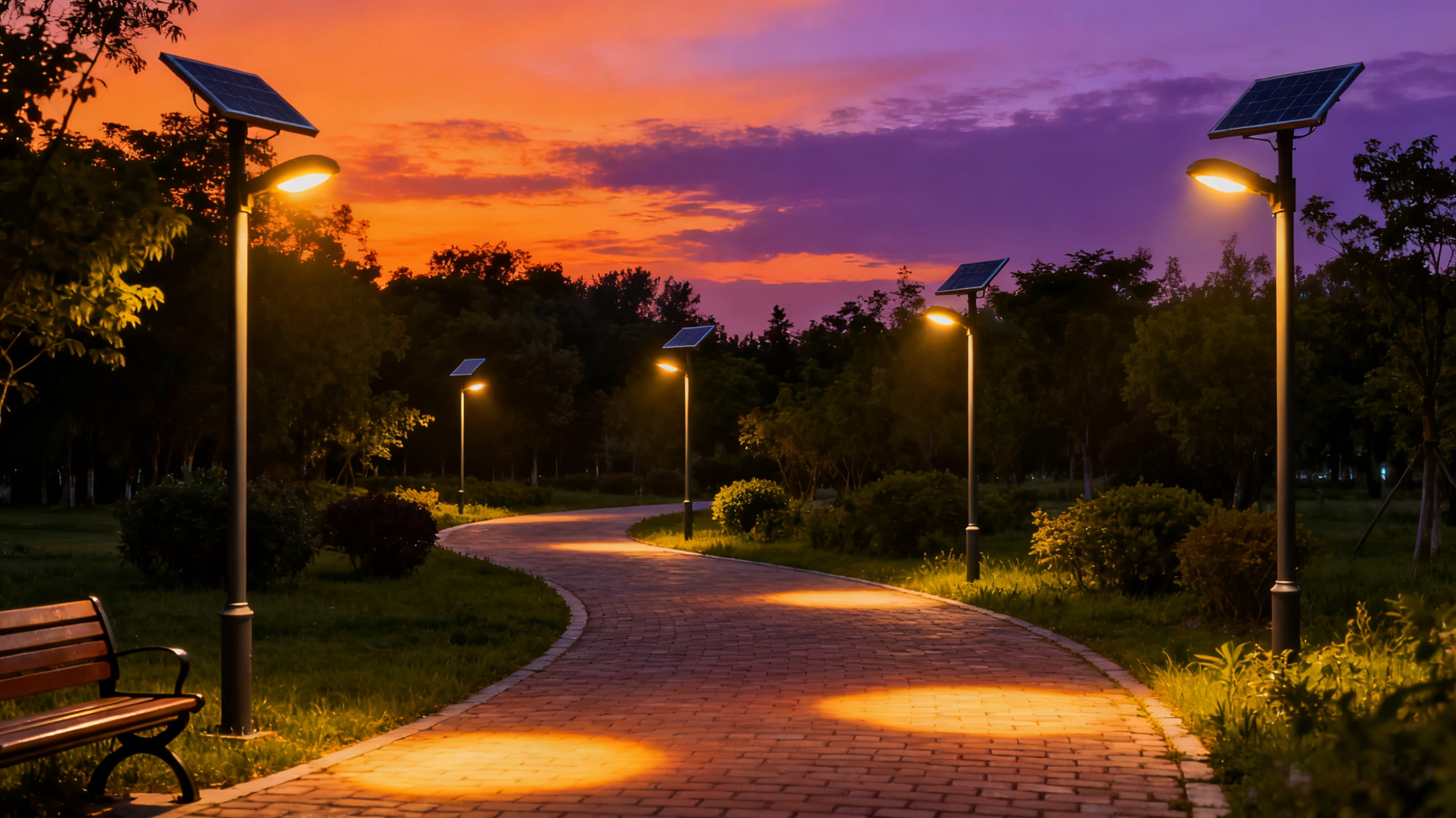
The main advantages are zero electricity bills, easy installation with no trenching or cabling, and environmental friendliness. They are ideal for remote roads, parks, construction sites, and any area where grid connection is expensive or impossible.
The biggest "aha!" moment for my clients is when they realize the installation savings. I had a client who needed to light a 1 - kilometer - long access road to a new warehouse. The cost quoted for digging a trench, laying high - voltage cable, and connecting to the grid was enormous. We replaced the entire plan with solar street lights. The total project cost was less than half of just the cabling and grid connection fees.
The applications are much wider than people think.
- Cost - Saving on New Roads: For any new road, park, or parking lot, solar is often cheaper upfront than a grid - tied system because you avoid all the civil engineering work.
- Impossible Locations: Think of hiking trails, remote farms, island communities, or mining sites. Solar is not just the best option; it's often the only option.
- Temporary Lighting: For construction sites, special events, or disaster relief areas, you can install solar lights quickly and then move them when the need is gone. There is no permanent infrastructure to worry about.
- Green Initiatives: Many cities and companies install solar lights simply to demonstrate their commitment to sustainability. They reduce the carbon footprint and serve as a visible symbol of clean energy.
What maintenance do solar street lights need?
People often sell solar street lights as being "zero maintenance." Believing this completely is a mistake that leads to poor performance over time and can cause the light to fail much earlier than it should.
Maintenance is minimal but crucial. It involves regularly cleaning the solar panel to remove dust, bird droppings, and debris, checking for physical damage, and trimming any overhanging tree branches that might cast shadows on the panel.
A solar street light is a power plant. While it is designed to be tough and self - sufficient, a little bit of simple care will ensure it performs at its best for its entire lifespan. I always give my clients a simple checklist.
A Simple Maintenance Plan:
- Every 6 Months:
- Clean the Panel: This is the most important task. A layer of dust or grime can act like a shade, significantly reducing the panel's output. In most places, rain helps, but it's good practice to clean it with water and a soft brush twice a year.
- Visual Inspection: Walk by the pole. Is everything secure? Are there any signs of damage to the fixture or panel from storms or vandalism?
- Once a Year:
- Check for Shadows: Trees grow. A branch that wasn't a problem last year might now be casting a shadow on the panel during key parts of the day. Trim it back. A small shadow can have a surprisingly large impact on charging efficiency.
- Check Connections (Professional): It's a good idea to have a professional check that all electrical connections are still tight and free of corrosion, especially in coastal or very humid areas.
The only part that will need replacement is the battery, but with a good LiFePO4 battery, you should not have to worry about that for at least 8 to 10 years. This simple and infrequent maintenance protects your investment.
Conclusion
Understanding solar lights, from their core parts to their smart induction features, is key. This knowledge ensures you choose a reliable system that saves money and provides light for years to come.