You're researching solar and keep running into numbers and "rules." You hear about a 33% rule and worry it's some hidden cost or efficiency loss that will ruin your project's financial viability.
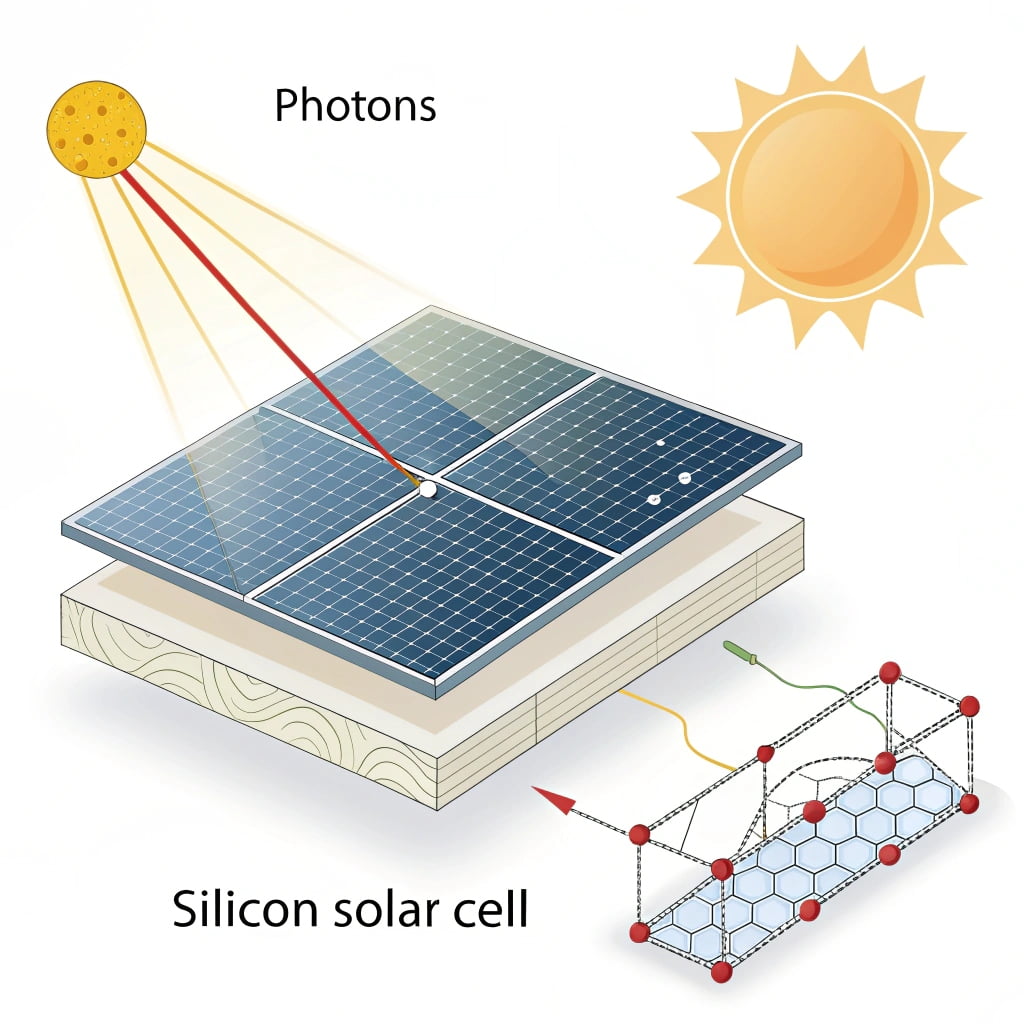
The "33% rule" is not a practical rule for buying panels, but likely refers to the Shockley-Queisser Limit. This is a law of physics stating that the theoretical maximum efficiency of a standard silicon solar cell is around 33%.
When I was working on the factory floor, the engineers would talk about this limit. It's not something you use to design a project, but it helps you understand the technology. It basically means that even a "perfect" solar cell can't convert all of the sun's energy into electricity; much of it is lost as heat. Today's commercial panels are around 20-23% efficient, which is actually incredible when you realize they are pushing up against a fundamental limit of physics. Understanding this helps you ignore marketing hype and focus on the practical questions that truly impact your project's success.
Is it better to have 2 100W solar panels or 1 200W?
You have a specific power need, but different ways to get there. You're stuck wondering if more smaller panels are better than one big one. The wrong choice could mean more cost, more things to break, and a bigger hassle.
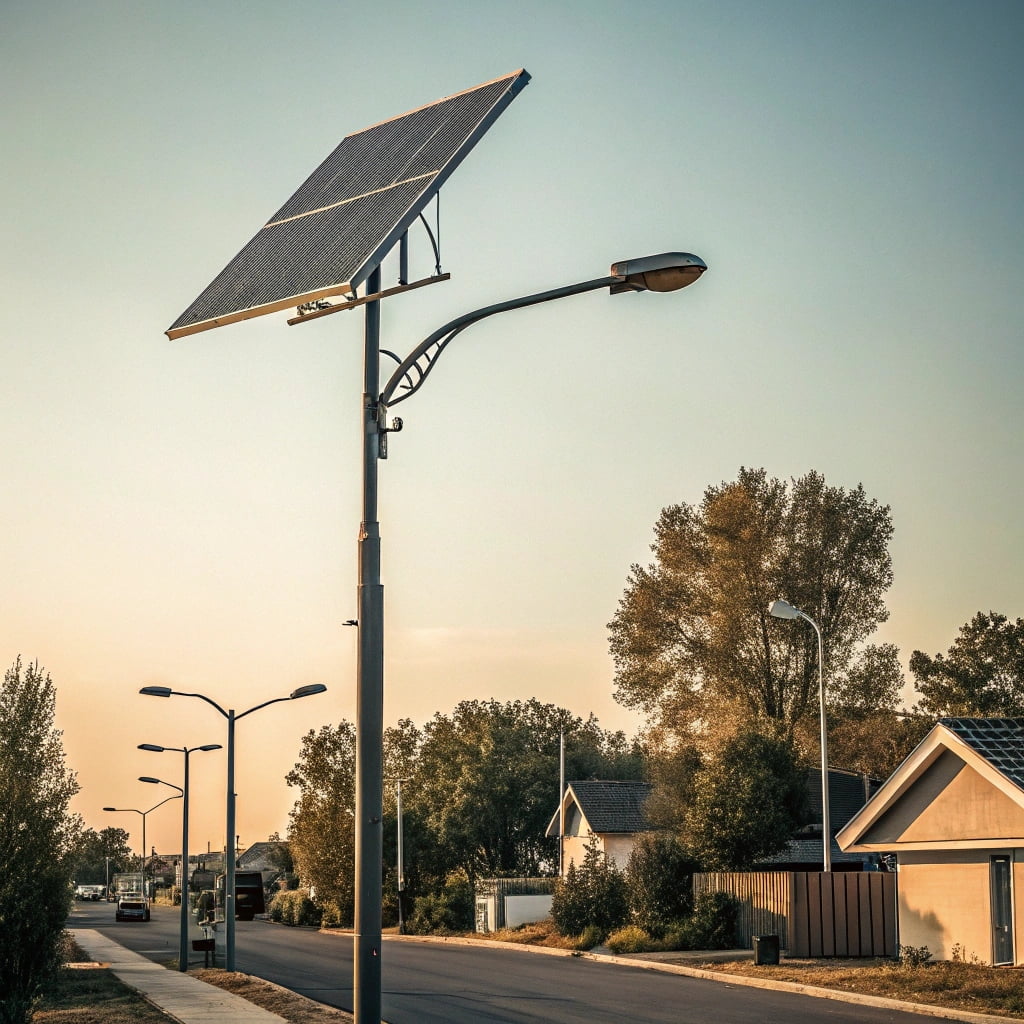
For a solar street light, one 200W panel is almost always better. It has a smaller physical footprint, fewer electrical connections which increases reliability, and is typically more cost-effective to purchase and install than two 100W panels.
This is a classic debate, but in the world of commercial installations, simplicity means reliability. Every extra cable and connector is a potential point of failure where water can get in or a connection can rattle loose. On top of a pole exposed to wind and rain for a decade, fewer failure points is always the better choice. A single, larger panel is also more efficient in terms of space. The aluminum frame around the panel is just dead space, so one large panel has less "frame" area than two smaller panels for the same power output.
The only time two panels might be considered is in a very specific situation where you have a complex shading problem, and the panels need to be mounted at different angles. But for a street light on a pole in an open area, one panel is the superior engineering choice.
| Factor | 1 x 200W Panel | 2 x 100W Panels | Winner |
|---|---|---|---|
| Reliability | Higher (Fewer connections) | Lower (More failure points) | 1 x 200W |
| Installation Cost | Lower (Simpler mounting) | Higher (More complex) | 1 x 200W |
| Space Efficiency | Higher (Less frame area) | Lower (More frame area) | 1 x 200W |
| Shading | Less flexible | More flexible | 2 x 100W (in rare cases) |
Why is it difficult to transfer a project with solar panels?
You are making a long-term investment in a property. You hear stories that this asset could become a liability down the road, making it hard to upgrade or transfer ownership of the property. This fear can cause hesitation.

The difficulty rarely comes from the solar panels themselves, but from complex financial agreements like leases or Power Purchase Agreements (PPAs). For commercial projects, a system that is owned outright with clear documentation adds value, while a leased system can complicate things.
This question often comes from the residential world, but the principle is the same for my commercial clients. When you buy a solar street light system from me, you own it. It's an asset, just like the light pole it's sitting on. The value is clear. The problem comes when a third party owns the system on your property.
Imagine a company wants to sell a warehouse that has solar panels on the roof. If they own the panels, it's simple—the panels are sold as part of the building. But if the panels are under a 20-year lease from another company, the new building owner has to take over that lease. This involves credit checks and new contracts, which can scare buyers away.
For any project, I always stress the importance of documentation. Whether it's one light or a thousand, keeping the warranty documents, the technical spec sheets, and a maintenance log is crucial. A well-documented, high-quality system that is owned outright is always a valuable asset. A system with a complicated lease and no paperwork can feel like a liability.
What happens after 25 years of solar?
You see the "25-year warranty" everywhere and assume that's the end of the line. You're worried that the panel will suddenly stop working after 25 years, forcing you into a costly replacement of the entire system.
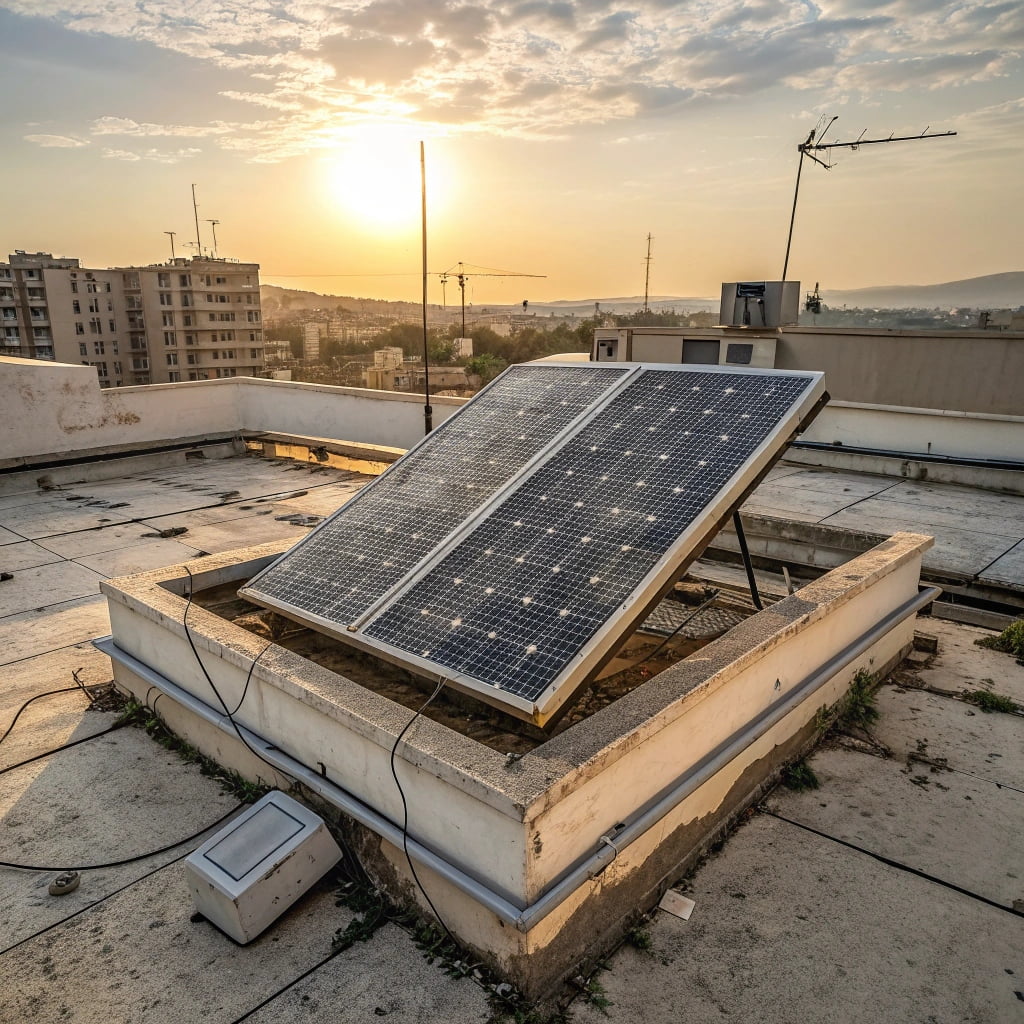
A solar panel does not die after 25 years. The warranty guarantees it will still produce power at a certain percentage of its original rating, typically around 80-85%. The panel will likely continue to generate clean electricity for 30, 40, or even 50 years.
The 25-year number is a *performance* warranty, not a "will-fail-after" date. It's a promise from the manufacturer about a gradual, predictable decline in performance called "degradation." Think of it like the battery in your phone; after a few years, it still works, it just doesn't hold a charge for as long. A solar panel is the same, but on a much, much longer timescale.
What's more important to consider for a 25-year-old solar *system* is the other components. The solar panel is actually the most durable part:
- The Battery: A high-quality LiFePO4 battery in a solar street light will need to be replaced every 8-10 years. So by year 25, it will have already been replaced two or three times.
- The Controller/Inverter: The electronics that manage the power will also likely need replacement after 10-15 years.
So, at year 25, you will have a perfectly functional solar panel producing plenty of power. You will simply continue with the regular maintenance cycle of replacing the other components as needed. The panel itself is the last thing you'll need to worry about.
What is the biggest downside to solar electricity?
Solar seems like the perfect energy source, but you are skeptical. You know there has to be a catch, a fundamental weakness that you need to plan for. Ignoring this weakness can lead to a system that fails you when you need it most.
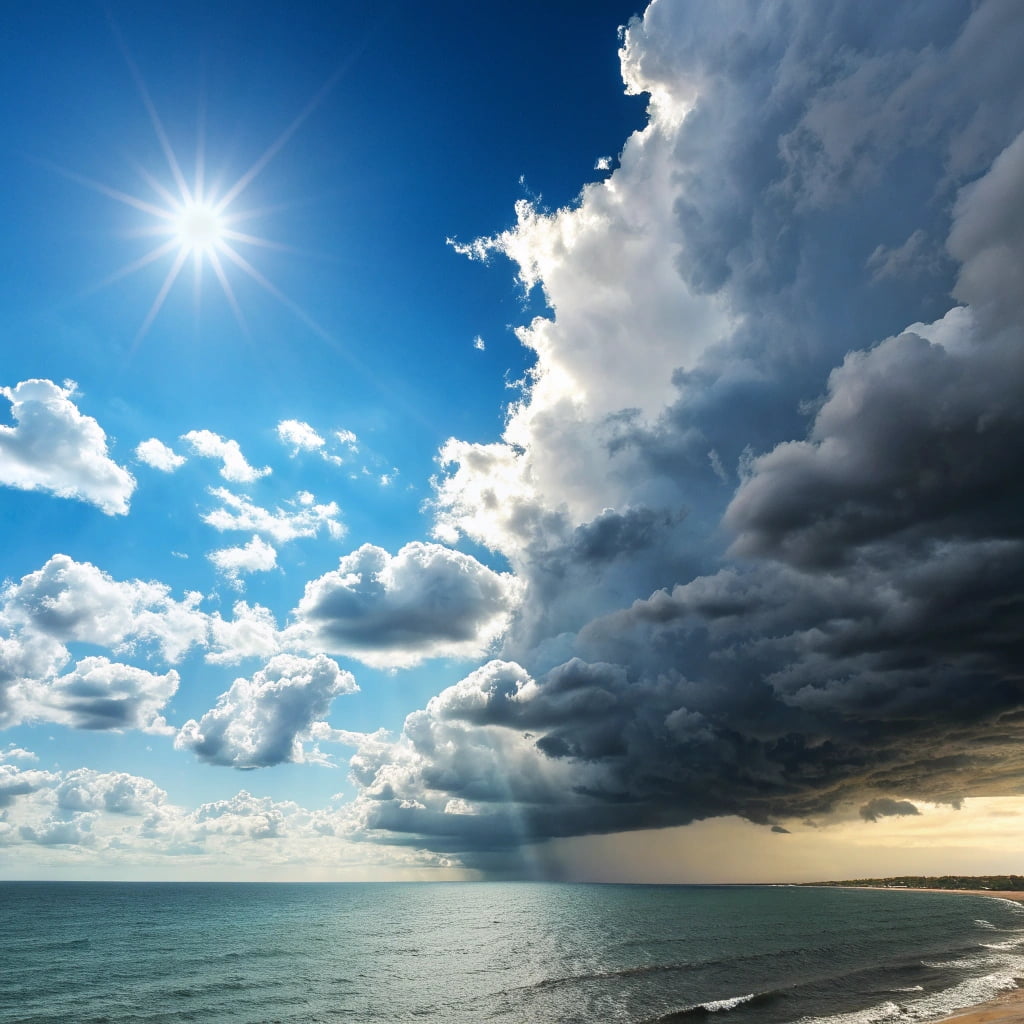
The biggest downside to solar is its intermittency. It only generates power when the sun is shining. This means it is not a standalone power source without a crucial partner: an energy storage system (a battery) to provide power at night or on cloudy days.
This isn't a flaw, it's the fundamental nature of the technology. You can't get power from the sun at night. This is why you can't just talk about a solar panel; you have to talk about a solar *system*. The entire business of solar street lighting is built around solving this single problem.
The solution is a correctly sized battery. When I design a system for a client in, say, Seattle, I have to calculate for the worst-case scenario: short, cloudy, rainy days in the middle of winter. The system must have a big enough solar panel to capture enough energy even in weak light, and a big enough battery to store enough power to last for three or four consecutive nights without any significant charging. This is what we call "days of autonomy."
The upfront cost of this large battery and panel is another challenge, but it's part of the package. So, the downside isn't just the intermittency, but the cost of the high-quality components required to overcome it reliably. When a system is designed properly, this "downside" is completely managed and becomes a non-issue.
Conclusion
Understanding solar means looking past abstract rules to practical realities. The real keys are system design, component quality, and planning for the long-term, ensuring your solar investment is reliable and valuable for decades. By focusing on real-world factors like panel configuration, ownership structure, component lifespans, and energy storage, you can avoid common pitfalls and build a solar street light system that delivers consistent performance for years to come.