You are planning a solar lighting project and you know the battery is key. But you hear conflicting numbers—3 years, 5 years, 10 years. This uncertainty makes it impossible to calculate the true long-term cost of your investment.
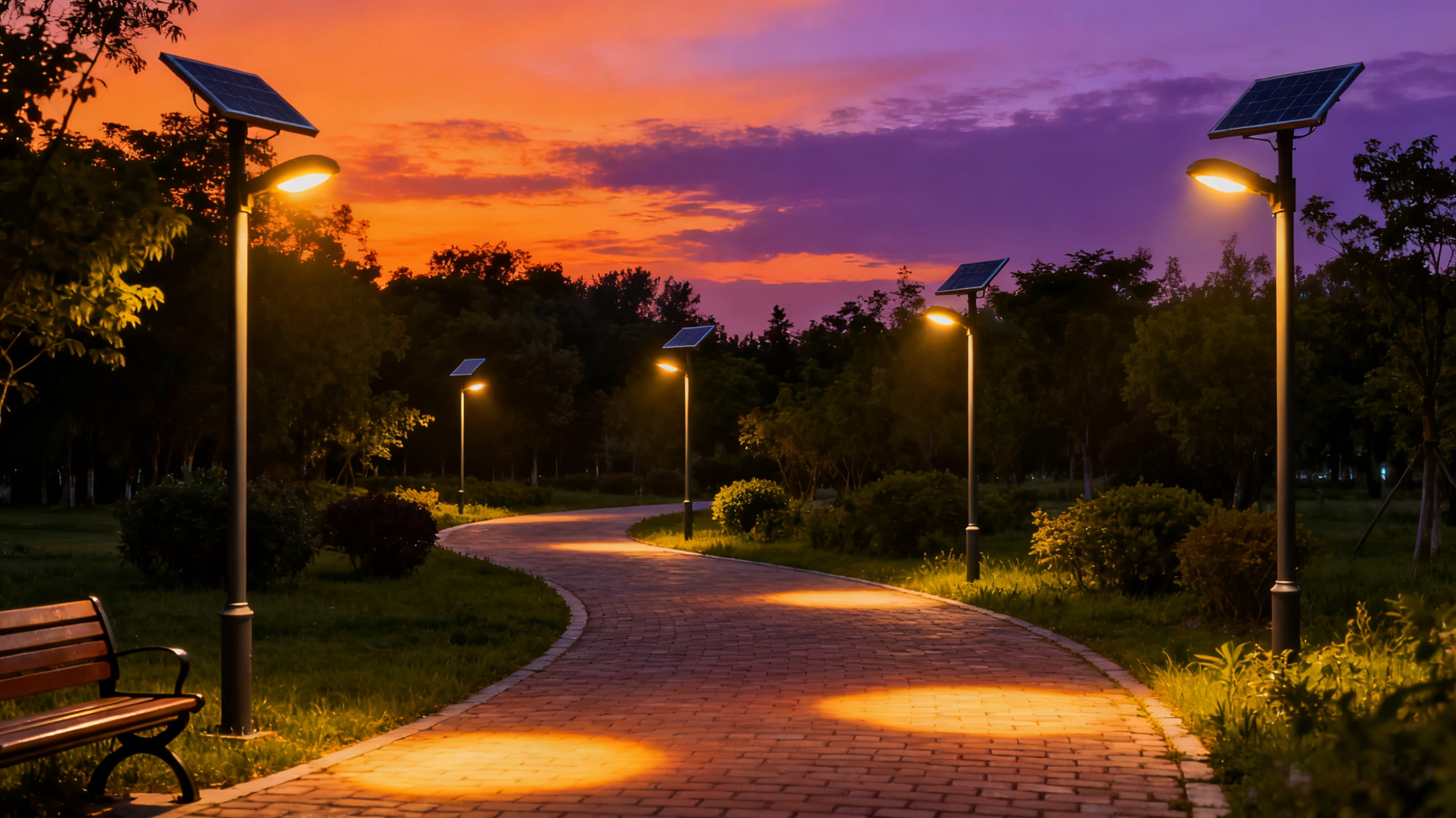
A high-quality Lithium Iron Phosphate (LiFePO4) battery, which is the modern standard, has a lifespan of 8 to 15 years. Older technology like gel or lead-acid batteries typically only lasts for 3 to 5 years before needing a costly replacement.
When I first started in the street light factory, almost every solar light used a heavy, buried lead-acid battery. We were constantly dealing with customer complaints about lights failing after just a few years. The battery was always the culprit. The shift to LiFePO4 technology has been the single biggest leap forward in reliability for our industry. Understanding this difference is the most important lesson I can teach anyone buying a solar light today.
Does a battery box have to be vented?
You see some battery boxes with vents and some that are completely sealed. You wonder if a sealed box is a safety hazard, or if a vented box will just let in water and dust, causing the battery to fail.
Old lead-acid and gel batteries must be in a vented box because they can release explosive hydrogen gas during charging. Modern LiFePO4 batteries are completely sealed, do not produce gas, and should be in a non-vented, waterproof box for maximum protection.
This question is a perfect example of how old technology creates problems that new technology solves. The lead-acid batteries we used to bury underground were essentially a chemical experiment. As they charged, they would "gas," releasing hydrogen. If that gas built up in a sealed container, it could explode. So, the boxes had to be vented. But vents are a weakness; they are an entry point for water, which is the mortal enemy of electronics.
When I started my own company, I insisted on using only LiFePO4 batteries. They are based on a different, more stable chemistry. They are hermetically sealed at the factory and operate as a solid-state component. They release no gas, ever. This means we can put them in completely sealed, IP67-rated waterproof enclosures. There are no holes, no vents, and no way for water or dust to get in. It's a simpler, safer, and far more reliable design.
Which battery is best for solar street light?
You are faced with a choice: a cheaper light with an older battery technology or a more expensive one with a modern lithium battery. Without a clear comparison, it's hard to justify the extra upfront cost.
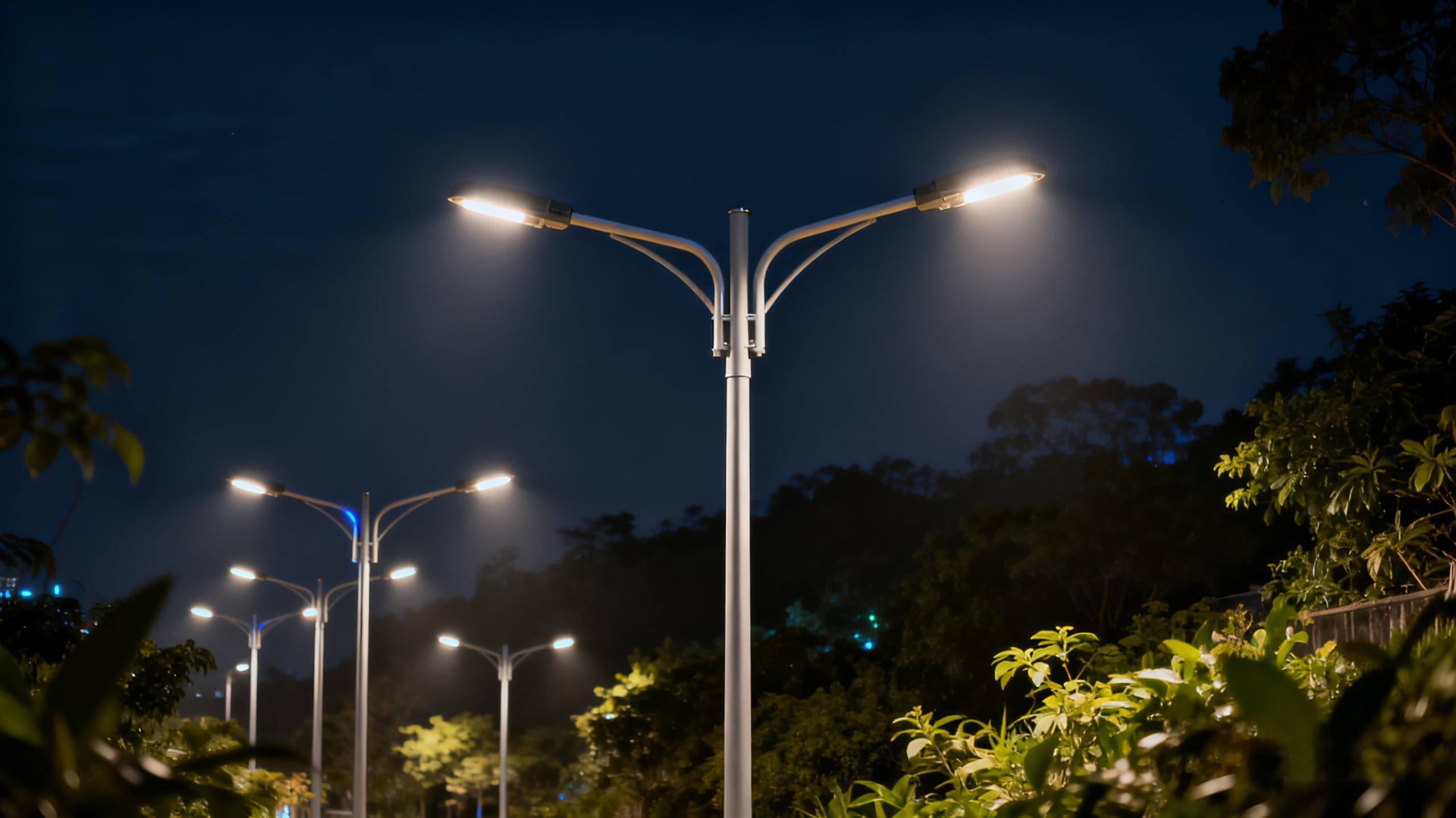
Lithium Iron Phosphate (LiFePO4) is, without question, the best battery for solar street lights. It offers a lifespan 3-4 times longer, is lighter, smaller, and provides more usable energy than the outdated gel or lead-acid alternatives.
I've helped hundreds of clients switch from failing lead-acid systems to new LiFePO4 lights, and the difference is night and day. The decision becomes obvious when you look at the facts side-by-side. It’s not just about lifespan; it’s about performance in every category.
- Usable Energy: A gel battery should only be discharged to about 70% of its capacity to avoid damage. You can regularly use 90-100% of a LiFePO4 battery's capacity. This means a 100Ah lithium battery gives you more power than a 120Ah gel battery.
- Size and Weight: A LiFePO4 battery is about half the size and one-third the weight of a gel battery with the same capacity. This makes installation easier and safer.
- Installation & Maintenance: Gel batteries are often buried, requiring digging and complex wiring. When they fail, you have to dig them up. A LiFePO4 battery is lightweight and mounted right on the pole with simple plug-and-play connectors, making replacement a simple task.
- Environmental Hazard: Lead-acid batteries contain heavy metal lead and sulfuric acid. If they leak, they are a toxic nightmare. LiFePO4 batteries are non-toxic and environmentally safe.
| Feature | Gel / Lead-Acid Battery | Lithium Iron Phosphate (LiFePO4) | Winner |
|---|---|---|---|
| Lifespan | 3-5 Years | 8-15 Years | LiFePO4 |
| Usable Energy | ~70% | ~95% | LiFePO4 |
| Size & Weight | Very Heavy, Bulky | Lightweight, Compact | LiFePO4 |
| Safety | Gassing, Explosion Risk | Sealed, No Gassing | LiFePO4 |
| Environment | Toxic (Contains Lead) | Non-toxic | LiFePO4 |
What are three drawbacks to storing solar energy in batteries?
You understand that batteries are necessary, but you are rightly skeptical. You know there must be downsides, and understanding these drawbacks is key to planning a successful and financially sound project.

The three main drawbacks of battery storage are the high upfront cost, the limited lifespan which requires eventual replacement, and performance degradation in extreme hot or cold temperatures.
A battery is the most expensive and most sensitive part of a solar street light. Acknowledging its weaknesses is the first step to good engineering design.
- High Upfront Cost: The battery can easily account for 30-40% of the total cost of a solar street light. A high-quality, long-lasting LiFePO4 battery with enough capacity to survive several cloudy days is a significant investment. This is often the biggest barrier for new projects.
- Limited Lifespan: While a solar panel can last for over 30 years, no battery can. A great LiFePO4 battery has a lifespan of around 10 years. This means you must plan for a replacement cycle. It's a future maintenance cost that has to be budgeted for from day one. Anyone who tells you the system is "zero maintenance" for 25 years is not being honest.
- Temperature Sensitivity: Batteries are like people; they work best at a comfortable room temperature. In extreme desert heat, their lifespan can be reduced. In severe cold (below -10°C or 14°F), a standard lithium battery's ability to charge and discharge can drop significantly. For cold climates, we must use special low-temperature cells or design battery systems with internal heaters, which adds to the cost.
Why is my light bill so high if I have solar panels?
You have solar panels but you are still getting a surprisingly high electricity bill. You feel frustrated and confused, wondering if the solar investment was a mistake. This is a common point of confusion.
This happens with grid-tied solar systems, not standalone solar street lights. Your bill could be high because your system is too small for your needs, you're using more power than before, or it's a time of year with less sun.
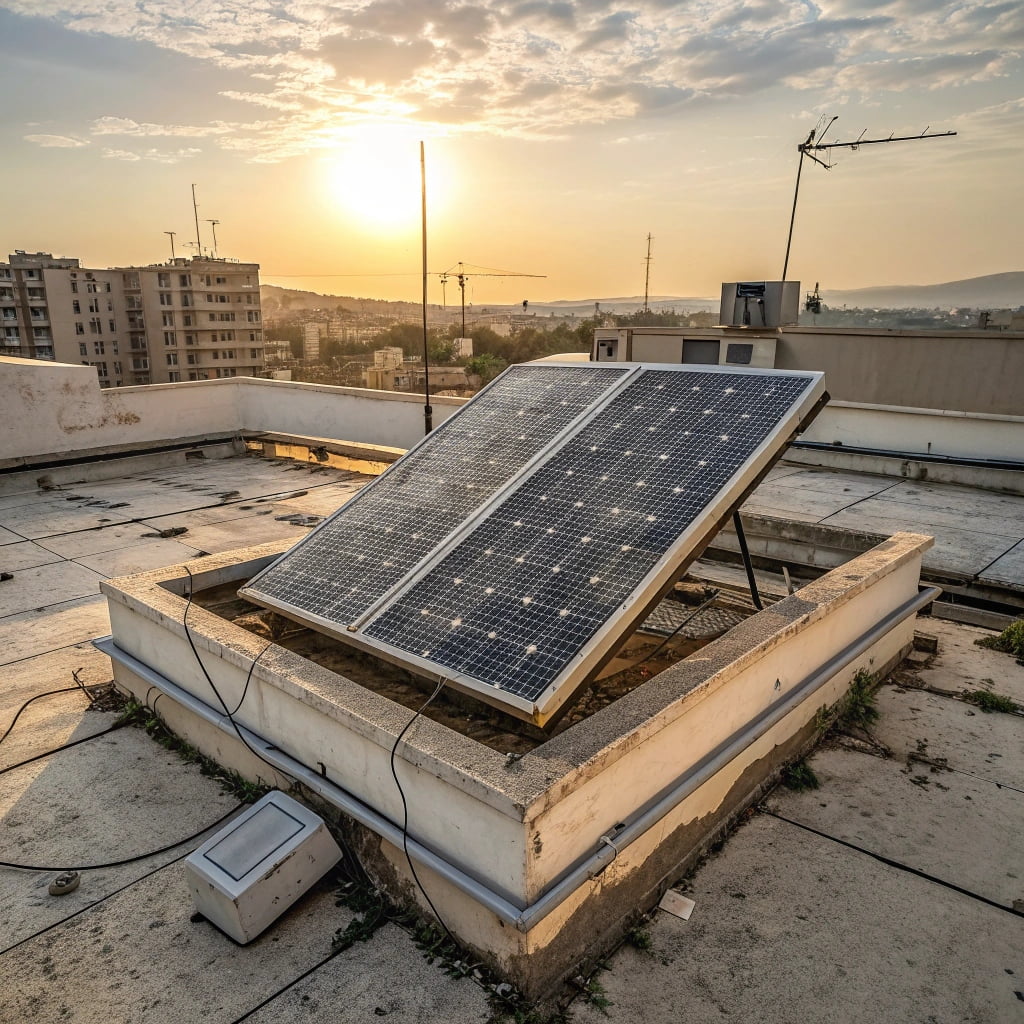
This is a question I sometimes get from people who have solar panels on their homes. It's important to understand there are two very different types of solar systems. The panels on a house are "grid-tied." They work with your utility company. If you produce more power than you use, you might get a credit. If you use more than you produce (like at night), you pull power from the grid and get a bill.
My specialty, solar street lights, are completely "off-grid." They are 100% independent islands of power. They have no connection to the utility company whatsoever. The solar panel charges the battery, and the battery powers the light. That's it.
The main advantage of this off-grid design is its simplicity and predictability. The upfront cost is the only cost. After installation, the electricity is always free. There is never a light bill. This is why they are perfect for roads, parks, and remote areas—they provide light and energy independence without any monthly fees.
Conclusion
The battery is the heart of a solar light. Choosing a modern LiFePO4 battery is the single most important decision for ensuring a long lifespan, high performance, and the best return on your investment. By addressing key questions like venting needs, technology comparisons, and cost tradeoffs, you can avoid common pitfalls and build a solar street light system that delivers reliable, cost-effective light for over a decade.