You're ready to invest in solar but get stuck on the technical details. You hear about N-type and P-type panels and worry about making the wrong, expensive choice for your home.
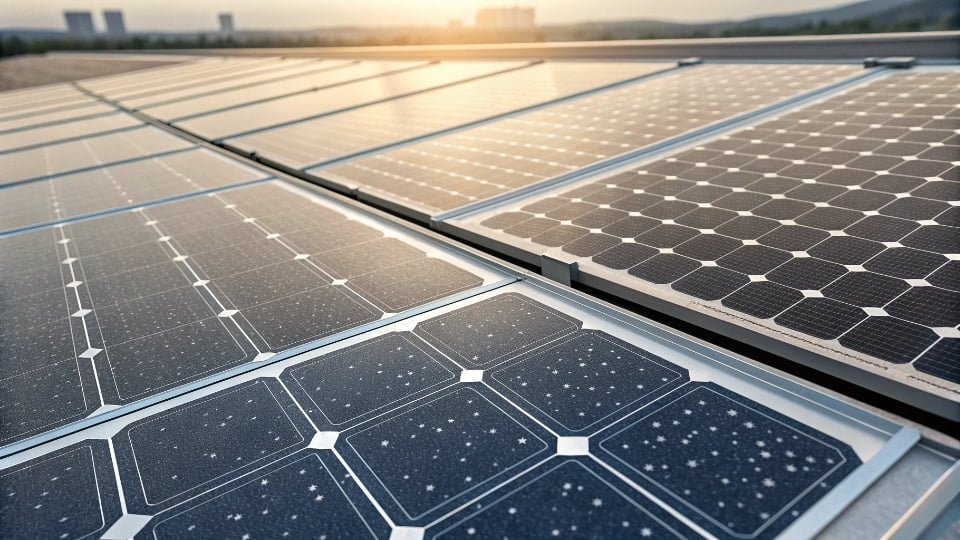
N-type solar panels are technologically superior, offering higher efficiency and slower degradation over time. However, P-type panels are more common and offer better upfront value, making them a solid, budget-friendly choice. For top performance and longevity, N-type is better.
I’ve spent my entire career in the solar industry, from the factory floor to helping clients build their businesses. I've seen technology evolve firsthand. The choice between N-type and P-type panels is a great example of this progress. But I want to be clear: choosing the "best" panel is only one piece of the puzzle. A fantastic panel can be completely wasted if the rest of the system isn't right. It's like having a race car engine in a family sedan. Let's dive into what makes these panels different, and then look at other critical factors that determine if your solar investment will actually pay off.
Why is my electric bill so high if I have solar panels?
You installed solar panels to save money, but your electric bill is still shockingly high. You feel cheated and frustrated, wondering if you made a huge mistake.
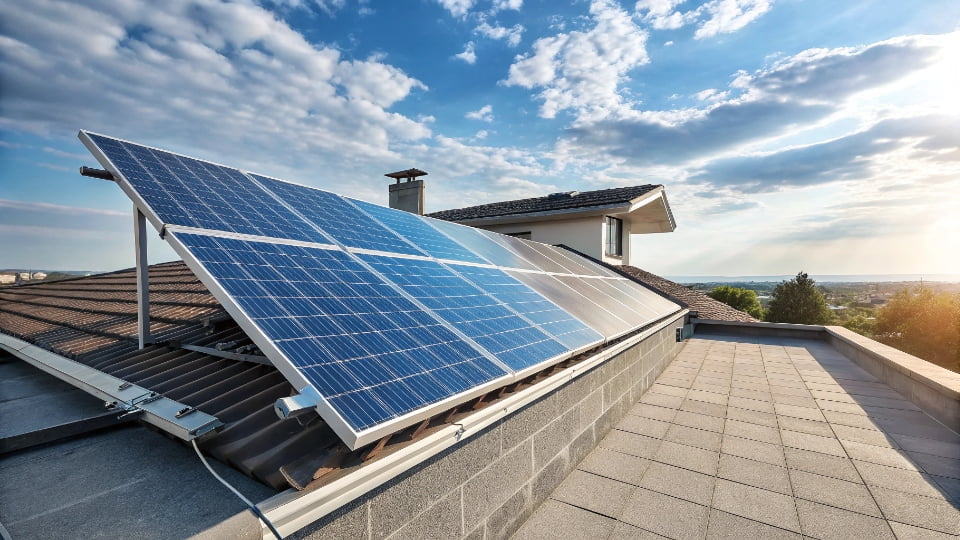
Your bill is likely high because your system is producing less power than you use. This can be due to poor panel placement reducing efficiency, an undersized system for your needs, or simply an increase in your home's energy consumption. The problem is usually the system design, not the panels.
In my line of work with solar street lights, system design is everything. If one part is wrong, the whole system fails. I’ve seen projects where the panel angle was not optimized for the location, and it cut power generation by more than half [1]. This exact problem can happen with your home system. A high bill after going solar is a clear sign that there is a mismatch between your system's output and your home's needs. It's frustrating, but it's almost always fixable once you find the root cause.
Investigating Your High Bill
Before blaming the panels, let's look at the more common culprits. Think of yourself as a detective looking for clues.
- System Sizing: Did your energy needs increase after installation? Maybe you got an electric vehicle or a new air conditioner. If your system was sized for your old habits, it might not be able to keep up now.
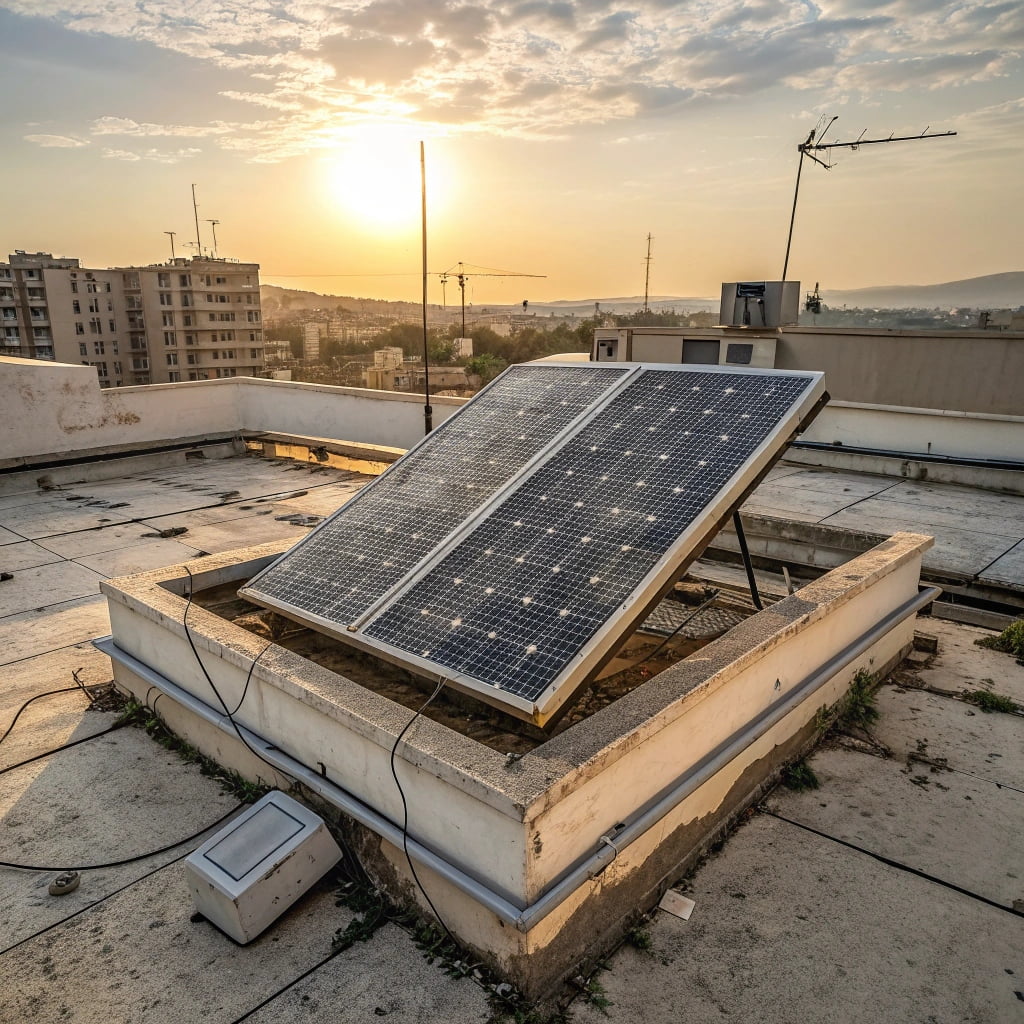
- Panel Performance: Are your panels clean? Are they shaded by a new tree or building? Most importantly, are they facing the right direction and at the right angle? In many regions, panels need a tilt of 30-45 degrees to get the most sun, but if they are installed at a shallow 15-degree angle, efficiency can drop dramatically [1].
- Utility Rates: Have your utility's rates gone up? Did their net metering policy change? Sometimes the problem isn't your system at all, but the complex billing from your power company.
- Time of Use: Are you using most of your electricity when the sun isn't shining? Your system generates power during the day. If you run your big appliances at night, you're buying expensive electricity from the grid instead of using your free solar power.
Where should you not place solar panels?
You're excited about solar, but worry about putting the panels in the wrong spot. You don't want to invest thousands of dollars only to find your panels are blocked or facing the wrong way.
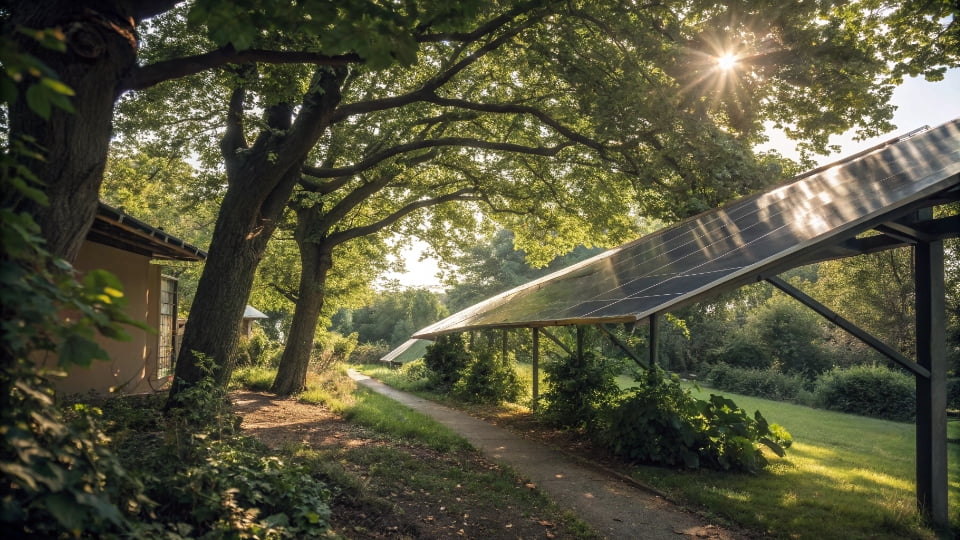
You should never place solar panels in an area that is heavily shaded by trees or buildings. You should also avoid placing them on a roof surface that faces away from the equator (north-facing in the Northern Hemisphere), as this will severely limit their power generation [1].
Panel placement is a lesson I learned the hard way in the street light business. We once had a project where the road ran north-south. The all-in-one lights we were testing had integrated panels that followed the direction of the light [1]. This meant half the panels faced east and the other half faced west. Neither could face south to get the best sun, and their efficiency was terrible [1]. It's a perfect example of how orientation is not a small detail—it's fundamental. The same is true for your home. The ideal spot is a clear, south-facing roof (if you're in the northern hemisphere).
The No-Go Zones for Solar Panels
To get the most out of your system, there are a few places you absolutely must avoid.
| Location to Avoid | Why It's Bad |
|---|---|
| Under Trees or Near Tall Buildings | Shade is the number one enemy of solar power. Even partial shading on one panel can reduce the output of the entire string of panels connected to it. |
| North-Facing Roofs (N. Hemisphere) | A roof that faces away from the equator will get very little direct sunlight, crippling your system's ability to produce power. |
| Old or Damaged Roofs | Solar panels last 25+ years. Your roof should be in good condition before you install them. Installing on an old roof means you'll have to pay to remove and reinstall the panels when the roof needs replacing. |
| Areas with Bad Angles | While mounts can fix angles, a complex roof with many small sections, dormers, and vents can make it impossible to install a large, efficient array. Sometimes a ground-mount system is a better choice. |
Think of your panels like a sunflower—they need to see the sun all day long. Any spot that prevents this is a bad spot.
What is the cold temperature for solar panels?
You live in a cold climate and worry that freezing temperatures will damage your solar panels or stop them from working. It seems logical that extreme cold would be bad for them.
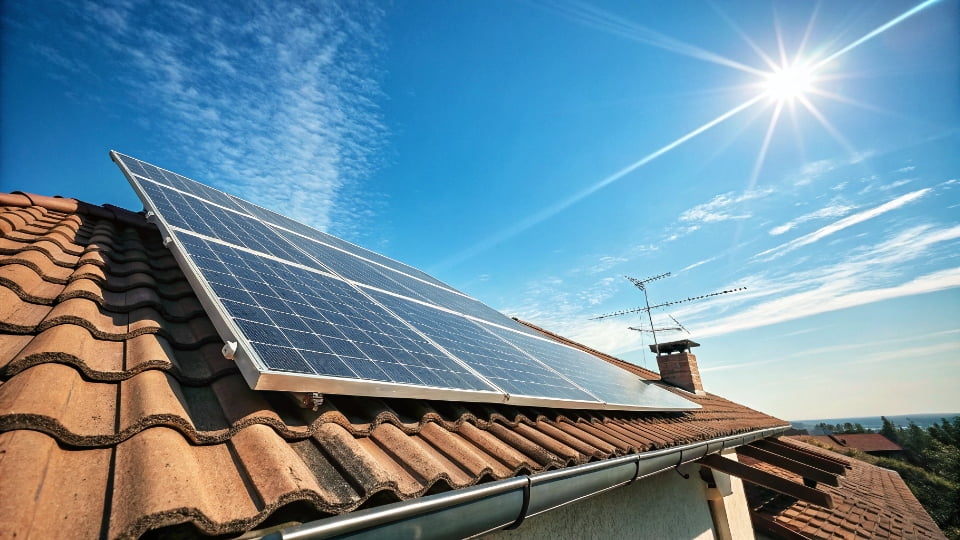
Solar panels actually work more efficiently in cold, sunny weather. The real challenge in cold climates is the battery. Standard lithium batteries struggle below freezing, and special, expensive low-temperature batteries may be needed to keep the system running [1].
This is a common misconception, but it's one we deal with all the time in the solar lighting industry. Everyone worries about the panels, but it's the batteries that are sensitive to temperature. In very cold regions, we often can't use standard two-in-one lights where the lithium battery is inside the fixture [3]. The battery gets too cold and stops working. Instead, we have to use special designs. Sometimes this means using expensive low-temperature batteries [1]. Other times, we use gel batteries and bury them below the frost line where the ground temperature is more stable [4]. The panels themselves, however, love the cold.
Panels Love Cold, Batteries Hate It
It's strange but true: heat is the enemy of electronic efficiency. Solar panels are no exception.
- Panel Performance: On a bright, cold winter day, your panels will produce more power than on an equally bright, hot summer day. As a panel's temperature rises, its voltage drops, slightly reducing its power output. Cold temperatures prevent this, allowing the panel to operate at peak efficiency.
- The Battery Problem: Batteries are chemical devices. Cold temperatures slow down the chemical reactions inside, reducing their ability to provide power. For lithium batteries, charging below 0°C (32°F) can cause permanent damage. This is a major limitation for systems in cold climates [1]. My friend Bennett, the engineer, always stresses that protecting the battery from extreme cold is a top priority in system design. This is why some systems use buried gel batteries, which, despite being older technology, handle the cold better when protected by the earth [4].
Do solar panels work if covered in ice?
A winter storm is coming, and you're worried your panels will be useless under a blanket of snow and ice. Does this mean you'll have no power until it all melts?
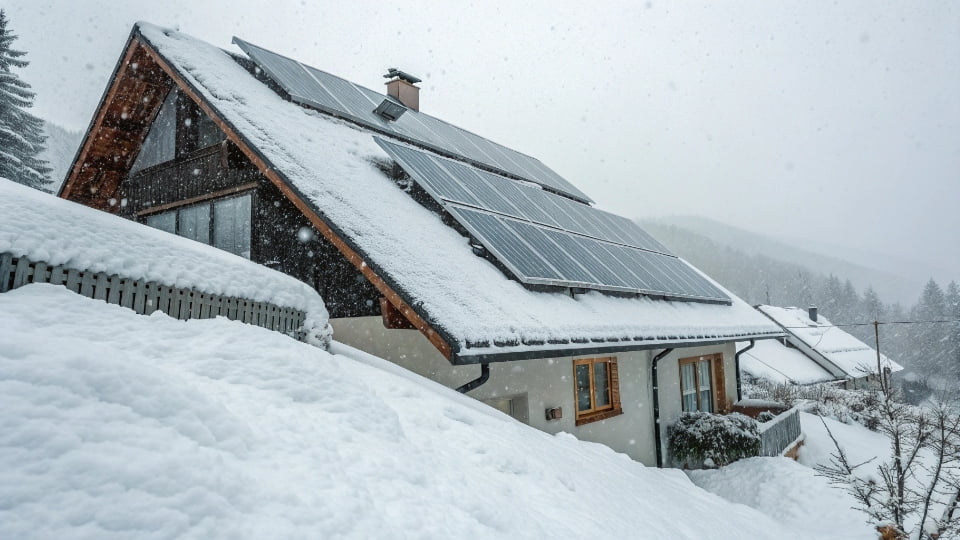
No, solar panels cannot produce power if they are covered by a significant layer of ice or snow. The opaque layer blocks sunlight from reaching the solar cells, effectively shutting the system down until the panels are clear again.
This is where planning for rainy (or snowy) days becomes critical. When we design a solar street light system, we must calculate how many days of backup power the battery needs to provide when the panel can't generate electricity [1]. A system designed for three cloudy or rainy days means the battery is large enough to power the light for three full nights without any sun [1]. This same principle applies to your home system. When a snowstorm hits, your system must rely entirely on the energy stored in its batteries.
Surviving the Snowpocalypse
A snow-covered panel is a panel that's temporarily offline. Here's what that means for your system and what you can do.
- No Light, No Power: It's that simple. If sunlight can't get through, your panels can't make electricity. A light dusting of dry snow might allow a tiny amount of power generation, but a thick layer of wet snow or ice is a complete blackout.
- Battery is Key: Your battery backup is your only source of power during this time. This is why correctly sizing your battery bank is just as important as how many panels you have. You need enough storage to get through periods of bad weather.
- Clearing the Snow: In many cases, the sun will melt the snow off. The dark surface of the panels absorbs heat, and because they are installed at a tilt, the snow will often slide off on its own. For heavy accumulations, you can use a long-handled, soft-headed snow rake to gently clear them. Never use hot water or a hard shovel, as you could damage the panels.
Conclusion
N-type panels are the future, but a successful solar project is about the whole system. Proper placement, battery choice for your climate, and correct sizing are what truly determine your savings. Don’t let the technical jargon scare you—focus on the fundamentals of system design, and your solar investment will pay off for decades to come.