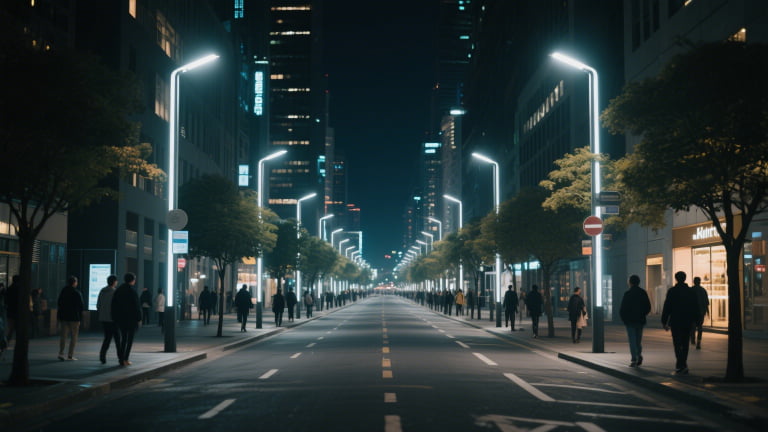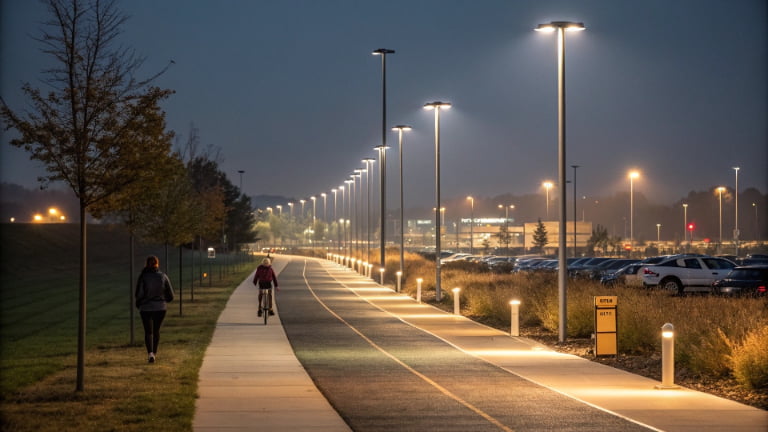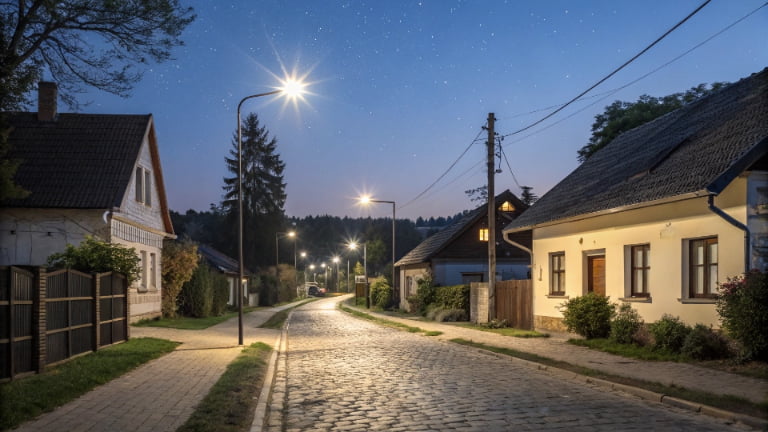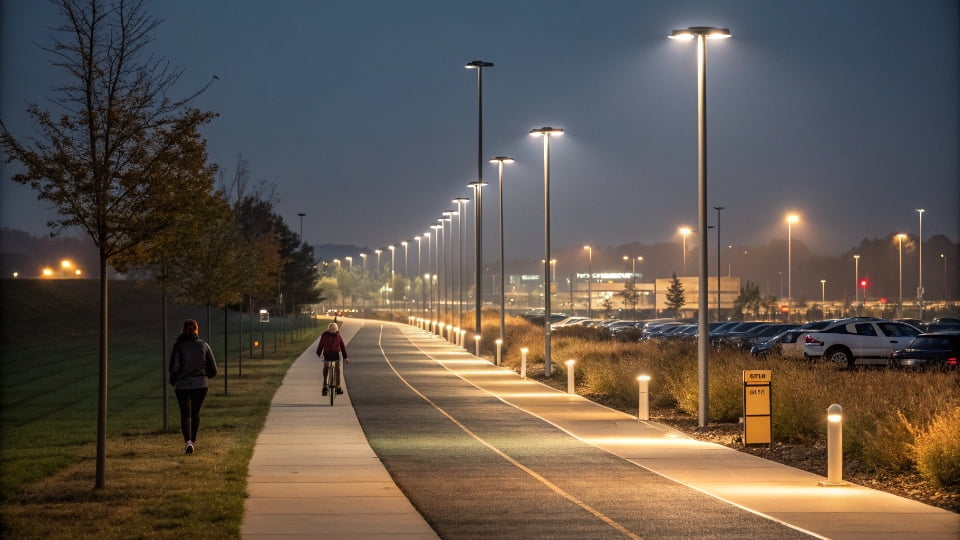
Your community needs reliable lighting for safety and economic growth, but the national grid is unstable or doesn't reach you. Extending power lines is incredibly expensive and years away, leaving your streets in the dark.
Solar street lights are a complete, off-grid solution. They provide reliable lighting without relying on an unstable power grid, have almost no running costs, can be installed anywhere, and help nations meet their climate goals.
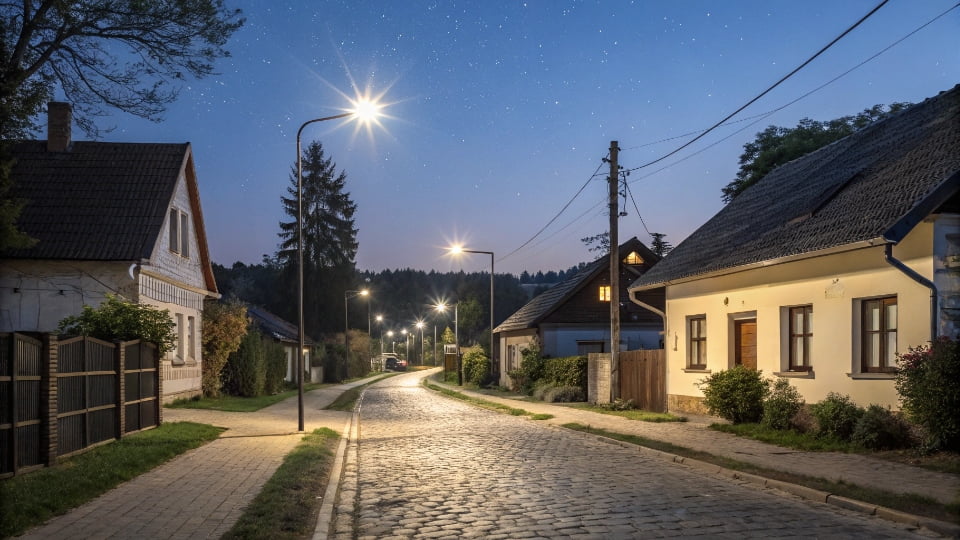
I've had the privilege of working with municipal leaders and project managers from all over the world. A common story I hear is the daily struggle with an unreliable power grid. For them, a streetlight that doesn't turn on isn't an inconvenience; it's a barrier to progress. When we design a solar lighting system for them, we aren't just selling a product. We are delivering energy independence, street by street. It's a powerful transformation to witness.
How Does the Grid-Independence of Solar Street Lights Solve Power Access Challenges in Developing Nations?
Your country's power grid suffers from frequent blackouts or "load shedding," and vast rural areas have no grid access at all. You need a lighting solution that works reliably, every single night, regardless of the national infrastructure.
Because each solar streetlight is its own self-contained power plant, it is completely immune to grid failures. It generates, stores, and uses its own electricity, providing a level of reliability that a centralized grid simply cannot match.
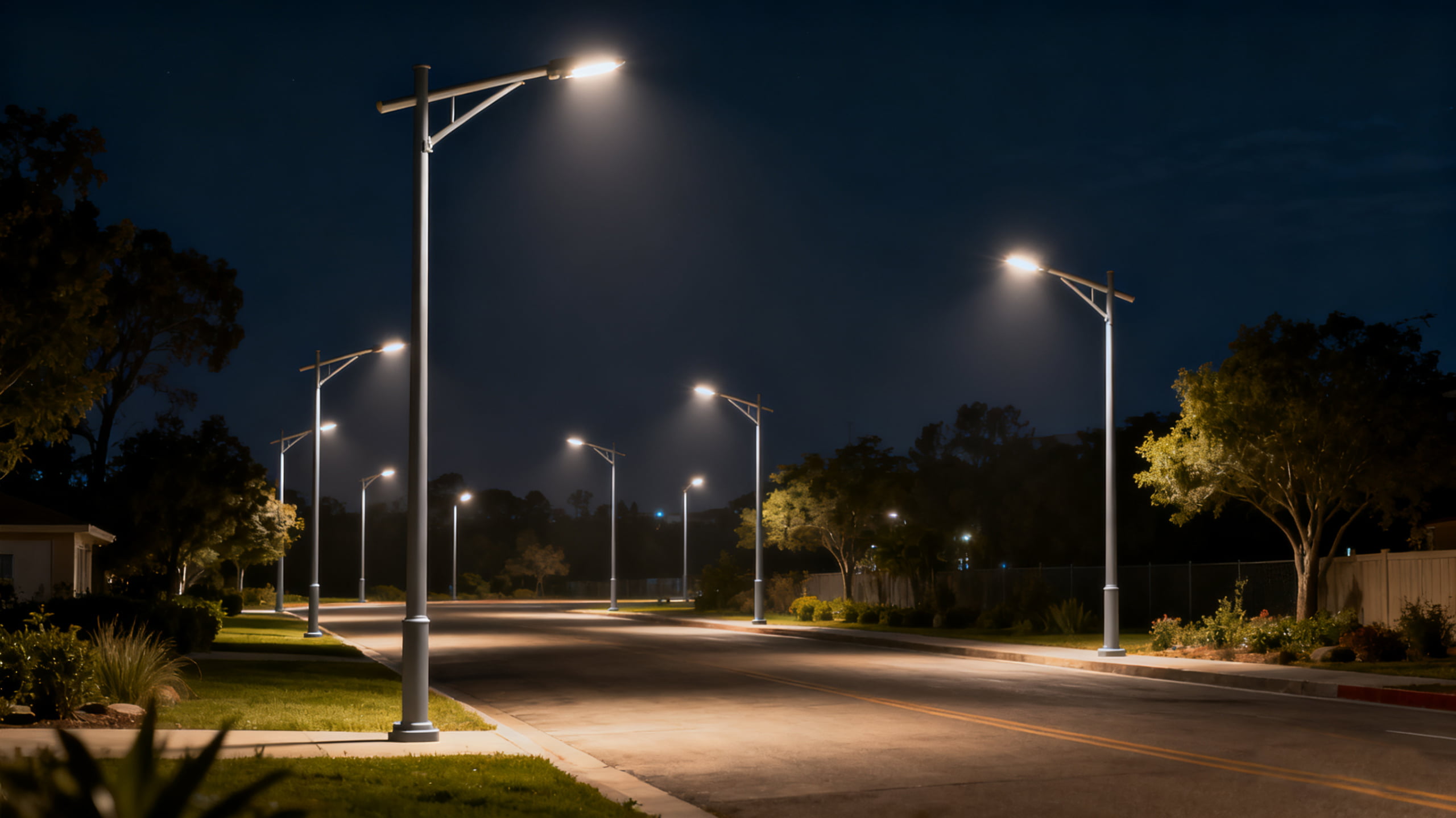
The core challenge for many developing nations is the immense cost and time required to build out a stable, nationwide power grid. It can take decades and billions of dollars. Solar streetlights allow communities to leapfrog this entire challenge. They offer a decentralized solution where infrastructure is built exactly where it's needed, immediately. There is no need to wait for a power plant to be built or for hundreds of miles of cable to be laid.
Think about the practical impact. When the grid goes down in a city, areas with solar lights stay lit, maintaining a pocket of safety and security. In a remote village with no grid, a solar light at a market or a clinic isn't just a light; it's the only light. This independence builds resilience and allows for development to happen now, not in a distant future.
Why Do the Low Maintenance Costs of Solar Street Lights Appeal to Budget-Limited Developing Nations?
Your government has a very tight budget for public works. While you might secure funds for the initial purchase of streetlights, you are worried about the long-term, unpredictable costs of electricity bills and frequent repairs.
Solar street lights have virtually no operational costs. There are no monthly electricity bills to pay. Their simple design with durable components means maintenance is minimal and predictable, making them easy to manage on a tight budget.

When I consult with clients, we always discuss the Total Cost of Ownership (TCO). A traditional, grid-tied light might seem cheaper to buy, but its TCO is a financial trap. You have an electricity bill every month, forever. You have bulbs and ballasts that need regular replacement by skilled technicians. And you have the costs associated with repairing damage to the grid itself. These are unpredictable, recurring expenses.
Solar streetlights change this financial model completely. The main cost is the upfront purchase. After that, the "fuel" from the sun is free. The only significant maintenance is cleaning the panels a few times a year and replacing the battery pack every five to seven years. This is a predictable, manageable expense.
| Cost Factor | Grid-Tied Streetlight | Solar Streetlight |
|---|---|---|
| Initial Cost (CAPEX) | Lower | Higher |
| Electricity Bill (OPEX) | Continuous & Unpredictable | Zero |
| Routine Maintenance | Frequent (Bulbs, Ballasts) | Infrequent (Battery) |
| Financial Predictability | Poor | Excellent |
For a ministry with a fixed annual budget, knowing your costs with this level of certainty is a game-changer.
In What Ways Does Solar Street Lights’ Adaptability Support Remote Area Development in Developing Nations?
You need to bring light to a remote village, a rural health clinic, or a farm-to-market road. The terrain is difficult, and there is absolutely no infrastructure for miles around.
Solar streetlights are the ultimate adaptable infrastructure. They require no trenching, no cabling, and no connection to a grid. This allows them to be installed rapidly in any location, no matter how remote or geographically challenging.

A traditional lighting project is a major civil engineering task. It involves heavy machinery to dig trenches for electrical conduits, crews to lay miles of cable, and coordination with the national power utility. This process is slow, expensive, and often impossible in mountainous or remote regions.
A solar streetlight project is fundamentally different. It's a logistics operation. The components—pole, fixture, panel, and battery—can be transported by truck to almost any location. Installation is simple: dig a hole, set the pole, and connect the components. A small, locally-trained team can install multiple lights in a single day. This speed and simplicity mean that the benefits of lighting—improved safety for women and children, longer business hours for markets, and safe passage for medical personnel—can be delivered to the most isolated communities in a matter of weeks, not years.
How Do Solar Street Lights Align with Developing Nations’ Goals to Cut Carbon Emissions and Boost Sustainability?
Your country is committed to sustainable development and meeting international climate goals. You need infrastructure solutions that support economic growth without increasing reliance on polluting and expensive fossil fuels.
Solar streetlights run on 100% clean, renewable energy. Each light is a visible symbol of a country's commitment to sustainability, helping it reduce its carbon footprint, attract international green financing, and build a more resilient energy future.
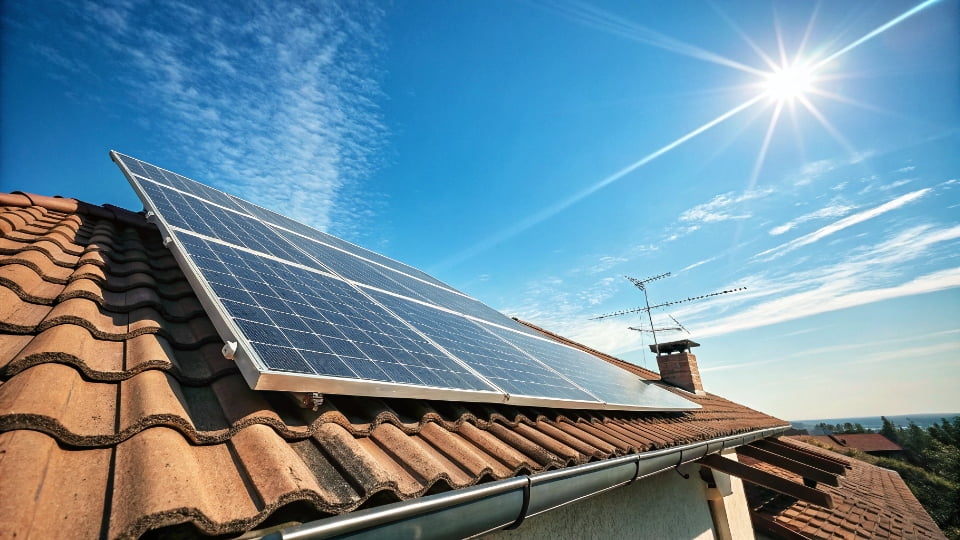
Many developing nations are the most vulnerable to the impacts of climate change. At the same time, their energy demand is growing rapidly. Solar streetlights offer a way to break the old link between development and pollution. Instead of building more fossil fuel power plants to light their streets, they can deploy thousands of small, zero-emission power generators.
This commitment to green technology has practical benefits beyond just environmental stewardship. International development banks and climate funds, like the World Bank and the Green Climate Fund, actively seek to finance sustainable infrastructure projects. A well-planned national solar lighting program is exactly the kind of initiative they support. It allows nations to leverage international funding to achieve their development goals. It's a clear win-win, providing essential public services while building a cleaner, more sustainable future.
Conclusion
Solar streetlights offer developing nations a powerful tool for progress. They are a reliable, affordable, and sustainable solution that provides the foundation for safer, more prosperous communities, independent of the grid.